You are standing in the coffee aisle with a bag of whole beans in one hand and a pre-ground tub in the other, wondering if buying a grinder is really worth it. It is one of the most common questions in home coffee, and the honest answer is: it depends, but probably yes.
This guide breaks down whole bean versus pre-ground coffee in plain terms, so you can decide whether a grinder belongs in your kitchen. For most people chasing better coffee at home, it is the single most impactful upgrade available.
The core difference: freshness
The moment coffee is ground, it starts losing its aromatics. Grinding exposes far more surface area to air, and much of the aroma and flavor fades within 15 to 30 minutes.
Whole beans protect those aromatics inside their shell until you need them. That is why a fresh-ground cup smells and tastes so much livelier than one made from grounds that have been sitting in a tub for weeks.
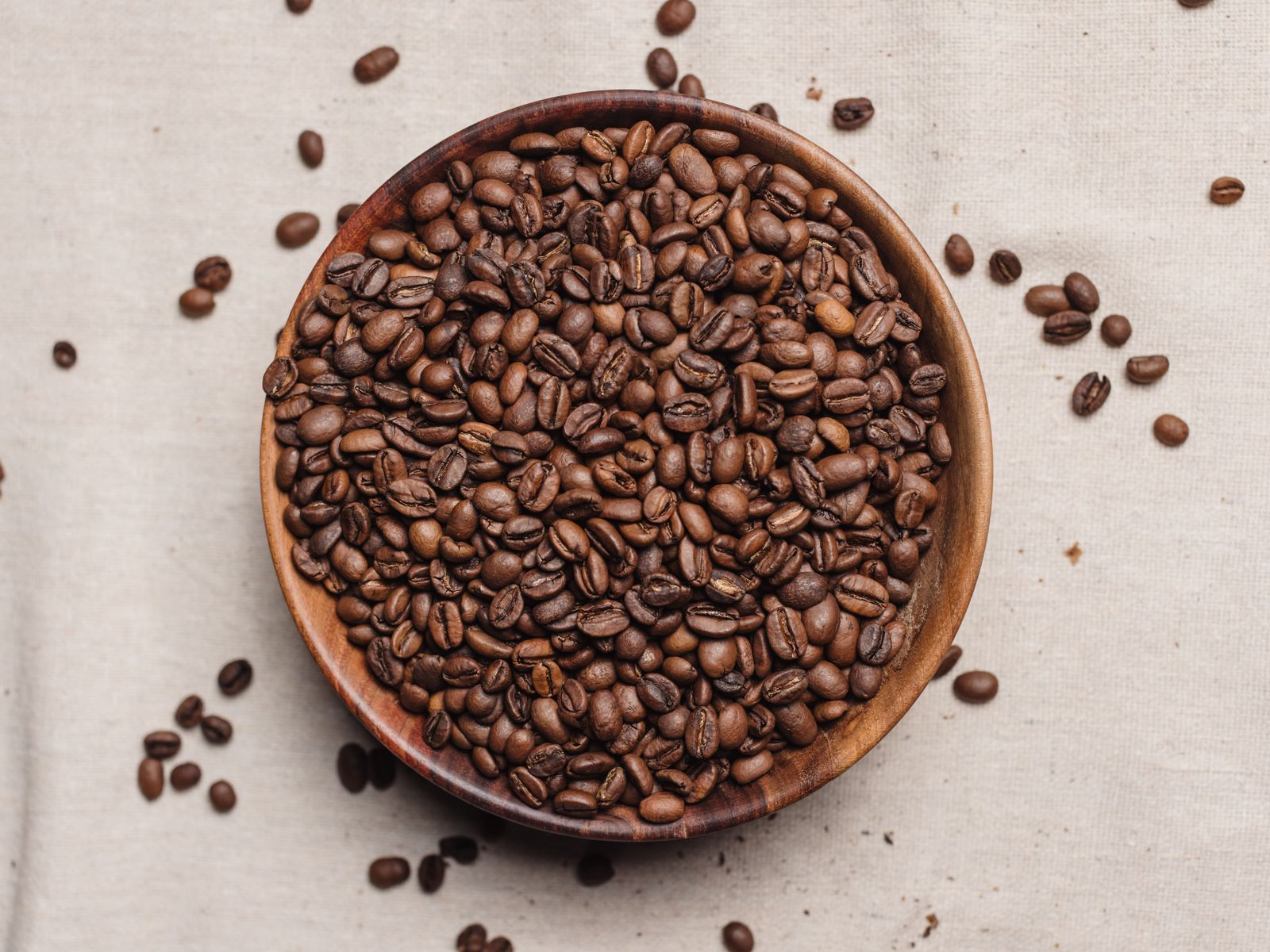
Why pre-ground goes flat
Pre-ground coffee is often ground weeks or months before you open it, and the clock has been ticking the whole time. Even a great roaster’s beans lose their spark once ground and stored, which is why pre-ground so often tastes dull.
Consistency: grind quality matters too
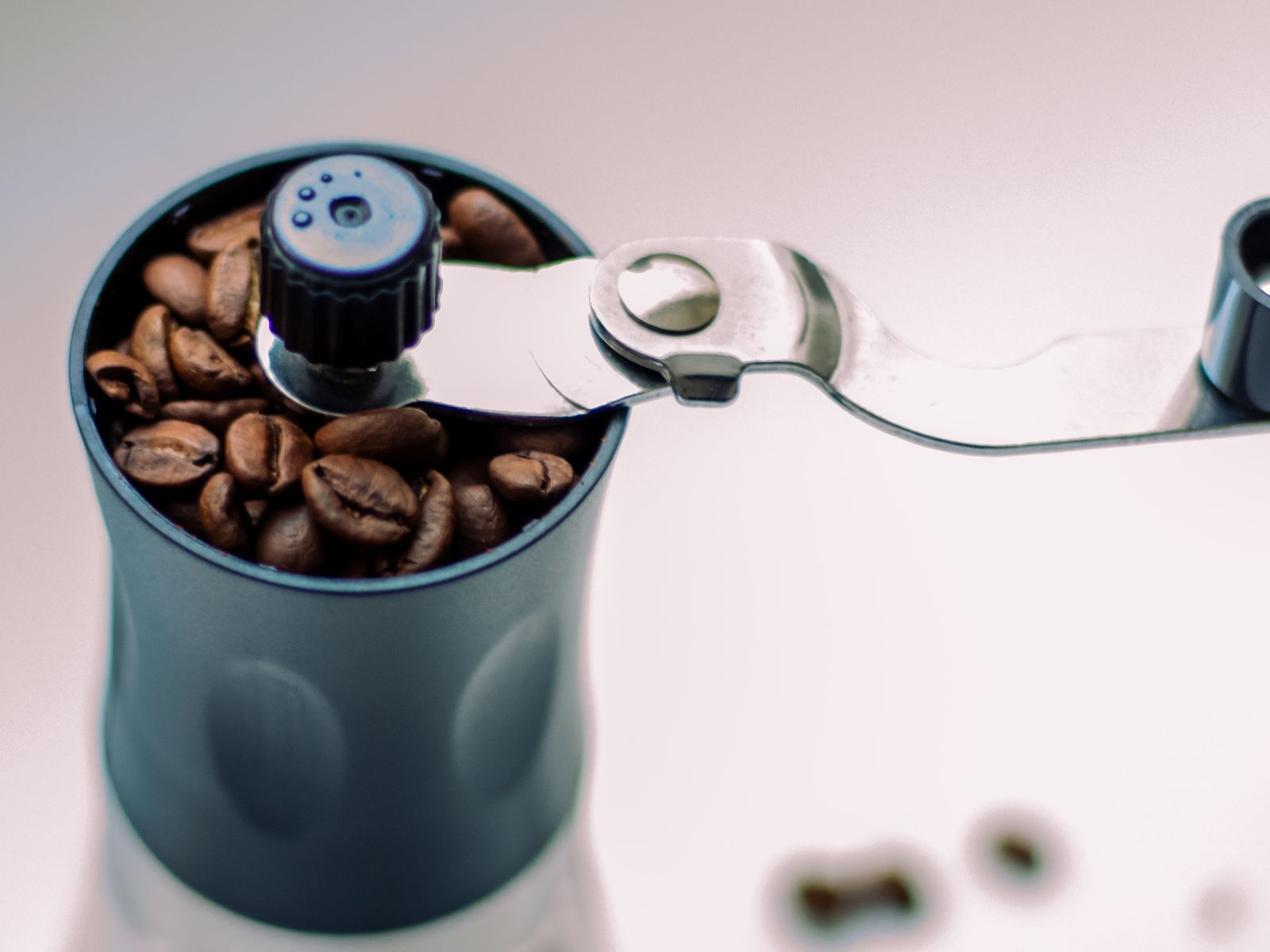
Freshness is only half the story. Grinding at home with a burr grinder gives you a consistent particle size, which is essential for even extraction.
Pre-ground coffee is usually a one-size-fits-all medium grind that is not optimized for your specific brewer. Being able to match your grind size to your method is a real advantage that only home grinding provides.
Blade-ground and pre-ground coffee both suffer from uneven particles, which means part of the coffee over-extracts into bitterness while another part under-extracts into sourness. A burr grinder solves this at the source, giving you a cleaner, sweeter cup from the same beans.
When pre-ground makes sense
Pre-ground is not evil, and sometimes it is the right call. If you are short on time, traveling light, or simply not ready to invest, a fresh bag of pre-ground from a good roaster still beats stale beans you grind poorly.
It also works if you only ever use one brew method and buy small bags you finish quickly. The key is buying pre-ground in small amounts and using it fast, since it will not keep. Look for a recent roast date even on pre-ground bags, and store them airtight to slow the inevitable fade as much as possible.
What a grinder actually costs
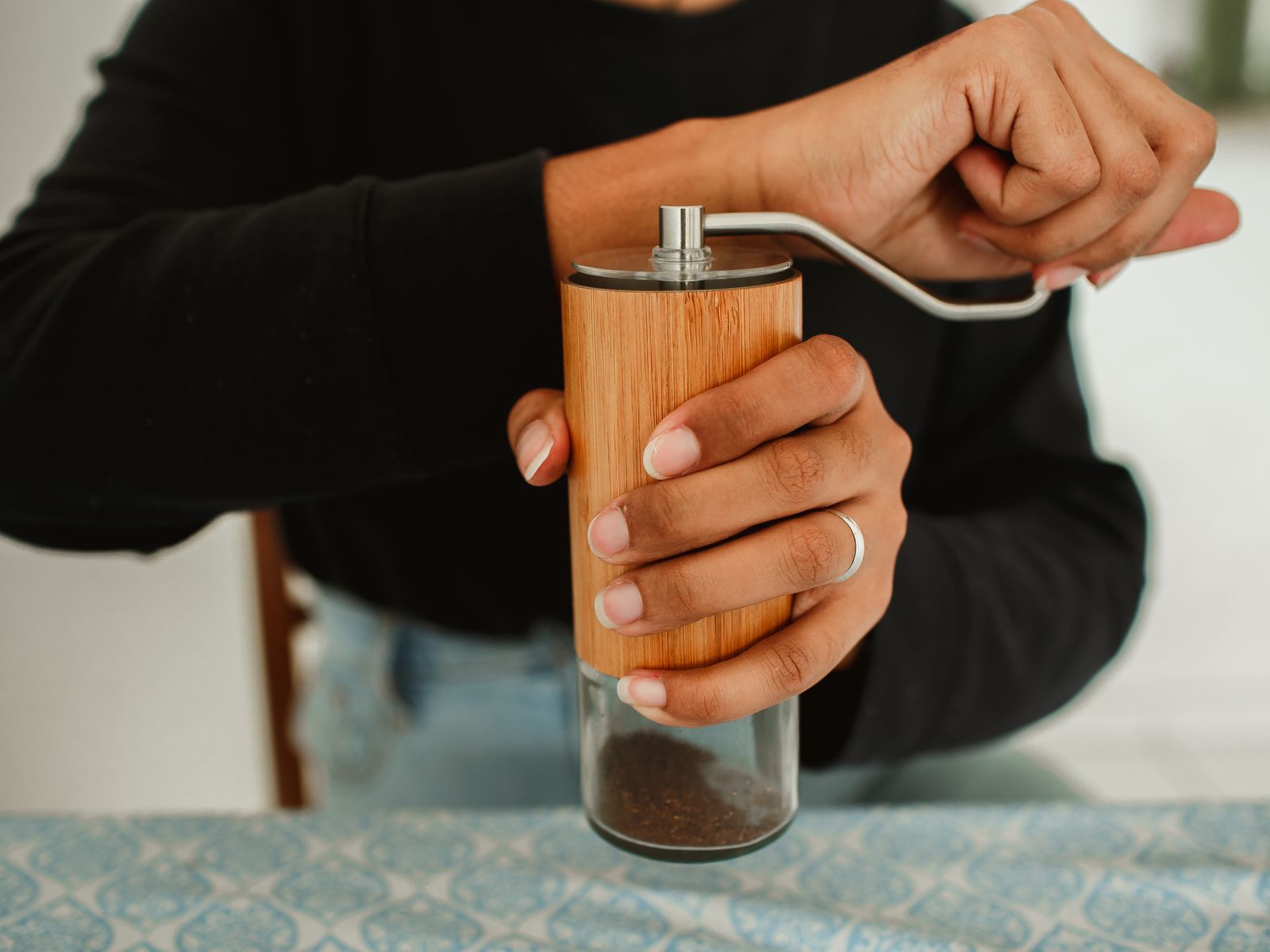
The barrier is lower than most people expect. A manual burr grinder runs about $30 to $40 and delivers excellent, even grounds if you do not mind a minute of hand-cranking.
Entry-level electric burr grinders start around $50 to $100 and add convenience for daily or batch brewing. Either way, a grinder shows up on nearly every list of best coffee gear for beginners for good reason.
Whole bean vs pre-ground: the quick verdict
Here is a simple way to decide which side you land on.
- Choose whole bean if: you want the best flavor, brew regularly, and can spend $30 or more on a grinder.
- Choose whole bean if: you use more than one brew method and want to match grind to each.
- Pre-ground is fine if: you are just starting out, buy small bags, and finish them within a week or two.
- Pre-ground is fine if: you value speed and simplicity over squeezing out maximum flavor.
Is a grinder worth it? The bottom line
For anyone who drinks coffee daily and cares how it tastes, a grinder pays for itself in flavor within weeks. The jump from stale pre-ground to fresh-ground is often bigger than the jump to a fancier brewer.
According to the National Coffee Association, grinding just before brewing is one of the most reliable ways to protect coffee’s flavor. That makes a grinder one of the highest-value purchases in home coffee.
Does grinding at home save money?
Whole beans and pre-ground often cost about the same per bag, so the savings are indirect but real. Because fresh-ground coffee tastes better, you are less likely to abandon a bag half-finished or reach for expensive café drinks instead.
There is also less waste. When every cup tastes good, you brew with confidence instead of pouring disappointing pots down the drain. Over a year, a modest grinder easily earns back its price in coffee you actually enjoy and finish.
Storing whole beans the right way
Buying whole beans only pays off if you store them well. Keep them in an airtight, opaque container at room temperature, away from heat, light, and moisture.
Buy amounts you will finish within two to four weeks of the roast date, and grind only what you need for each brew. Treated this way, whole beans stay fresh and aromatic far longer than any tub of pre-ground ever could.
Manual or electric grinder?
If you decide a grinder is worth it, the next question is manual or electric. A manual burr grinder is affordable, quiet, and travel-friendly, but it takes a minute or two of cranking, which can feel like a lot when brewing for several people.
An electric burr grinder is faster and easier for daily or batch brewing, though good ones cost more. For a single drinker on a budget, manual is the sweet spot; for a busy household, saving up for a solid electric model is usually the smarter long-term choice.
The taste test that settles it
The most convincing argument is not a chart, it is a cup. Buy one bag of good whole beans, grind a portion fresh for tomorrow’s brew, and compare it directly against your usual pre-ground made the same way.
Most people notice more aroma, more sweetness, and a cleaner finish immediately. Once you taste that difference across a few mornings, the question of whether a grinder is worth it usually answers itself, and there is rarely any going back.
A middle-ground option
If you are truly not ready for a grinder, there is a compromise worth knowing. Some coffee shops and grocery stores will grind whole beans for you at the register, matched to your brew method.
It is not as fresh as grinding at home each morning, but it is fresher than a mass-produced tub and lets you buy better beans in the meantime. Use it as a stepping stone while you decide, then upgrade to home grinding when you are ready.
Common myths about grinding
A few myths keep people from buying a grinder, and they are worth clearing up. One is that any grinder will do, when in fact cheap blade grinders chop unevenly and can even scorch the beans with heat and friction. A burr grinder is what actually delivers the benefits.
Another myth is that grinding is slow and messy. A decent manual grinder takes about a minute and contains the grounds neatly, while a good electric one takes seconds. Once it becomes part of your routine, the extra step is barely noticeable and the payoff in flavor is constant.
Your next step
If you already drink coffee every morning, buy a manual burr grinder and a bag of fresh whole beans this week, then taste the two side by side against your usual pre-ground. The difference tends to settle the debate instantly.
Start with a coarse or medium grind to match your brewer, adjust to taste, and enjoy noticeably fresher coffee from your very first cup. For most daily coffee drinkers, that first fresh-ground brew is the moment the whole debate quietly ends.

Maria Peixoto writes about making great coffee at home — no expensive machines, no barista jargon, just better cups every morning. Based in Portland, Oregon.