You have decided a grinder is worth it, but now you face a cheap spinning gadget for $20 and a burr grinder for two or three times the price. That gap is exactly where most beginners get stuck, so let us settle the burr vs blade grinder question once and for all.
This guide explains how each type works, how they affect your coffee, and which one you should actually buy. If you have already weighed whole bean vs pre-ground coffee, this is the natural next decision.
How blade grinders work
A blade grinder uses a single spinning blade, much like a tiny propeller, to chop beans inside a chamber. The longer you run it, the finer the result, and you control it by pulsing and shaking.
They are cheap, usually $15 to $25, and widely available. The problem is not the price but the way they chop, which brings us to their biggest weakness.
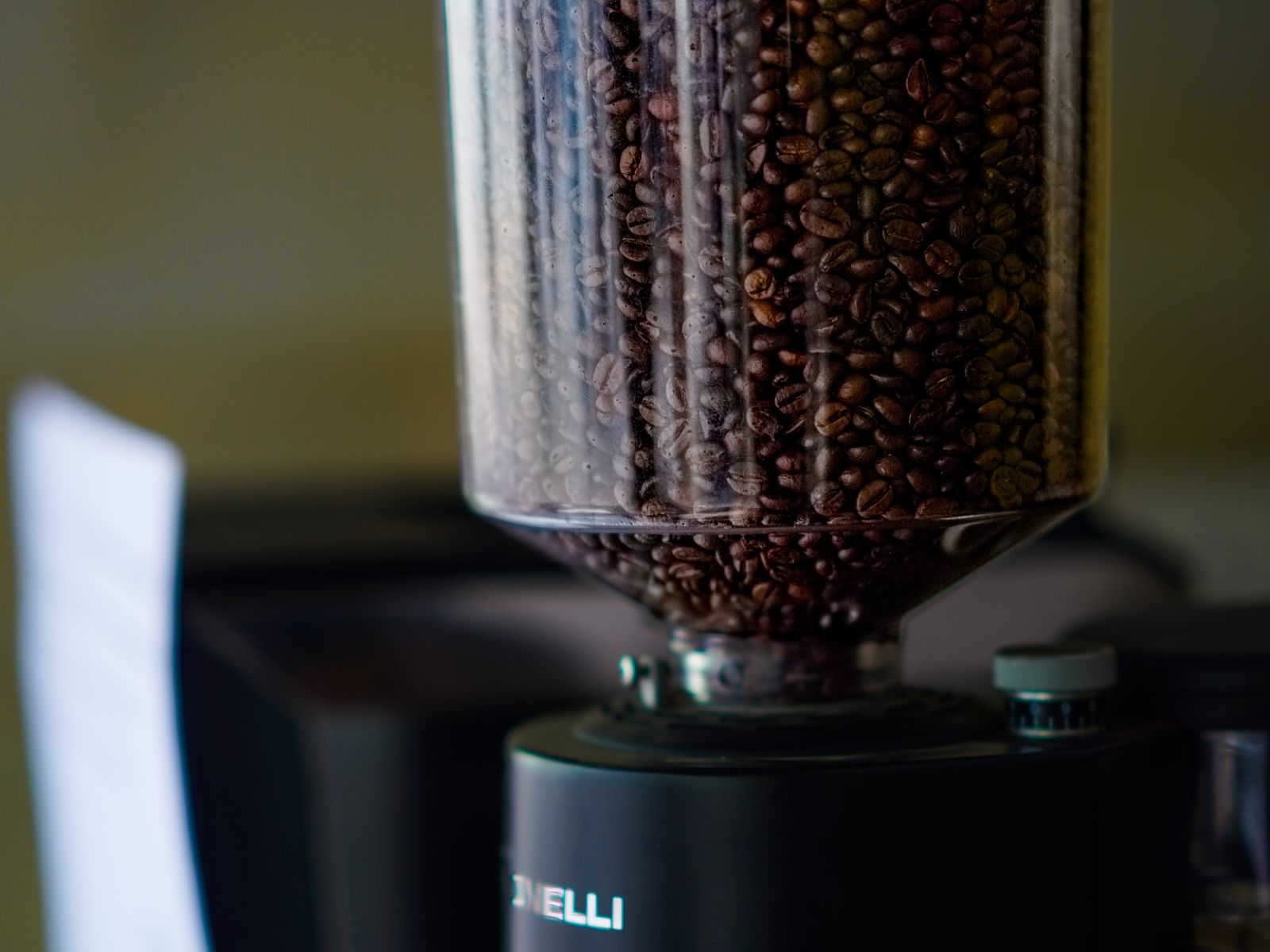
The uneven grind problem
Because a blade chops randomly, it produces a chaotic mix of fine dust and coarse chunks. That inconsistency means part of your coffee over-extracts into bitterness while another part under-extracts into sourness, muddying every cup.
The fine dust, sometimes called fines, is especially troublesome. It clogs filters, slows drainage in pour-over, and adds harsh, bitter notes. No amount of careful brewing can fully undo an uneven grind, which is why the grinder matters so much.
How burr grinders work
A burr grinder crushes beans between two abrasive surfaces, called burrs, set a fixed distance apart. Every particle passes through the same gap, so the grounds come out remarkably uniform.
That uniformity is the whole point. Even extraction gives you a sweeter, cleaner, more balanced cup, and it lets you dial in a repeatable grind size for each brew method.
Burr grinders also come in two shapes, flat and conical, but for a beginner the difference is minor. What matters far more is simply choosing burrs over blades, since that single choice delivers the bulk of the improvement you will taste.
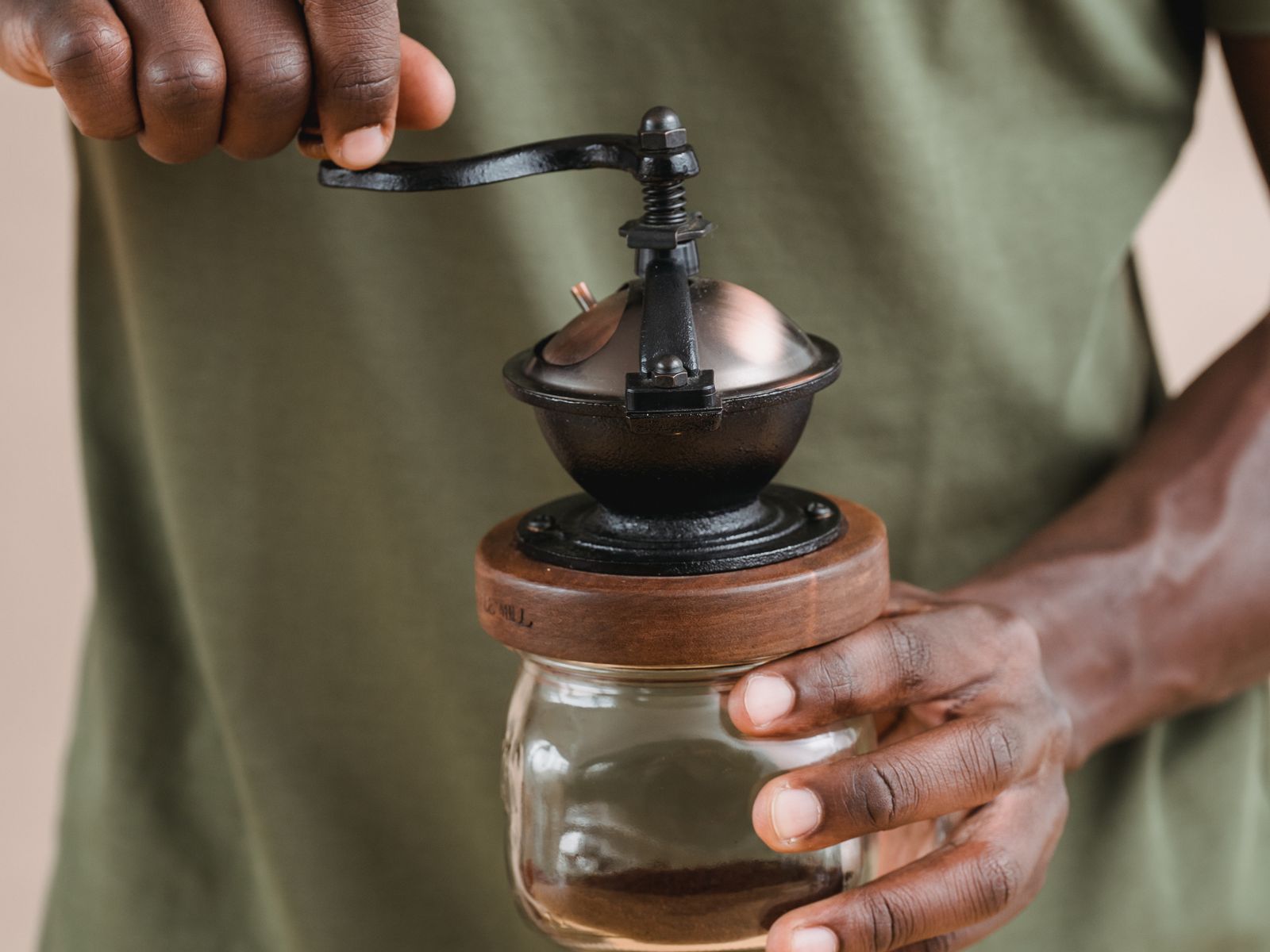
Burr vs blade: the key differences
Here is how the two stack up on the things that actually matter in the cup.
- Consistency: burr wins easily, producing uniform grounds; blade gives dust and boulders.
- Flavor: burr grinders yield a sweeter, cleaner cup; blade grinders often taste muddy.
- Grind control: burrs offer precise, repeatable settings; blades rely on guesswork and timing.
- Price: blades are cheaper up front, but manual burrs start at just $30 to $40.
- Noise and heat: blades run hot and loud; burrs, especially manual ones, are gentler on the beans.
Which one should you buy?
For almost everyone, the answer is a burr grinder. The consistency it brings improves your coffee more than nearly any other single upgrade, and a manual burr grinder costs about the same as a decent blade model anyway.
A blade grinder only makes sense as a stopgap, or if you also grind spices and want a cheap dedicated tool. For coffee alone, skip straight to a burr and you will not look back.
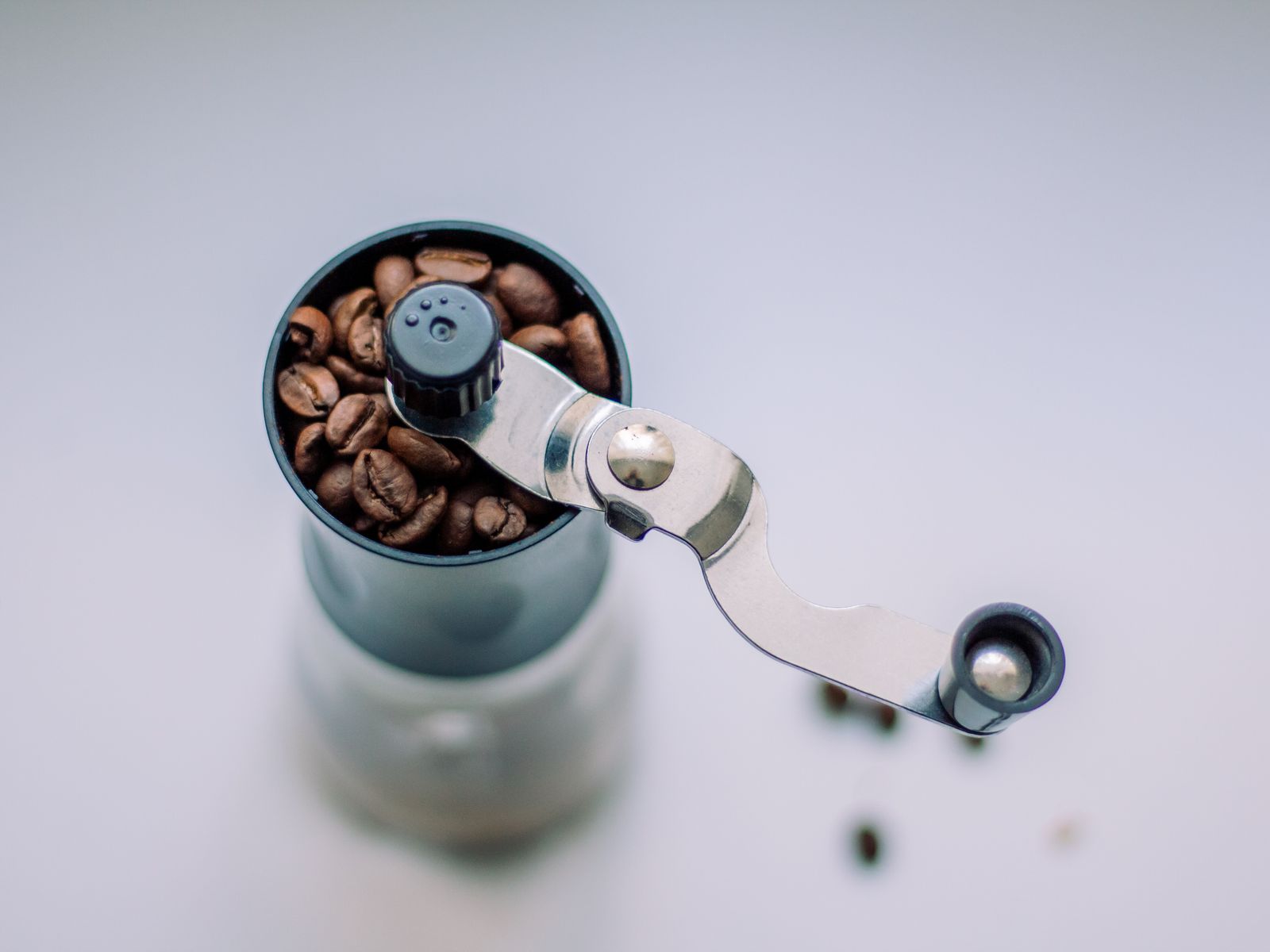
Manual or electric burr grinder?
Once you commit to burrs, decide between manual and electric. A manual burr grinder is affordable and quiet, but takes a minute or two of hand-cranking per batch.
An electric burr grinder is faster and better for daily or large batches, starting around $50 to $100. For a single drinker on a budget, manual is the sweet spot and appears on many lists of best coffee gear for beginners.
Caring for your grinder
Whichever you choose, keep it clean. Old grounds and oils build up over time, go stale, and dull the flavor of fresh beans.
Brush out a burr grinder regularly and wipe a blade grinder’s chamber after use. A clean grinder keeps performing like new and protects the money you spent.
Why grind consistency changes the cup so much
It helps to understand why uniform grounds taste better. Coffee extracts flavor at a rate tied to particle size, so when your grounds are all the same size, they all extract at the same speed and finish together in balance.
With a blade grinder’s mix of sizes, the tiny fines are already bitter and over-extracted by the time the big chunks have barely given up any flavor. The cup you taste is an average of those extremes, which is why it lands muddy and dull instead of sweet and clear.
Common questions about grinders
A frequent question is whether an expensive burr grinder is necessary. It is not; an affordable manual burr grinder already delivers most of the consistency benefit, and you can upgrade later if you catch the coffee bug.
Another common question is whether a blade grinder can be improved with technique. Shaking it and pulsing in short bursts helps a little, but it cannot overcome the fundamental design. If flavor is your goal, your effort is better spent on a burr grinder than on tricks to rescue a blade.
What to look for when buying a burr grinder
Not all burr grinders are equal, so a few features are worth checking. Look for stainless steel or ceramic burrs, which stay sharp and grind cleanly, and enough grind settings to cover everything from coarse French press to fine espresso if you plan to expand.
For a manual grinder, a comfortable handle and a stable base make the daily crank far more pleasant. For an electric model, a removable hopper and burr set make cleaning simple. You do not need to spend a fortune, but these small details separate a grinder you enjoy from one you resent.
Matching the grinder to how you brew
Your brewing habits should guide your choice. If you make one or two cups a day with pour-over or French press, an inexpensive manual burr grinder is more than enough and keeps costs low.
If you brew large batches for a household, pull espresso, or simply hate waiting in the morning, an electric burr grinder earns its higher price in speed and convenience. There is no single right answer, only the grinder that fits your routine, and either burr option beats a blade every time.
The long-term value of a good grinder
A quality burr grinder is one of the few coffee purchases that keeps paying off for years. Burrs are durable, and even affordable models hold their settings and grind well long after a cheap blade grinder would have started to disappoint.
Because it improves every cup from every bag of beans you ever buy, a grinder quietly upgrades your entire coffee routine rather than just one drink or one method. Spread across thousands of cups, the cost per great cup is tiny, which makes it one of the smartest long-term buys in a home setup.
A quick word on espresso
If espresso is in your future, the grinder matters even more. Espresso demands a very fine, extremely consistent grind, and it is the one method where a blade grinder simply cannot work at all.
Entry-level burr grinders handle drip, pour-over, and French press beautifully, but true espresso usually needs a dedicated, finer-adjusting burr grinder. If you are not there yet, no problem; start with a versatile burr grinder for everyday brewing and upgrade only if espresso becomes a serious goal.
Your next step
If you are choosing your first grinder, buy a manual burr grinder this week rather than a blade model, and set it to match your brewer. Taste your usual coffee ground evenly for the first time.
According to the Specialty Coffee Association, consistent particle size is central to even extraction, which is exactly what burrs deliver and blades cannot. It is the clearest upgrade in home coffee, and one you will appreciate in every single cup from here on.

Maria Peixoto writes about making great coffee at home — no expensive machines, no barista jargon, just better cups every morning. Based in Portland, Oregon.