Walk into any kitchen store and it is easy to believe great coffee requires hundreds of dollars of gear. It does not. The best coffee gear for beginners costs less than a single fancy appliance, and it will improve your cup far more than any chrome espresso machine sitting unused on a counter.
The truth most beginners discover is that skill beats spending. A modest kit in practiced hands consistently outperforms premium gear used without the basics, and it leaves more money for the beans that actually carry the flavor.
This guide covers the essential coffee gear you can buy for under $50 total, plus a few affordable upgrades worth saving for. Every item here earns its place by making a real difference to better coffee at home.
Start with the two things that matter most
If you only buy two pieces of gear, make them a burr grinder and a kitchen scale. Together they fix the two most common causes of bad home coffee: uneven grind and inconsistent dosing.
A manual burr grinder runs about $30 to $40, and a basic digital scale costs $15 to $25. Even at the top of those ranges, you are transforming your coffee for well under $65, and you can buy them one at a time.
That order matters. If money is tight, buy the scale first because it costs the least and immediately makes your existing coffee more consistent. Add the grinder next, and you have covered the two variables that sabotage most home brewers.
Why the scale earns its spot
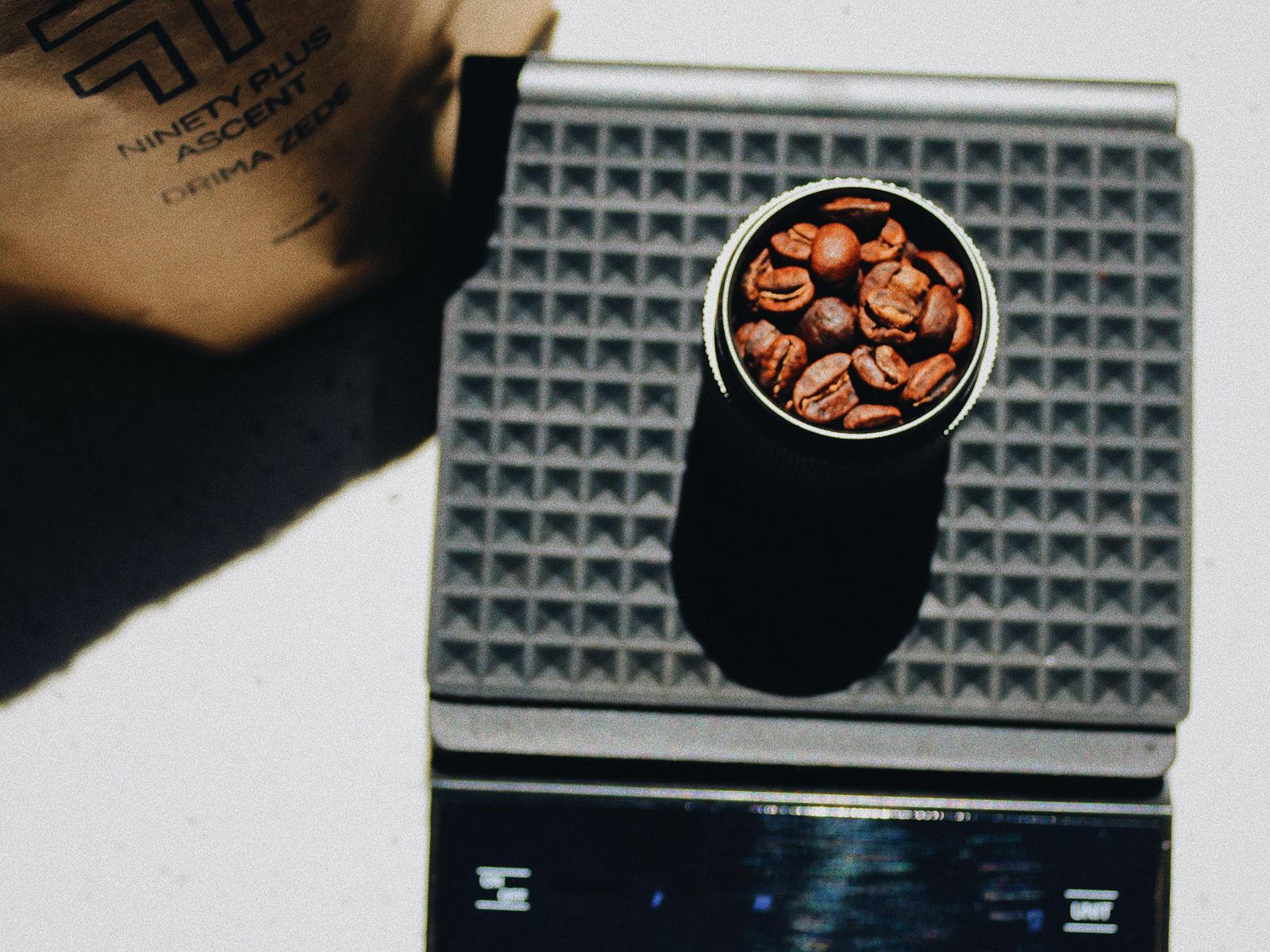
Scooping coffee by volume is wildly inconsistent, because beans vary in size and density. Weighing to a 1:16 ratio makes every cup repeatable, and a scale that reads to 0.1 grams is precise enough for anything at home.
A scale also stops waste. Instead of guessing and dumping a weak or bitter pot, you dial in a recipe once and repeat it. Over a few months, the coffee you no longer pour down the drain more than covers the cost of the scale itself.
Pick one affordable brewer
You do not need a shelf of devices. Choose a single brewer that matches your mornings, and learn it well before adding anything else.
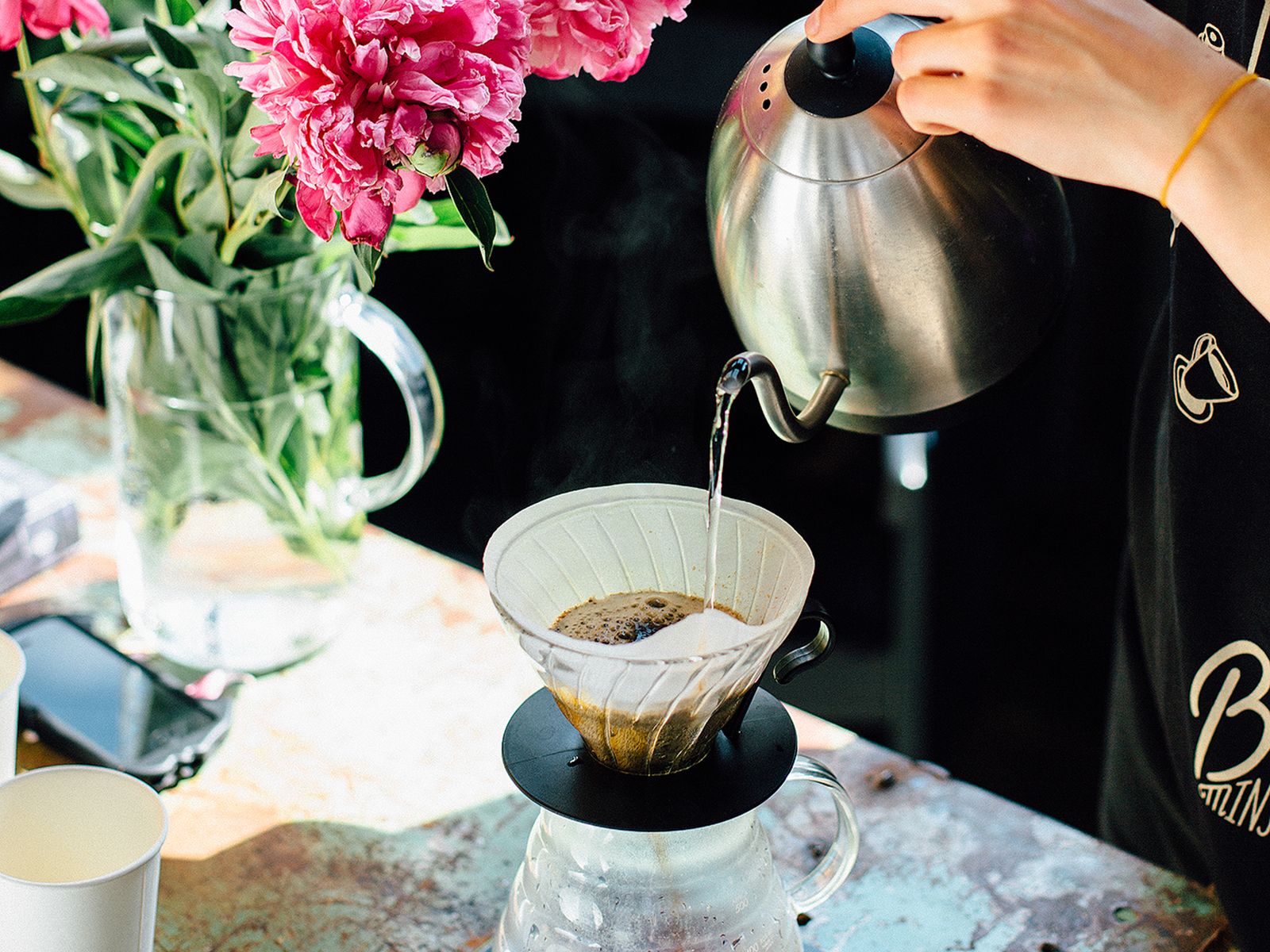
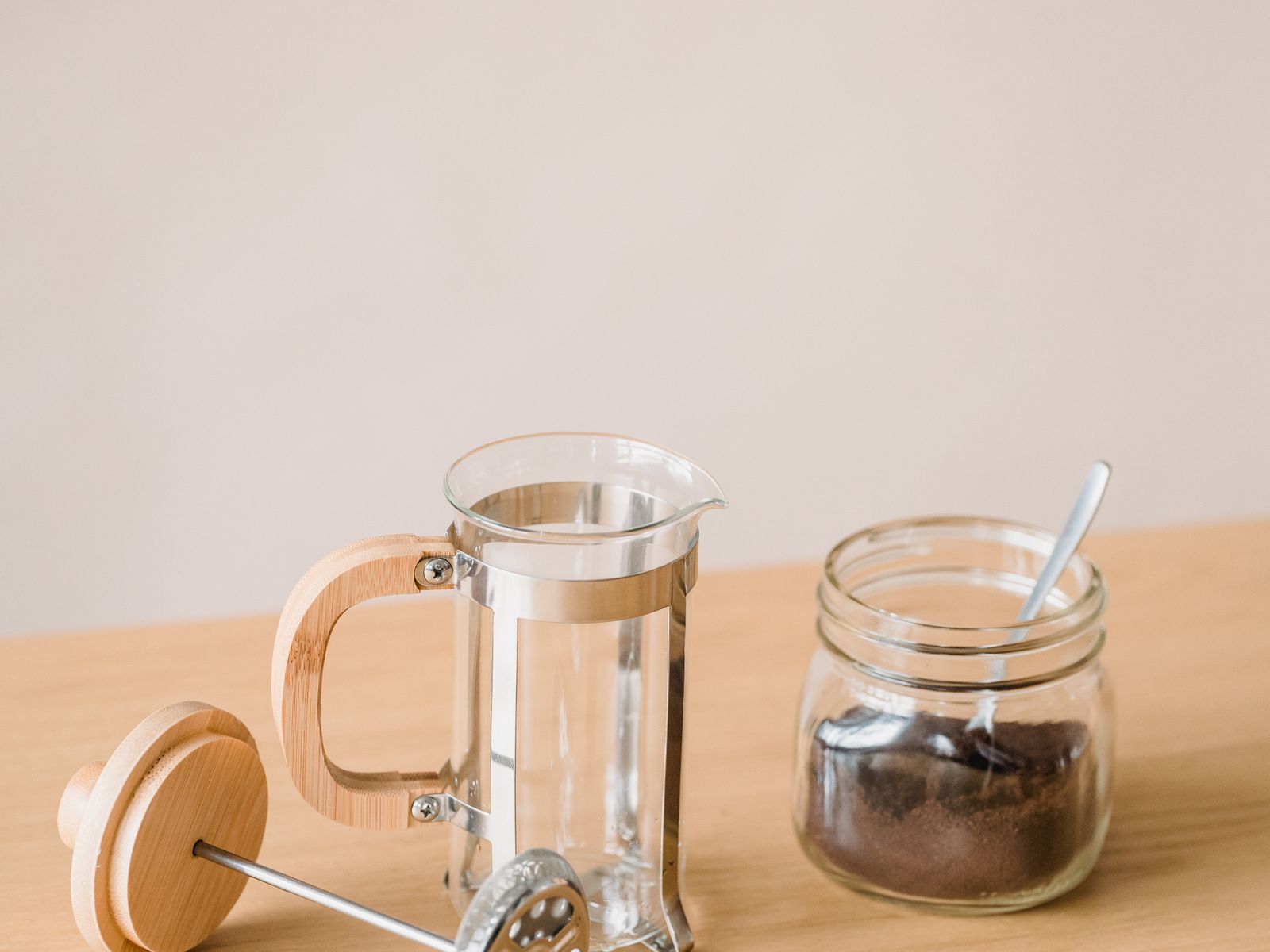
A French press costs $15 to $30, is nearly indestructible, and makes a rich, full-bodied cup. A plastic pour-over dripper costs as little as $8 to $15 and gives a cleaner, brighter result. An AeroPress, around $30 to $40, is forgiving, fast, and travels beautifully.
The best coffee gear under $50: a quick list
Here is a realistic starter kit, all of which can be assembled for around or under $50 if you shop carefully and add pieces over time.
- Digital kitchen scale: $15 to $25, the single best consistency upgrade.
- Manual burr grinder: $30 to $40, even grind without the electric price.
- French press or plastic pour-over dripper: $8 to $30, your core brewer.
- Reusable or paper filters: a few dollars, matched to your brewer.
- Airtight storage container: $10 to $15, keeps beans fresh longer.
Skip these until later
Some gear looks essential but is not, especially at the start. A dedicated gooseneck kettle improves pour control, but any kettle will get you brewing, so it can wait.
Likewise, hold off on espresso machines, milk frothers, and single-serve pod systems until you know how you actually drink coffee. Buying to your real habits beats buying to a fantasy of them.
Where a few extra dollars pay off
Once your basics are covered, a couple of modest upgrades give an outsized return. A variable-temperature or gooseneck kettle, roughly $30 to $50, makes pour-over noticeably easier and more consistent.
An upgraded burr grinder is the other worthwhile step, since grind quality touches every single cup. Choosing the right grind size for your brewer matters more once your grinder can hold that setting reliably.
Buying tips to stretch your budget
Shop for function, not looks. A plain plastic dripper often brews just as well as a pretty ceramic one at a fraction of the price, and plastic will not crack if you drop it.
Watch for bundle deals and secondhand finds, since sturdy items like French presses and manual grinders last for years. Spending less on gear leaves more in your budget for fresh, quality beans, which is where flavor really lives.
What about the beans?
Gear gets all the attention, but your beans deserve part of the budget too. Even the best equipment cannot rescue stale, months-old coffee, so leave room for a fresh bag with a recent roast date.
A good rule is to spend on gear once and on beans continuously. Buying whole beans in small amounts you will finish within a few weeks keeps every cup lively, and it pairs perfectly with the grinder you just bought.
How the pieces work together
The magic of this starter kit is not any single item, it is how they combine. The scale sets a precise dose, the grinder makes that dose extract evenly, and a simple brewer lets you control the rest. Remove any one and the others lose some of their value.
This is why a $50 kit built around fundamentals routinely beats a $300 machine used carelessly. The expensive machine automates steps you have not learned yet, while the simple kit teaches you the skills that make coffee taste good anywhere.
A realistic first-month plan
You do not have to buy everything at once, and you probably should not. Spreading purchases over a few weeks lets you learn each tool before adding the next, which makes every dollar count.
Try this pace: week one, add a scale and start weighing your coffee to a 1:16 ratio. Week two, add a simple brewer and commit to it. Week three, add a manual burr grinder and start grinding fresh. By the end of the month you will have a complete, budget setup and the skills to use it.
Manual versus electric on a budget
New brewers often wonder whether to buy a cheap electric grinder or a manual one. For under $50, a manual burr grinder almost always gives better, more even results than a budget electric model, because inexpensive electric grinders tend to use blades or low-quality burrs.
The trade-off is effort and time; a manual grinder takes a minute or two of hand-cranking each morning. If that is fine for you, it is the best-value grind quality you can get at this price. If you brew large batches for a household, saving up for a better electric burr grinder later may be worth it.
Caring for cheap gear so it lasts
Budget gear can last for years with a little care. Rinse your brewer after every use so old oils do not build up, and give everything a proper wash with dish soap every week or two.
For a manual grinder, brush out old grounds regularly and keep it dry. Simple maintenance keeps inexpensive tools performing like new and protects the money you spent, which is the whole point of a budget-minded setup.
Your next step
Start with a scale this week, add a manual burr grinder next, and pair them with one simple brewer like a French press or pour-over coffee dripper. That trio, all under $50 combined if you build it gradually, is enough to make genuinely great coffee.
Give it a month of daily use before you consider anything fancier. By then you will know exactly which upgrade, if any, would actually improve your routine, and you will spend your next dollars with real confidence instead of guesswork.
According to the National Coffee Association, the fundamentals of grind, ratio, and freshness drive quality far more than expensive equipment. Buy the basics, master them, and upgrade only when a real need appears. That patient, budget-first approach is exactly how most great home baristas got started.
Maria Peixoto writes about making great coffee at home — no expensive machines, no barista jargon, just better cups every morning. Based in Portland, Oregon.