By mid-July, the last thing you want is a scalding mug, and the $6 iced coffee habit adds up fast. Cold brew coffee fixes both problems: it is smooth, refreshing, and costs a fraction of café prices once you make it yourself.
This guide shows you exactly how to make cold brew coffee at home, why it tastes so mellow, and just how much money it quietly saves you every single week. It is one of the easiest wins in making better coffee at home, and it needs almost no special equipment.
What cold brew actually is
Cold brew is coffee steeped in cold or room-temperature water for many hours, usually 12 to 24. Because it never touches heat, it extracts differently than hot coffee.
The result is naturally sweet, low in acidity, and remarkably smooth. That mellow character is why so many people who find hot coffee harsh fall in love with cold brew.
The cold water also leaves behind many of the bitter compounds and oils that heat pulls out, which is exactly why cold brew is so forgiving. Even mediocre beans tend to taste better this way, making it a great method for beginners.
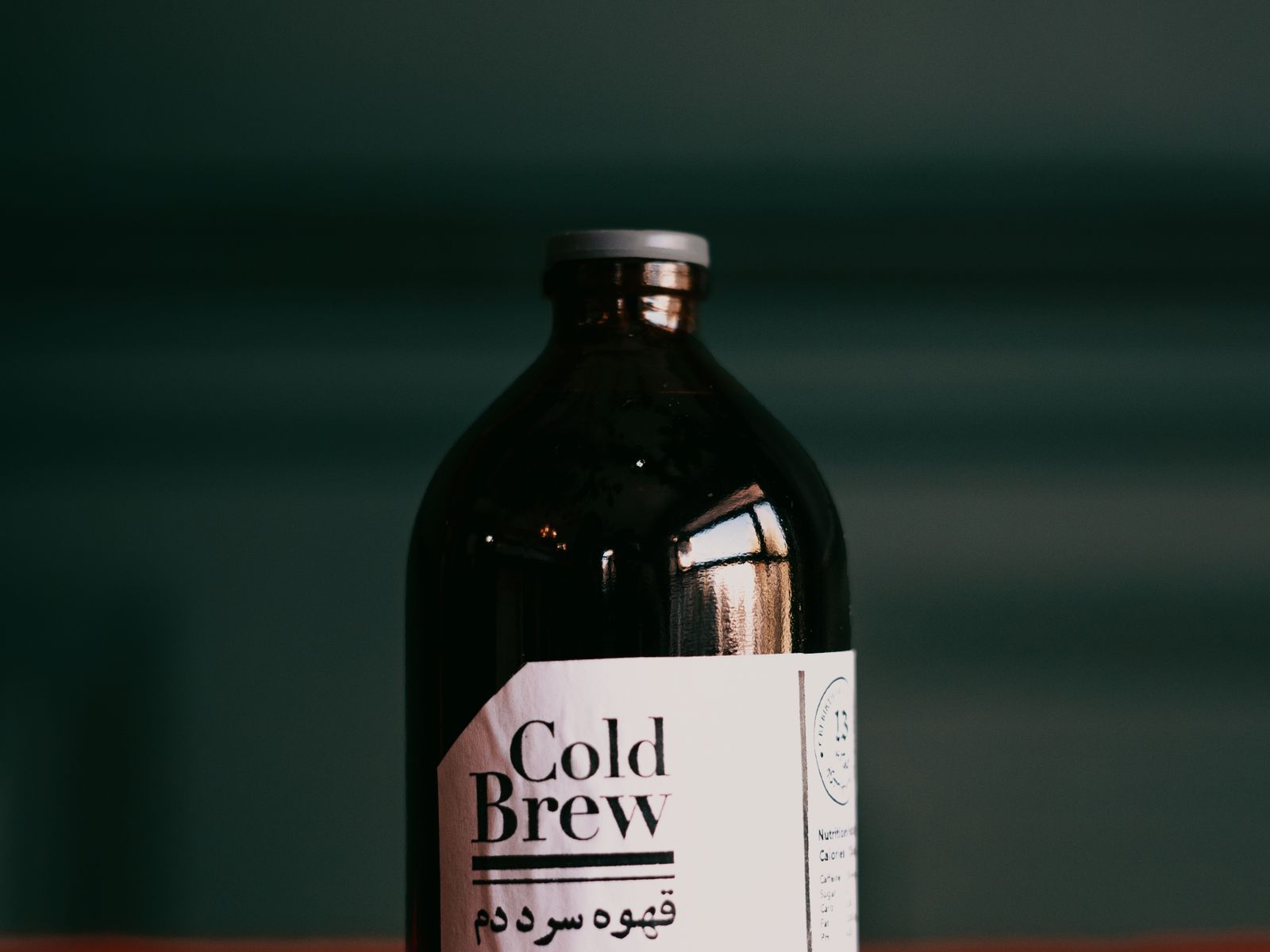
Cold brew versus iced coffee
Cold brew is not the same as iced coffee. Iced coffee is brewed hot and then cooled over ice, which keeps its bright, acidic edge. Cold brew is never heated, giving a rounder, less acidic cup.
What you need to make cold brew
The gear list is refreshingly short, and you probably own most of it already. You need coarsely ground coffee, cold water, a large jar or pitcher, and a way to strain, such as a fine mesh sieve with a paper filter or a French press.
Dedicated cold brew makers exist for $20 to $30, but they are optional. A simple mason jar works just as well for your first batch.
The one thing worth doing well is the straining. Grounds left in the concentrate keep extracting and turn the batch muddy, so plan to strain twice if needed, or line your sieve with a paper filter for a cleaner result.
The step-by-step cold brew method
Making cold brew is mostly waiting. Here is the full process from grounds to glass.
- Grind coarse. Use a coarse, peppercorn-sized grind so the long steep does not over-extract.
- Mix coffee and water. Combine at a 1:8 ratio for a concentrate, for example 100 grams of coffee to 800 grams of water.
- Stir and cover. Make sure all the grounds are saturated, then cover the jar.
- Steep 12 to 24 hours. Leave it on the counter or in the fridge; longer steeps taste stronger.
- Strain well. Pour through a fine filter to remove all the grounds, and your concentrate is ready.
How to serve your cold brew
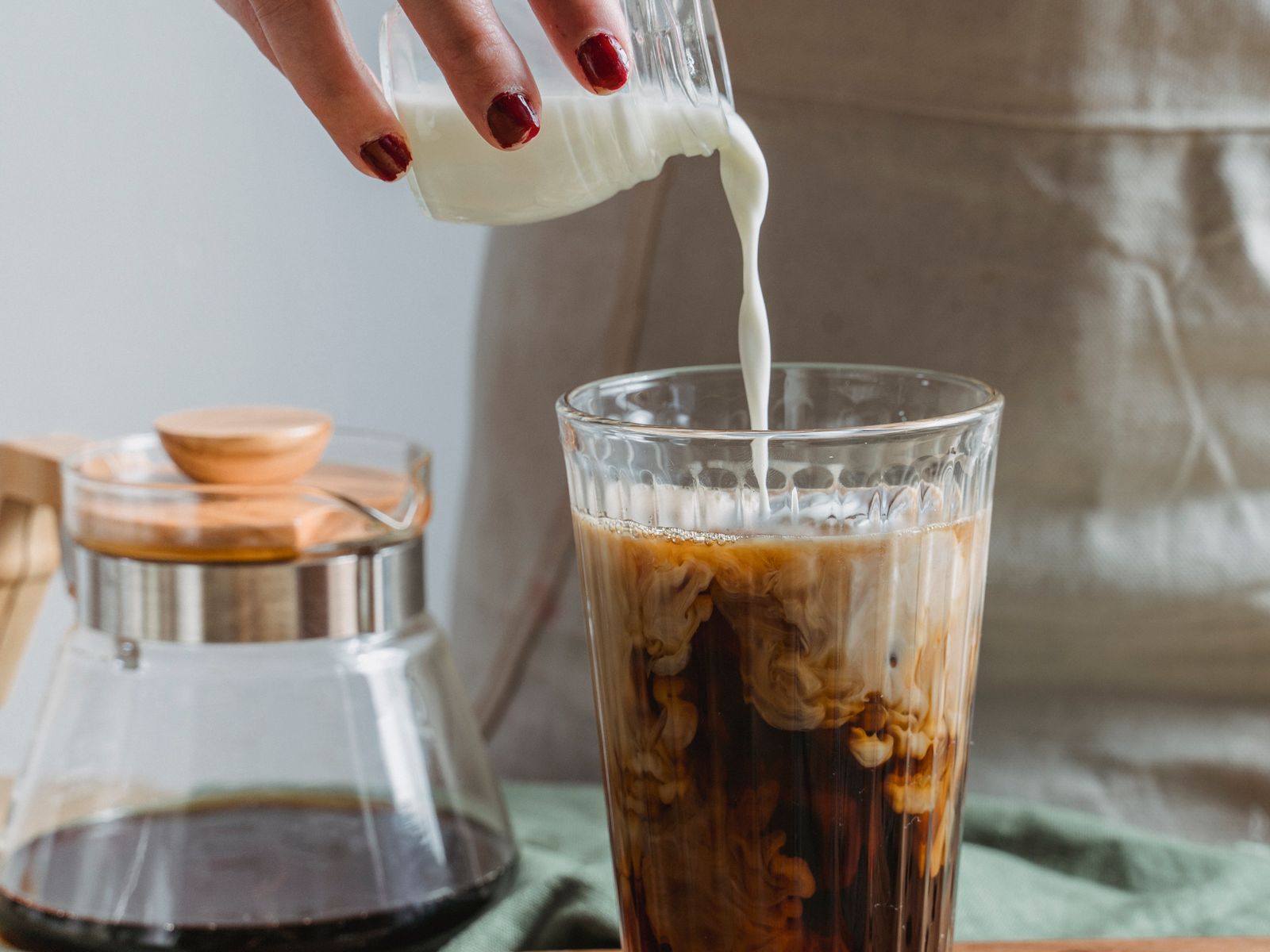
Because a 1:8 ratio makes a strong concentrate, you dilute it to taste. A common approach is to mix the concentrate with equal parts water or milk over ice.
From there, customize freely: add a splash of milk, a little simple syrup, or a pinch of cinnamon. One batch of concentrate can become a week of drinks tailored exactly to your taste.
Why cold brew is cheaper
The savings are dramatic. A café cold brew often runs $5 to $6, while a homemade serving costs roughly $0.50 to $1 in beans, even with good coffee.
Make a batch that yields eight servings and you have turned about $6 of coffee into what would cost $40 or more at a shop. Over a summer, that difference easily pays for a grinder and then some.

Storing cold brew for the week
Cold brew keeps well, which is a big part of its appeal. Store the strained concentrate in a sealed container in the fridge and it stays fresh for up to two weeks.
Keep the concentrate and your dilution water separate until you pour, so each glass tastes freshly made. Having a jar ready in the fridge makes your morning almost effortless, since the hard part is already done while you slept. On a hot day, you simply pour, dilute, and enjoy.
Dialing in your cold brew
If your cold brew tastes weak, steep longer or use a touch more coffee next time. If it tastes muddy or bitter, your grind may be too fine or the steep too long, so coarsen the grind size or cut back the time.
Small, single changes will get you to your ideal cup within a batch or two, and you will quickly learn the exact recipe your taste buds prefer. According to the National Coffee Association, cold brew’s low acidity comes directly from that cold, slow extraction.
Choosing beans for cold brew
Because cold brew is smooth and low in acidity, medium and dark roasts shine here, bringing out chocolate, nutty, and caramel notes. Lighter roasts work too and give brighter, fruitier flavors if that is your preference.
You do not need your most expensive beans for cold brew, which is another reason it saves money. A solid, fresh medium roast makes an excellent batch, so save the pricey single-origin bags for your careful pour-overs.
Fun ways to customize your cold brew
Once you have a jar of concentrate ready, it becomes a base for all kinds of drinks. A few favorites are worth trying as the weather heats up:
- Vanilla sweet cream cold brew: top diluted cold brew with a splash of vanilla-sweetened cream.
- Cold brew latte: cut the concentrate with cold milk instead of water.
- Coconut or oat cold brew: use your favorite plant milk for a dairy-free treat.
- Spiced cold brew: add a cinnamon stick or a pinch of nutmeg to the steep.
Common cold brew mistakes to avoid
The most common mistake is using a fine grind, which makes straining messy and the coffee bitter. Cold brew wants a coarse grind, coarser than you would use for almost any hot method.
Another is forgetting to dilute the concentrate, then deciding cold brew is too intense. Remember that a 1:8 batch is a concentrate meant to be cut with water or milk, not sipped straight. Finally, do not over-steep past 24 hours, since flavors turn heavy and woody beyond that window.
Counter versus fridge steeping
You can steep cold brew at room temperature or in the fridge, and each has a small trade-off. Room-temperature steeping extracts a little faster, so you can shorten the time toward 12 to 14 hours.
Fridge steeping is slower and gentler, usually needing the full 18 to 24 hours, but many people feel it tastes cleaner and it keeps the coffee cold from the start. Try both and see which fits your schedule and your palate.
A note on caffeine and strength
Cold brew concentrate is strong, so it is easy to underestimate how much caffeine you are drinking. Undiluted, it can carry noticeably more caffeine per ounce than regular hot coffee, which is another reason to cut it with water or milk.
If you are sensitive to caffeine, dilute a little more heavily or steep for a shorter time. The beauty of making it yourself is that you control the strength completely, glass by glass, instead of accepting whatever a café pours.
Your next step
Tonight, stir 100 grams of coarse coffee into 800 grams of cold water, cover it, and let it steep overnight. Strain it in the morning, pour over ice, and taste how smooth homemade cold brew can be.
Once you nail your first batch, adjust the steep time to match your taste, and enjoy café-quality cold brew all summer for pennies a glass. Keep a jar going in the fridge and you may never pay $6 for iced coffee again.

Maria Peixoto writes about making great coffee at home — no expensive machines, no barista jargon, just better cups every morning. Based in Portland, Oregon.