A friend texted me a photo of a gleaming espresso machine on her counter last spring, thrilled with her impulse buy. Three months later it was in a closet, replaced by the same drip pot she’d always used. She loved the idea of espresso at home more than the reality of making it.
Her story is common, and it is exactly why the question deserves an honest answer. Is an espresso machine worth it for the average home coffee drinker? Sometimes yes, often no. Let’s walk through the real costs, the learning curve, and who actually benefits before you spend the money.
What You Are Really Paying For
Espresso is not just strong coffee. It is coffee forced through finely ground beans under about nine bars of pressure, which produces the thick body and golden crema you cannot get any other way. Recreating that pressure at home requires real hardware, and hardware costs money.
Prices span a huge range. Entry-level machines start around 100 dollars, mid-range models run 300 to 700 dollars, and enthusiast setups climb past 1,000. But the machine is only part of the bill, and the rest is where people get surprised.
Is an Espresso Machine Worth It Once You Add a Grinder?
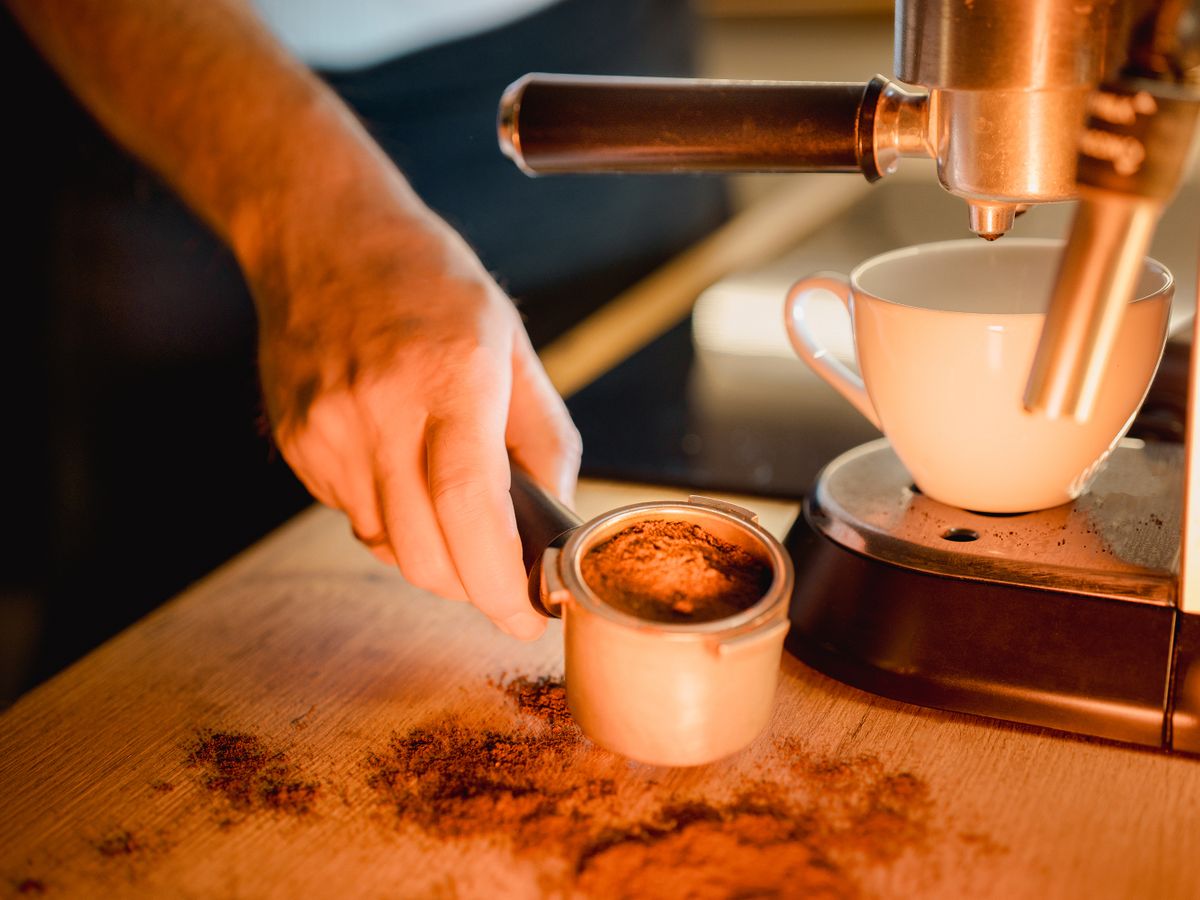
This is the detail that sinks most budgets. Good espresso demands a fine, consistent, adjustable grind, and pre-ground coffee simply will not deliver it. That means a burr grinder capable of espresso-fine settings, which starts around 150 dollars for a decent one.
So a realistic first espresso setup is not the 200-dollar machine on sale. It is that machine plus a 150-dollar grinder, a tamper, and maybe a milk pitcher. Suddenly your budget upgrade is a 400-dollar commitment. If a grinder is not in the plan, the espresso will disappoint no matter how good the machine.
The Learning Curve Is Real
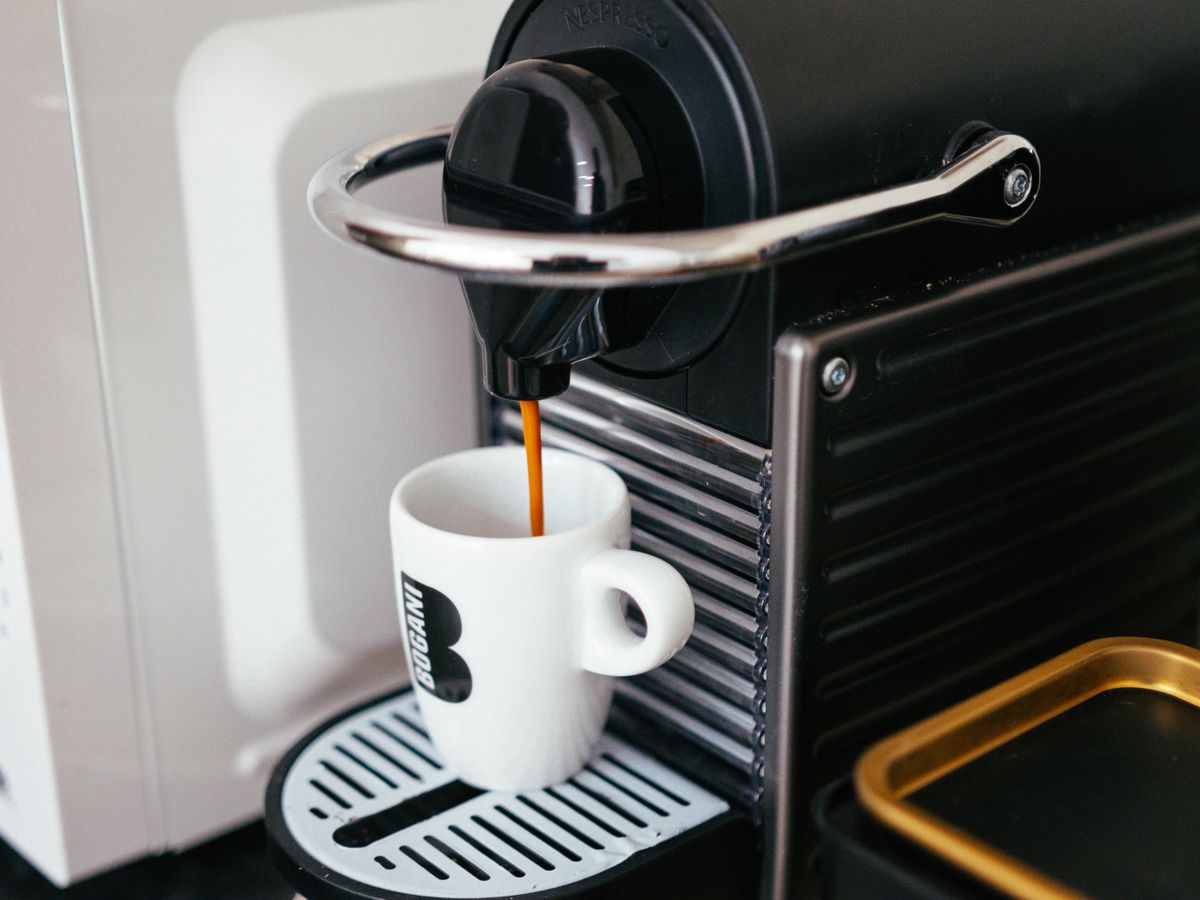
Drip coffee forgives mistakes. Espresso does not. Pulling a good shot means dialing in grind size, dose, tamp pressure, and timing, and changing one throws off the others. Your first week of shots will likely taste sour, bitter, or thin.
Most people need a few weeks of daily practice before shots become reliable. If you enjoy tinkering, that is part of the fun. If you just want caffeine before work, the process can feel like a chore, and that is when machines end up in closets.
Who an Espresso Machine Is Worth It For
An espresso machine earns its counter space for a specific kind of person. Be honest about whether you fit the list:
- You drink milk-based drinks daily and spend 5 dollars a pop at cafes, so the machine pays for itself over time.
- You genuinely enjoy the craft and want a hobby, not just a beverage.
- You have counter space and are willing to clean the machine after every use.
- You already grind fresh beans and understand ratios.
If two or more of those describe you, a machine can be a genuine joy and a long-term money saver. If none do, keep reading.
Who Should Skip It
If you mostly drink black coffee, an espresso machine is overkill. A good pour-over or French press will make you happier for a fraction of the cost. If you want espresso-style drinks only occasionally, the math rarely justifies the outlay.
And if the appeal is mostly the aesthetic of a shiny machine on the counter, be honest with yourself. That impulse fades fast, and a closet full of regret is expensive. There are cheaper ways to get close to espresso, and they are worth trying first.
Cheaper Alternatives That Get You Close
You can make rich, concentrated, espresso-like coffee without a pump machine. A moka pot costs 25 to 40 dollars and produces a bold, intense brew that shines in milk drinks. Our guide to moka pot coffee under 30 dollars shows exactly how.
An AeroPress, around 40 dollars, makes a strong concentrate that many people prefer to weak espresso. Manual lever espresso makers and hand-pump devices sit in the 70-to-100-dollar range and pull real shots with elbow grease instead of electricity. Any of these lets you test whether you even like making espresso before committing to a full setup.
Running the Numbers
Let’s do the honest math. Say a daily latte costs 5 dollars at a cafe, or about 1,825 dollars a year. A 400-dollar home setup plus roughly 200 dollars a year in beans and milk pays for itself in well under a year if you truly replace those cafe visits.
But that only works if you actually use it every day. Buy the machine, use it twice a week, and still hit the cafe on the way to work, and you have spent 400 dollars to save almost nothing. The break-even point is not the price tag, it is your habit. A machine is worth it only if it changes your routine.
What to Look For If You Buy
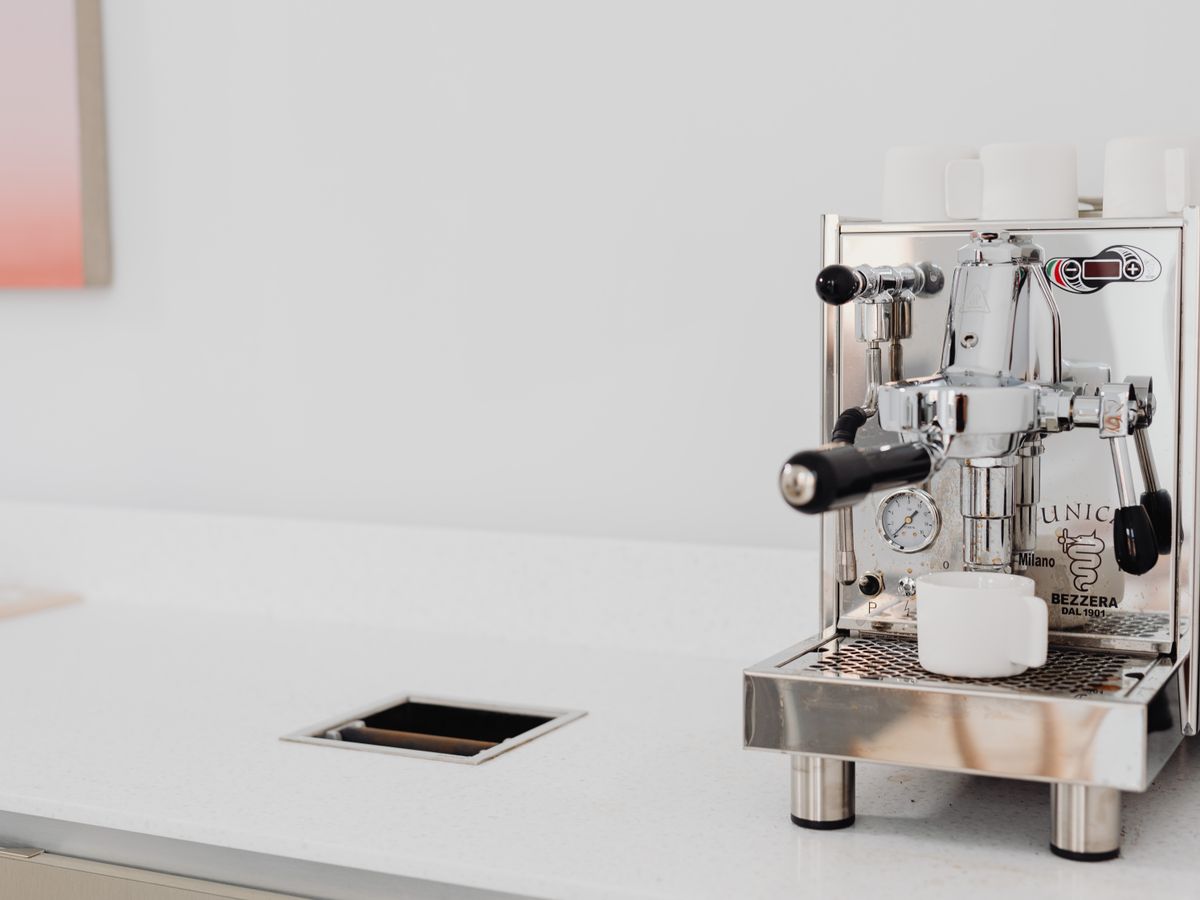
If you decide to commit, skip the cheapest pressurized-portafilter machines that fake crema, and skip pod systems if you care about quality. Look for a machine with a real 9-bar pump, a proper steam wand if you drink milk drinks, and a boiler that recovers heat quickly.
Budget for the grinder in the same breath as the machine, since the grinder matters more than most beginners expect. If you are weighing grinder options, our comparison of manual and electric grinders will help you spend wisely, and our roundup of cheap coffee upgrades covers the small accessories that make a real difference.
The Honest Verdict
Is an espresso machine worth it? For a committed daily milk-drink lover who enjoys the process, absolutely, and it can save real money. For everyone else, the honest answer is probably not, at least not yet.
Before you buy, spend a month with a moka pot or AeroPress. If you find yourself making espresso-style drinks daily and wishing they were easier, that is your green light. If the novelty fades, you just saved 400 dollars. For more on brewing fundamentals that apply to any method, the National Coffee Association is a solid, unbiased resource. Either way, start with your habit, not the hardware.
Maintenance and Daily Reality
The part nobody mentions at the store is upkeep. An espresso machine needs the group head wiped and backflushed regularly, the portafilter rinsed after every shot, and the steam wand purged and cleaned each time you froth milk. Skip this and the machine tastes stale and clogs within months.
You will also need to descale every month or two, depending on your water hardness, and keep a stash of cleaning tablets on hand. It is maybe five extra minutes a day, which sounds trivial until you are running late and staring at a machine that demands attention before your first cup. Factor that time into your decision as honestly as you factor the price.
Common Buyer Regrets to Avoid
The most frequent regret is buying the machine and skimping on the grinder, which guarantees mediocre shots. The second is choosing a pod machine expecting cafe quality, then feeling stuck with expensive capsules. The third is buying far more machine than a beginner needs, spending 800 dollars on features you will not touch for a year.
Start modest, learn the craft, and upgrade only once you know what you are missing. A thoughtful 400-dollar setup used daily beats a 900-dollar machine gathering dust every single time.
Espresso vs Your Local Cafe
One overlooked factor is that a good barista has years of practice and a commercial machine you will never match at home. Your first months of shots probably will not rival your favorite cafe, and that gap disappoints some buyers who expected instant results.
The flip side is convenience and cost once you improve. No line, no tip, no rushing out the door, and a latte for under a dollar in ingredients. For people who value that daily ritual at home, the trade is worth it. For those chasing perfect cafe quality on day one, temper your expectations before you buy.
Maria Peixoto writes about making great coffee at home — no expensive machines, no barista jargon, just better cups every morning. Based in Portland, Oregon.