When I bought my first real coffee grinder, I stood in the store holding a $30 hand grinder in one hand and a $90 electric one in the other, genuinely unsure which was the smarter buy. That exact standoff is one every home coffee lover eventually faces, and the honest answer depends more on your mornings than on your budget.
The manual vs electric grinders question comes down to a few practical tradeoffs: money, effort, speed, and consistency. This guide breaks down each one in plain terms so you can spend your money once and grind happily for years.
There is no wrong door here, only the one that fits your kitchen and your patience. Keep that in mind as we weigh each factor, because the best grinder is the one you will happily reach for every single morning rather than the one that looks most impressive on paper.
Why a Grinder Matters More Than You Think
Before comparing manual vs electric grinders, it helps to know why any dedicated grinder beats pre-ground coffee. Whole beans lock in aroma, and grinding just before brewing releases flavor that a bag of pre-ground loses within minutes. Almost everyone who upgrades from pre-ground notices the jump immediately.
Just as important is the type of grinder. Both manual and quality electric options use burrs, which crush beans to an even size, rather than blades, which chop unevenly. If that distinction is new to you, my breakdown of burr vs blade grinders explains why it matters so much for taste.
Manual Grinders: Cheap, Quiet, and Consistent
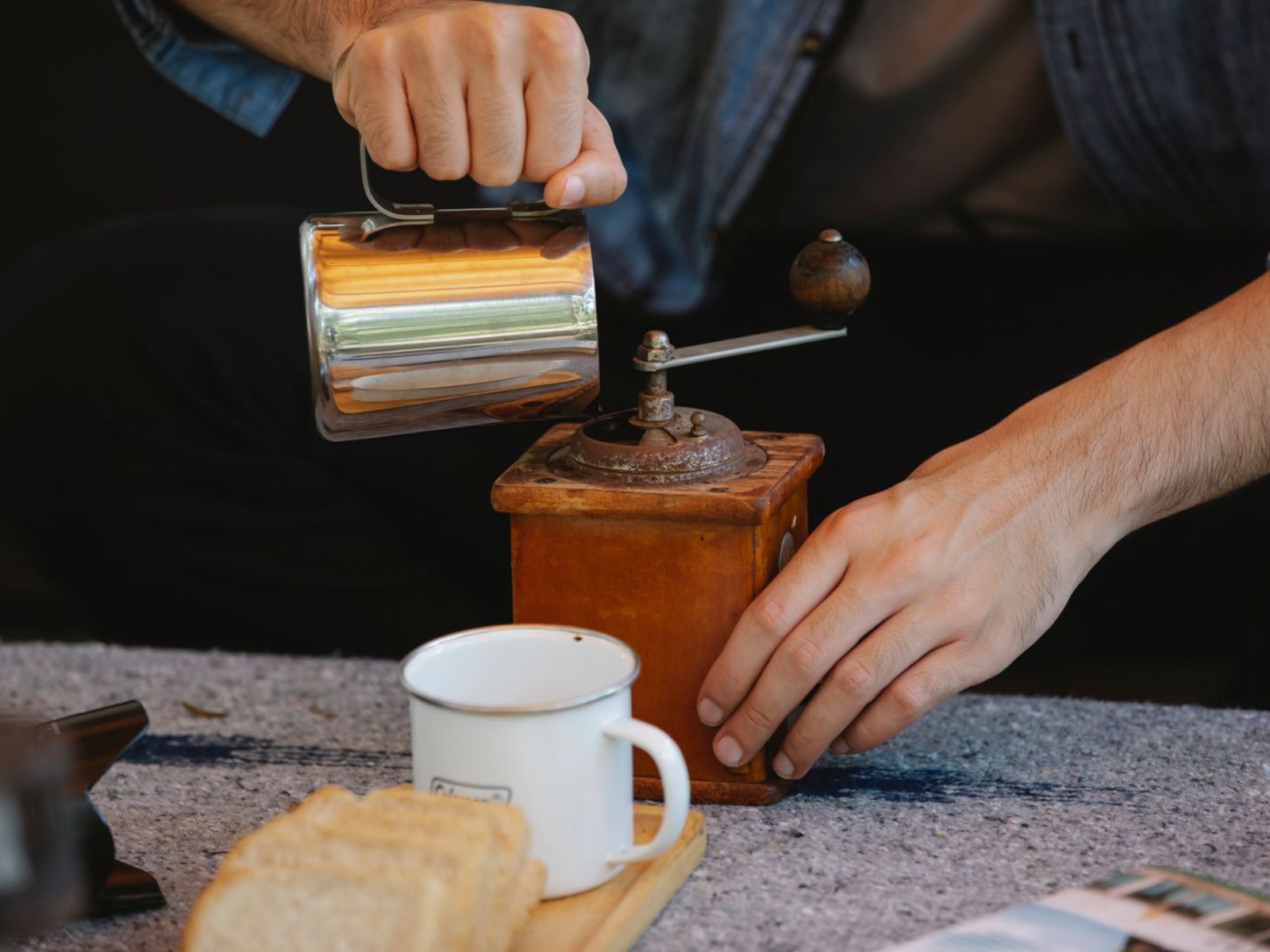
Manual grinders are the budget hero of this comparison. A solid hand grinder with steel burrs costs roughly $25 to $45 and often grinds as evenly as electric models three times the price. That value is the single strongest argument in the manual vs electric grinders debate.
They are also quiet, compact, and travel-friendly, needing no outlet at all. The tradeoff is effort: grinding a single cup takes about 30 to 60 seconds of cranking, and larger batches get tiring. For one or two cups a day, most people find the workout trivial; for a busy household, it adds up.
Electric Grinders: Fast and Effortless
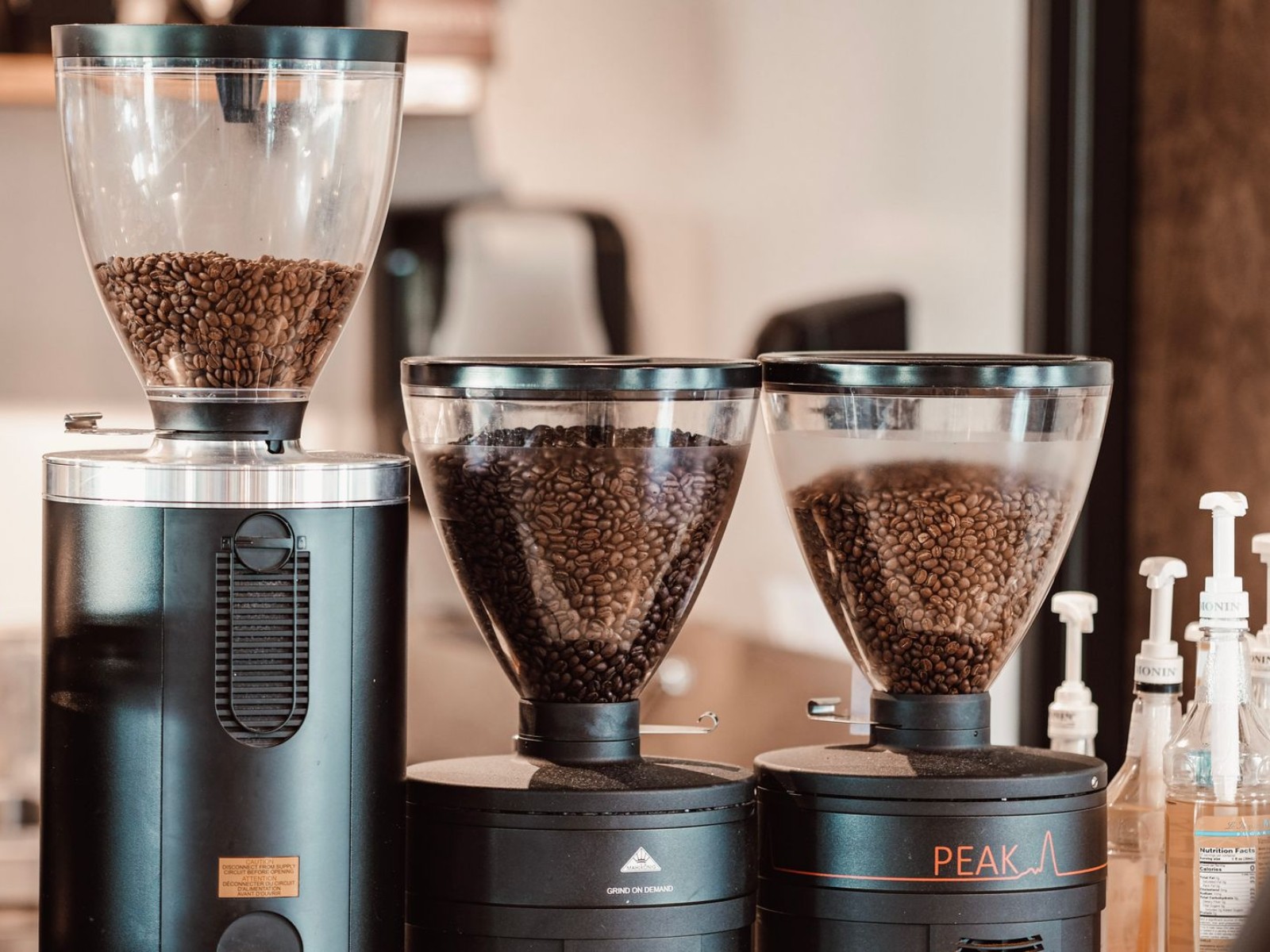
Electric grinders win on speed and convenience, which is what pushes many people toward them in the manual vs electric grinders choice. Press a button and a full pot’s worth of beans is ground in seconds, with zero elbow grease. If you brew for a family or dread mornings, that ease is worth real money.
Budget electric burr grinders start around $40 to $70, though the very cheapest can grind less evenly and run loud. Quality climbs quickly with price, so a $100 electric grinder often outperforms a $50 one noticeably. They also take up counter space and need an outlet, which matters in a small kitchen.
Head-to-Head on a Budget
Here is how the manual vs electric grinders comparison shakes out for a budget-minded buyer:
- Price: manual wins, offering great burrs for $25 to $45
- Speed: electric wins, grinding in seconds
- Effort: electric wins, no cranking required
- Consistency per dollar: manual wins at low budgets
- Noise and portability: manual wins, quiet and packable
If your budget is under $50 and you brew one or two cups, a manual grinder is usually the smarter pick. If you have $70 or more and value speed, a budget electric burr grinder earns its keep.
Matching the Grinder to Your Brew
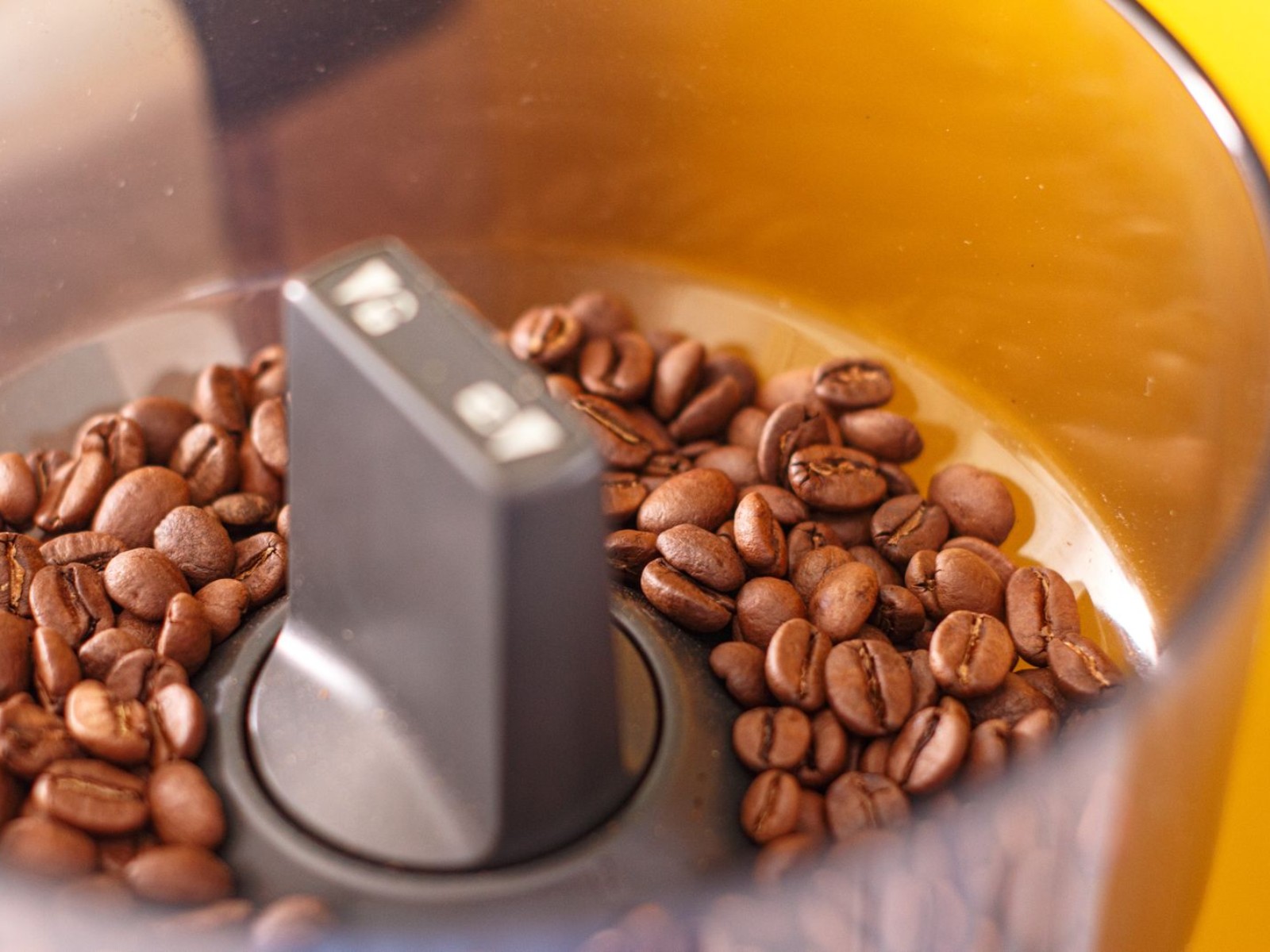
Whichever side of the manual vs electric grinders line you land on, look for adjustable grind settings. Different brew methods need different grind sizes, from coarse for French press to medium for drip. Understanding how grind size matches your brew method ensures the grinder you buy can actually do the job you need.
If espresso is your goal, tread carefully; espresso demands very fine, precise grinds that many budget grinders, manual or electric, struggle to hit. For drip, pour-over, and French press, though, an affordable grinder from either camp performs beautifully.
Building the Rest of Your Setup
A grinder is one piece of a larger puzzle, and it pairs best with a few other inexpensive tools. If you are still assembling your kit, my list of the best coffee gear for beginners under $50 shows how a grinder fits alongside a scale and kettle without breaking the bank.
Whatever you choose, buy from a maker that sells replacement burrs, since burrs are the one part that eventually wears. The Specialty Coffee Association notes that grind consistency is one of the biggest levers on cup quality, so a durable grinder is a long-term investment, not a splurge.
It also helps to think about where you drink your coffee. If you love brewing on camping trips, at the office, or in a tiny apartment, a manual grinder simply goes places an electric one cannot. If your coffee life is firmly rooted at one kitchen counter with steady power, that portability advantage matters far less, and convenience takes the lead.
Durability and Long-Term Cost
Price at checkout is not the whole story. A well-made manual grinder can last a decade with almost nothing to break, since there is no motor to burn out. That longevity quietly tips the manual vs electric grinders math further in the manual camp for anyone keeping a tight budget over years, not just one purchase.
Electric grinders carry a motor, and cheaper motors can strain or overheat if you grind large batches back to back. That does not make them a bad buy, but it is worth letting a budget electric grinder rest between batches. Either way, keeping the burrs clean by brushing out old grounds weekly extends the life of any grinder dramatically.
Mistakes to Avoid When Buying
The most common mistake is buying a blade grinder by accident because it is cheapest. Blade models chop unevenly and undo much of the benefit of grinding fresh, so confirm you are getting burrs regardless of which side of the manual vs electric grinders question you choose. Read the product description carefully, because marketing photos can look similar.
Another misstep is overspending on features you will never use. A home brewer making drip and French press does not need a 40-setting espresso grinder. Match the tool to your real habits, spend the savings on fresh beans, and your cup improves more than any premium dial ever could.
The Bottom Line
In the manual vs electric grinders decision, there is no universal winner, only the right fit for your routine. Grind a cup by hand if you value savings, silence, and control; plug in an electric if you value speed and grind for a crowd. Pick the one that matches your mornings, and you will taste the upgrade in your very next cup.

Maria Peixoto writes about making great coffee at home — no expensive machines, no barista jargon, just better cups every morning. Based in Portland, Oregon.