The first specialty coffee bag I ever bought sat in my cart for ten minutes while I squinted at words like “washed,” “Yirgacheffe,” and “notes of stone fruit,” feeling like I needed a translator. That little bag held more information than most people ever use, and once I learned to decode it, choosing coffee stopped being a guess.
Learning to read a bag of coffee is the fastest way to buy beans you will actually love instead of grabbing whatever looks nice on the shelf. This guide walks through every label you will see, what it really tells you, and which details matter most for a great cup at home.
Why Learning to Read a Bag of Coffee Pays Off
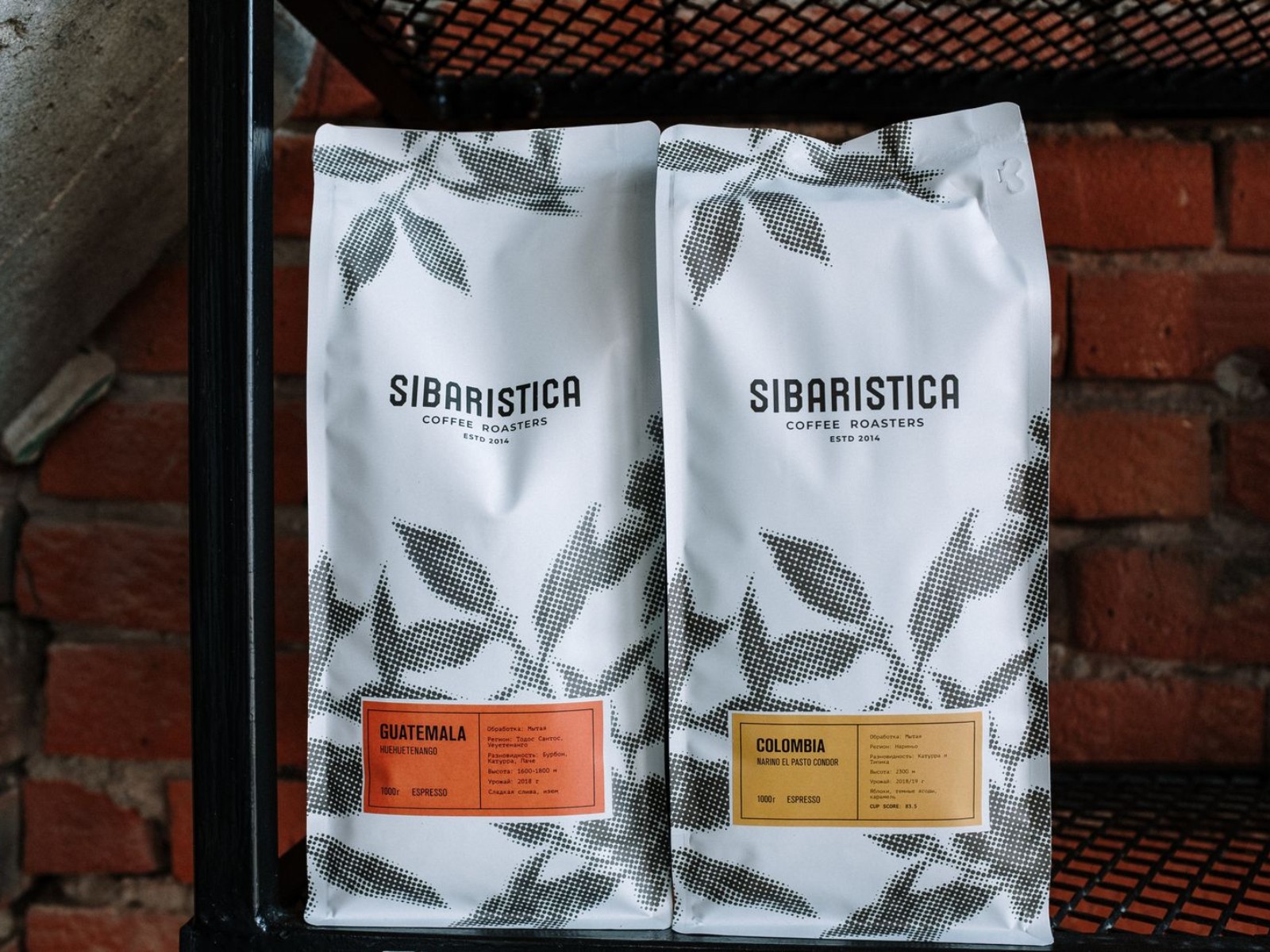
A coffee bag is a small spec sheet. It tells you how fresh the beans are, where they grew, how they were processed, and what they should taste like. Ignore it and you are shopping blind; learn to read a bag of coffee and you can predict, with surprising accuracy, whether a bag suits your taste and your brewer.
When you learn to read a bag of coffee, the payoff is money saved and disappointment avoided. Instead of buying a dark, smoky roast when you actually love bright, fruity cups, you learn to match the label to your preferences before you ever open the bag.
Roast Date: The Most Important Number
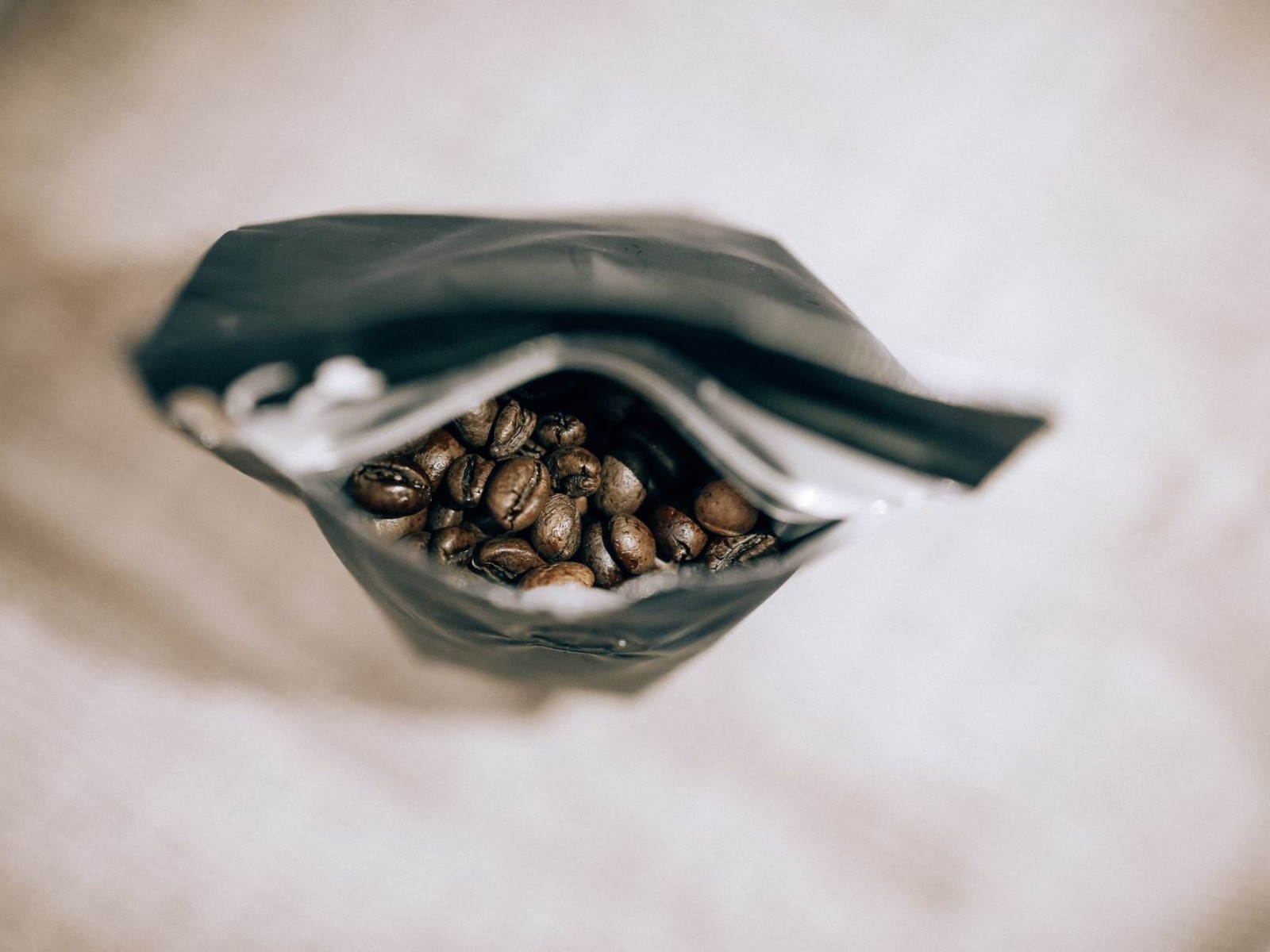
If you learn one thing about how to read a bag of coffee, make it this: look for a roast date, not a best-by date. Fresh coffee is at its best from about 5 to 21 days after roasting. A “best by” stamp a year out usually means the beans have been sitting long enough to go flat.
Coffee does not spoil in a dangerous way, but it loses its aromatic oils and brightness quickly. A bag roasted three days ago needs a short rest; a bag with no roast date at all is a quiet warning sign about the roaster. Once you get the beans home, storing them well keeps that freshness longer, which I cover in my guide to storing coffee beans to keep them fresh.
Origin and Region
Origin tells you where the coffee grew, and it hints strongly at flavor. As a loose map, coffees can lean toward these broad profiles:
- Ethiopia and Kenya: bright, floral, berry and citrus notes
- Colombia and Central America: balanced, caramel sweetness, nutty
- Brazil: low acidity, chocolatey, great for espresso and milk drinks
- Sumatra and Indonesia: earthy, full-bodied, herbal
A single-origin bag comes from one country or even one farm, giving a distinct character. A blend mixes origins for balance and consistency. Neither is better; single origins are exciting to explore, while blends are dependable everyday drinkers.
Tasting Notes: What “Stone Fruit” Really Means
Tasting notes describe flavors the roaster detected, not ingredients added to the coffee. “Notes of blueberry and dark chocolate” means the brewed coffee should remind you of those flavors on its own. Nothing is flavored unless the bag specifically says so.
As you read a bag of coffee, use the notes as a compass. If you love bright, juicy cups, chase words like citrus, berry, and floral. If you prefer cozy and rich, look for chocolate, caramel, nutty, and toasted. The roast you gravitate toward shapes this too, which is why it helps to understand how to choose the right roast for your taste alongside the notes.
Processing Method
The processing method describes how the fruit was removed from the seed, and it dramatically affects flavor. Washed coffees taste clean and crisp, letting origin shine. Natural or dry-processed coffees taste fruity, sweet, and sometimes wine-like because the beans dry inside the cherry.
You may also see “honey” processing, which sits between the two with a syrupy sweetness. When you read a bag of coffee you do not need to memorize the science, just remember that natural equals fruity and washed equals clean, and you will already predict flavor better than most shoppers.
Grind Recommendations and Weight
Most quality bags sell whole bean, which is ideal because grinding fresh preserves aroma. If a bag offers a grind option, match it to your brewer; the wrong grind wastes good beans. Understanding how grind interacts with your method, from coarse for French press to medium for a pour-over, turns a good bag into a great cup.
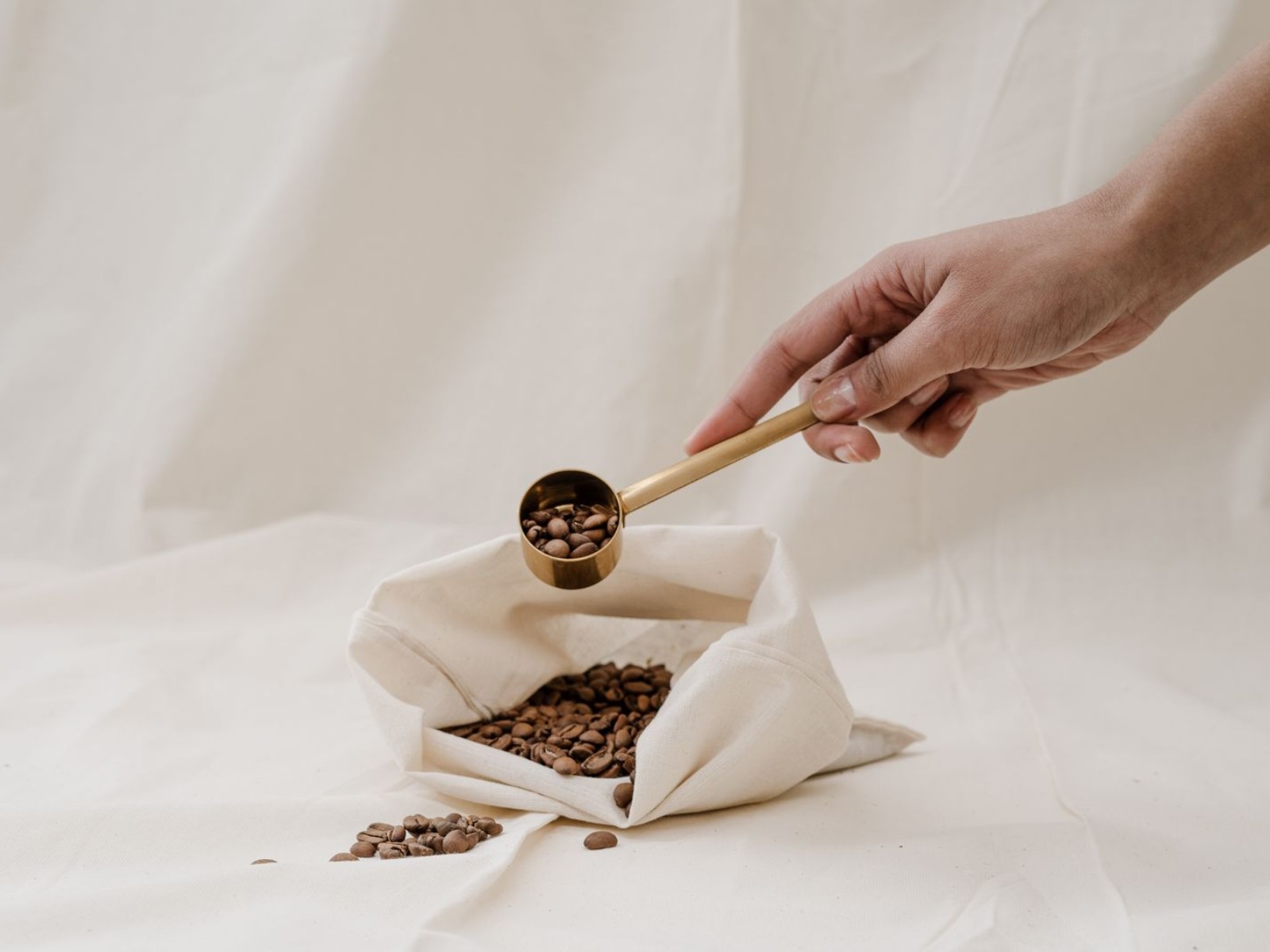
As you read a bag of coffee, check the net weight too. A standard bag is 12 ounces (340 grams), which brews roughly 20 to 24 mugs at a 1:16 ratio. Knowing that helps you judge value and how long a bag will realistically last before freshness fades.
Certifications and Buzzwords
Labels like organic, Fair Trade, and Rainforest Alliance speak to how the coffee was grown and traded, not necessarily how it tastes. They can matter a great deal for your values, so read them with that lens. According to the National Coffee Association, understanding these terms helps consumers make more informed and sustainable choices.
Be a little skeptical of vague marketing words like “premium” or “gourmet,” which have no fixed meaning. The roast date, origin, and processing method tell you far more than any glossy adjective.
Roast Level and Altitude Clues
Many bags print a roast level, from light to dark, or show a little slider. Light roasts preserve origin character and acidity, medium roasts balance sweetness and body, and dark roasts push toasty, bold, sometimes smoky flavors. If the bag only lists tasting notes, you can often infer the roast: berry and floral notes point light, while chocolate and roasted notes point darker.
Some specialty bags also list altitude, often written as meters above sea level or the abbreviation MASL. Higher-grown coffees, roughly 1,500 meters and above, tend to be denser and more complex, with brighter acidity. It is a nerdy detail, but once you notice it, you start to see why two Colombian coffees can taste so different.
Where and How to Buy the Freshest Bags
The freshest coffee usually comes from local roasters or roaster websites that ship within days of roasting. Grocery-store bags can still be good, but they sit longer, so the roast date matters even more there. Buy only what you will drink in three to four weeks rather than stockpiling, because an unopened bag still slowly loses aroma.
Look for a one-way valve on the bag, that little round button that lets gas escape without letting oxygen in. It is a sign the roaster packaged the coffee thoughtfully. A resealable zipper is a nice bonus, but proper storage at home still does more for freshness than the bag alone.
Put It All Together
Once you can read a bag of coffee at a glance, flip the bag over and read it like a story: when it was roasted, where it came from, how it was processed, and what it should taste like. Learning to read a bag of coffee this way will steer you to beans you genuinely enjoy far more reliably than the label on the front. Pick one new bag this week, decode it before you buy, and notice how much more confident your choice feels.
Maria Peixoto writes about making great coffee at home — no expensive machines, no barista jargon, just better cups every morning. Based in Portland, Oregon.