The difference between gas-station coffee and the cup you make at home usually comes down to three minutes and one small change. You don’t need a $700 espresso machine or a wall of gadgets. A handful of cheap coffee upgrades, most under $30, will do more for your morning cup than any single expensive purchase.
I’ve spent years testing gear at every price point, and the truth is a little humbling: the biggest jumps in quality come from the cheapest fixes. Here are the upgrades that punch far above their price.
Why Cheap Coffee Upgrades Beat Expensive Machines
Expensive machines automate convenience, but they rarely fix the things that actually make coffee taste bad: stale grounds, bad ratios, and poor water. Those are cheap problems to solve. That’s why a beginner with $50 of the right basics often makes better coffee than someone with a fancy machine and pre-ground beans.
The best cheap coffee upgrades target flavor at its source. Spend where it changes the cup, and skip where it only changes the countertop.
Upgrade 1: A Burr Grinder (Even a Hand One)
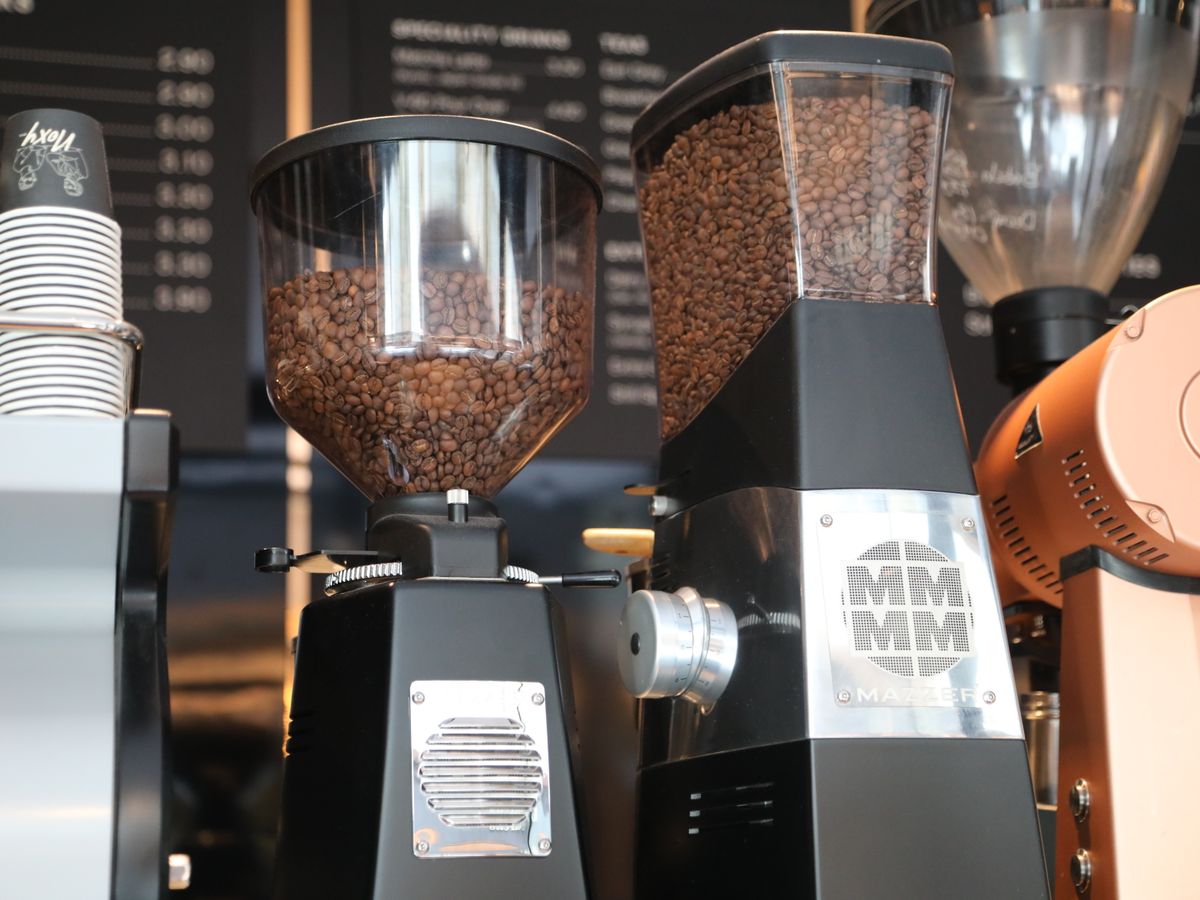
If you buy one thing, buy a grinder. Pre-ground coffee goes stale within days, losing the aromatics that make coffee taste alive. Grinding right before you brew is the single biggest flavor improvement most people can make.
A manual burr grinder starts around $25 to $40 and crushes beans evenly, unlike cheap blade grinders that chop them into uneven chunks. Even grounds extract evenly, which means fewer bitter and sour notes fighting each other in the cup. A blade grinder produces dust and boulders at the same time, and no brewing skill can fully rescue that. If you’re weighing your options, my guide on manual vs electric grinders breaks down which is right for your budget and routine.
Upgrade 2: A Simple Kitchen Scale
Coffee is a recipe, and recipes need measurement. A $10 to $15 digital scale lets you hit a consistent coffee-to-water ratio every time instead of guessing with scoops that vary wildly.
Aim for a 1:16 ratio — 1 gram of coffee to 16 grams of water — and adjust to taste. A scale turns a lucky good cup into a repeatable one. Pair it with the right coffee-to-water ratio and weak, inconsistent coffee disappears overnight.
Upgrade 3: Better Water
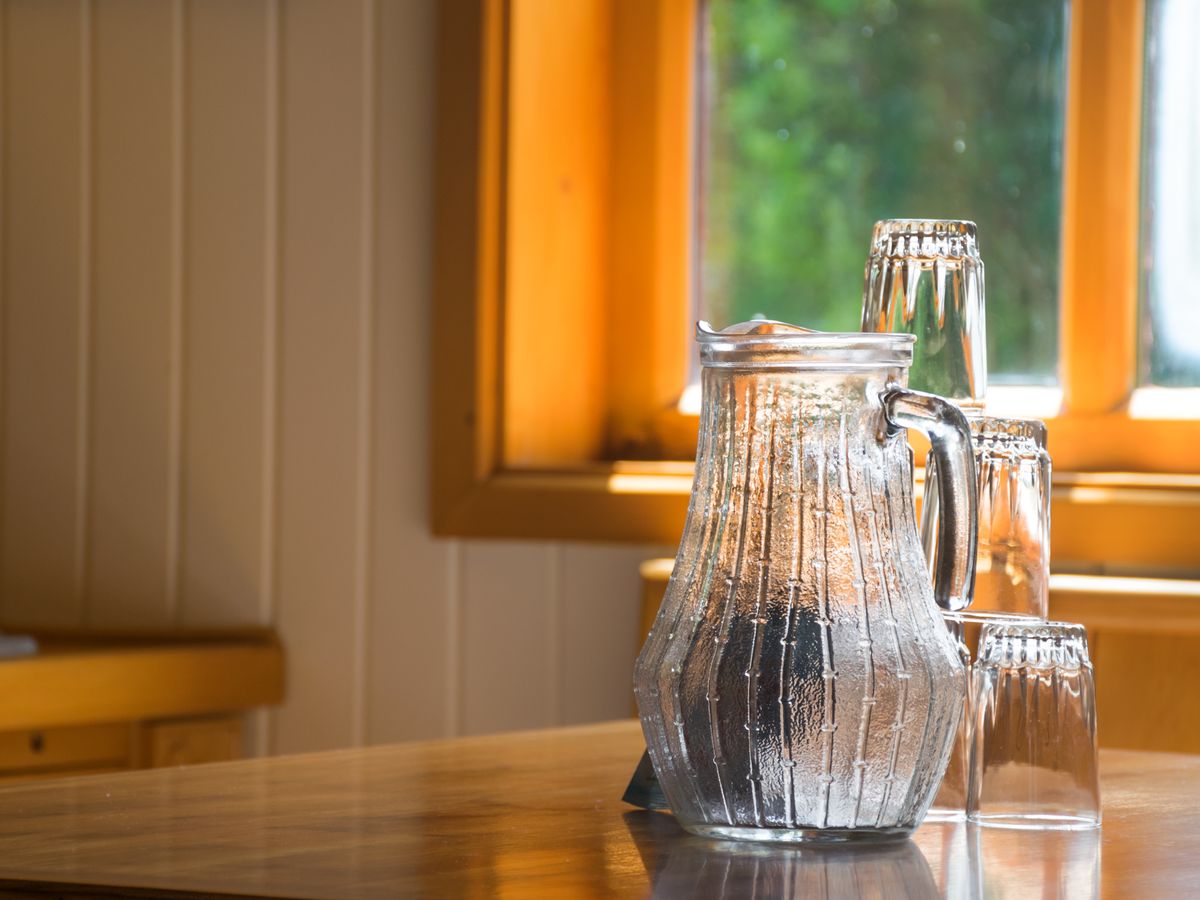
Your cup is over 98% water, so what comes out of your tap matters. Chlorine and heavy minerals dull flavor and add off-tastes. A $20 to $40 carbon filter pitcher removes chlorine and softens hardness, and you’ll taste the difference in the very next brew. If bottled water noticeably improves your coffee, that is your sign that your tap water was holding the flavor back all along.
The Cheapest Test of All
Before you spend anything, taste your tap water plain. If it has a chlorine bite or metallic edge, filtering it is one of the cheapest coffee upgrades with an outsized payoff. It costs pennies per cup and needs zero counter space.
Upgrade 4: A Gooseneck Kettle
For pour-over and drip fans, a gooseneck kettle gives you control over where and how fast the water lands, which means more even extraction and a cleaner cup. Basic stovetop models start around $25.
It’s not strictly essential, but it’s a satisfying, affordable step up. If you’re not sure it’s for you, my take on whether a gooseneck kettle is worth it can help you decide before you spend.
Upgrade 5: Fresh, Whole Beans
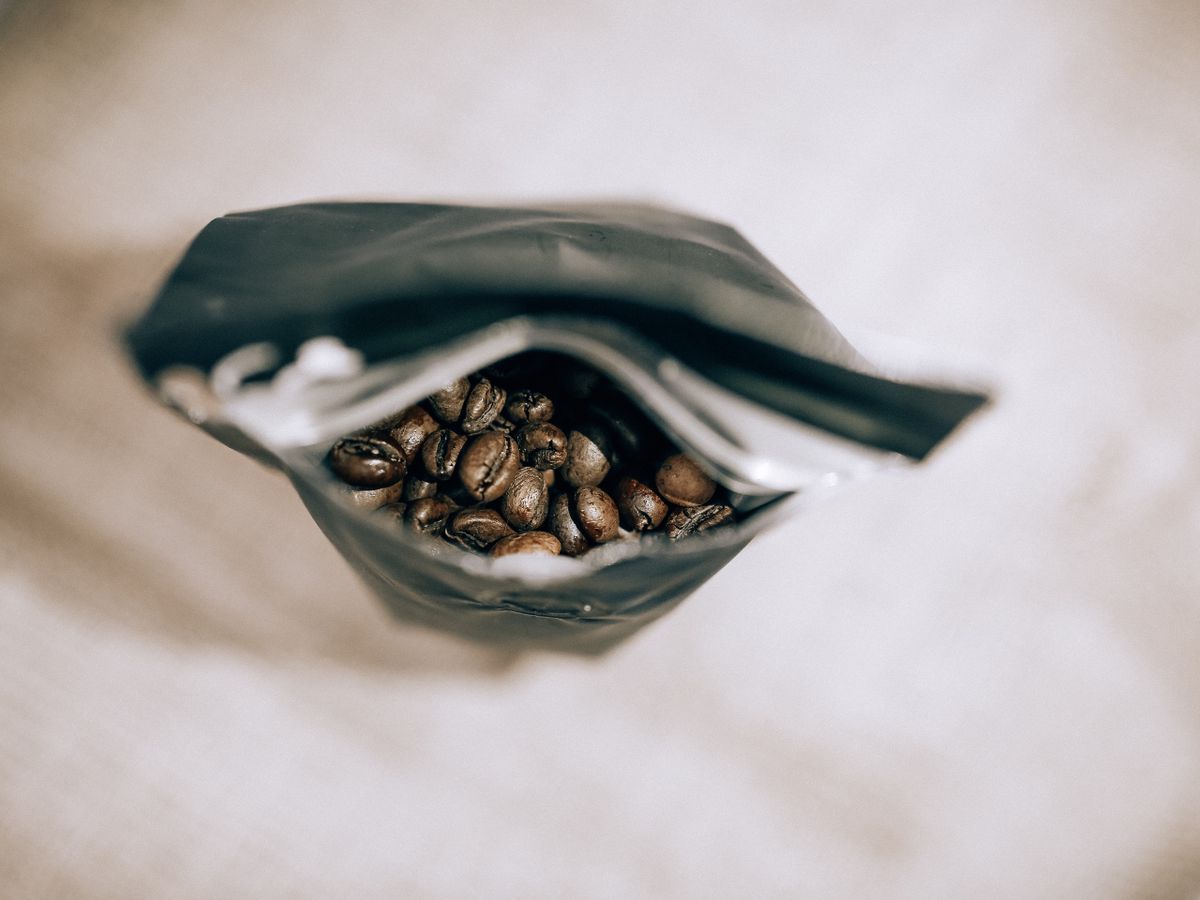
Gear can only do so much with old beans. Buying fresh, whole beans with a visible roast date — and using them within a few weeks — is a near-free upgrade that most people overlook. Look for a roast date, not a “best by” date.
Store them properly in an airtight container away from light and heat, and buy only what you’ll drink in three to four weeks. Fresh beans plus a grinder is the combination that makes home coffee genuinely exciting. The National Coffee Association notes that air, moisture, heat, and light are coffee’s biggest enemies, so proper storage protects your investment.
Putting Your Budget in Order
If you’re building up slowly, here’s the order I’d spend in for the best cheap coffee upgrades:
- Fresh whole beans (near free, buy what you already budget for coffee).
- A burr grinder ($25–$40).
- A digital scale ($10–$15).
- A water filter pitcher ($20–$40).
- A gooseneck kettle ($25+), if you brew pour-over.
That entire list can land under $100, and each step is useful on its own. You don’t have to buy them all at once.
Upgrades That Aren’t Worth It Yet
Just as important as what to buy is what to skip. Expensive pod machines lock you into pricey refills and mediocre flavor. Milk frothing gadgets are fun but secondary if your base coffee isn’t good yet. And a second brewer before you’ve mastered your first just adds clutter.
Master the fundamentals with cheap coffee upgrades first. The flashier stuff will mean a lot more once your everyday cup is already excellent.
How to Make These Upgrades Last
Cheap gear only stays cheap if it lasts, and a little maintenance goes a long way. Wipe down your grinder’s burrs every few weeks with a dry brush to clear out oily buildup that can turn rancid and taint fresh grounds. Descale your kettle regularly if you live in a hard-water area, since limescale slows heating and shortens its life.
Rinse your scale’s surface and keep it away from spills, and store your beans in a sealed container rather than the bag they came in. None of this costs money, but it protects the small investment you just made and keeps every cup tasting the way it did on day one.
Small Habits That Cost Nothing
Some of the most effective cheap coffee upgrades aren’t purchases at all — they’re habits. Preheating your mug or brewer with hot water keeps your coffee from going lukewarm the moment it lands. Letting boiling water rest for 30 seconds before pouring drops it into the ideal 195°F to 205°F range and prevents a scorched, bitter taste.
Blooming your grounds — pouring just enough water to wet them and waiting 30 seconds before the full pour — releases trapped gases and improves extraction. And simply cleaning your brewer after each use stops old coffee oils from making tomorrow’s cup taste dull. These free tweaks stack on top of your gear upgrades for an even bigger jump in quality.
What About Espresso on a Budget?
If you love espresso-style drinks but can’t justify a machine, there are cheap coffee upgrades that get you surprisingly close. A stovetop moka pot makes a rich, concentrated shot for under $30 and lasts for years. An AeroPress can produce a strong, espresso-like brew with a bit of technique, and it doubles as a travel brewer.
Neither is a true espresso machine, but both deliver bold coffee for a fraction of the cost and none of the maintenance headaches. For most people chasing better coffee without spending a fortune, that trade-off is well worth it.
The Real Payoff of Spending Smart
When you add up a few coffee-shop drinks a week, most people spend far more in a month than these cheap coffee upgrades cost in total. Within weeks, a grinder, a scale, and a filter pitcher pay for themselves and keep paying you back every single morning. The savings are real, but the daily quality is what actually keeps you home instead of in line.
There’s also something satisfying about knowing exactly why your coffee tastes good. Once you understand that fresh grounds, a steady ratio, clean water, and the right temperature are doing the heavy lifting, you stop chasing expensive shortcuts. You realize the fundamentals were affordable all along, and that a great cup was never really about the price tag on your counter.
Your Next Step
Pick the one upgrade you don’t already have — most likely a grinder or a scale — and get it this week. Brew a cup before and after, side by side, and let your own taste buds settle the argument. That single comparison is what turns cheap coffee upgrades from a list into a habit you’ll keep for years.
Maria Peixoto writes about making great coffee at home — no expensive machines, no barista jargon, just better cups every morning. Based in Portland, Oregon.