The water for coffee you pour matters more than almost anything else, yet it is the one thing most people never think about. You bought better beans, dialed in your grind, and your coffee still tastes a little flat or oddly bitter. Before you blame your technique, look at what makes up more than 98% of every cup: the water. The water for coffee you use quietly shapes flavor more than almost any other single factor.
Two people can brew the exact same beans with the exact same method and get very different results, simply because their tap water is different. Understanding why turns a frustrating mystery into an easy fix.
Why Water Matters So Much for Coffee
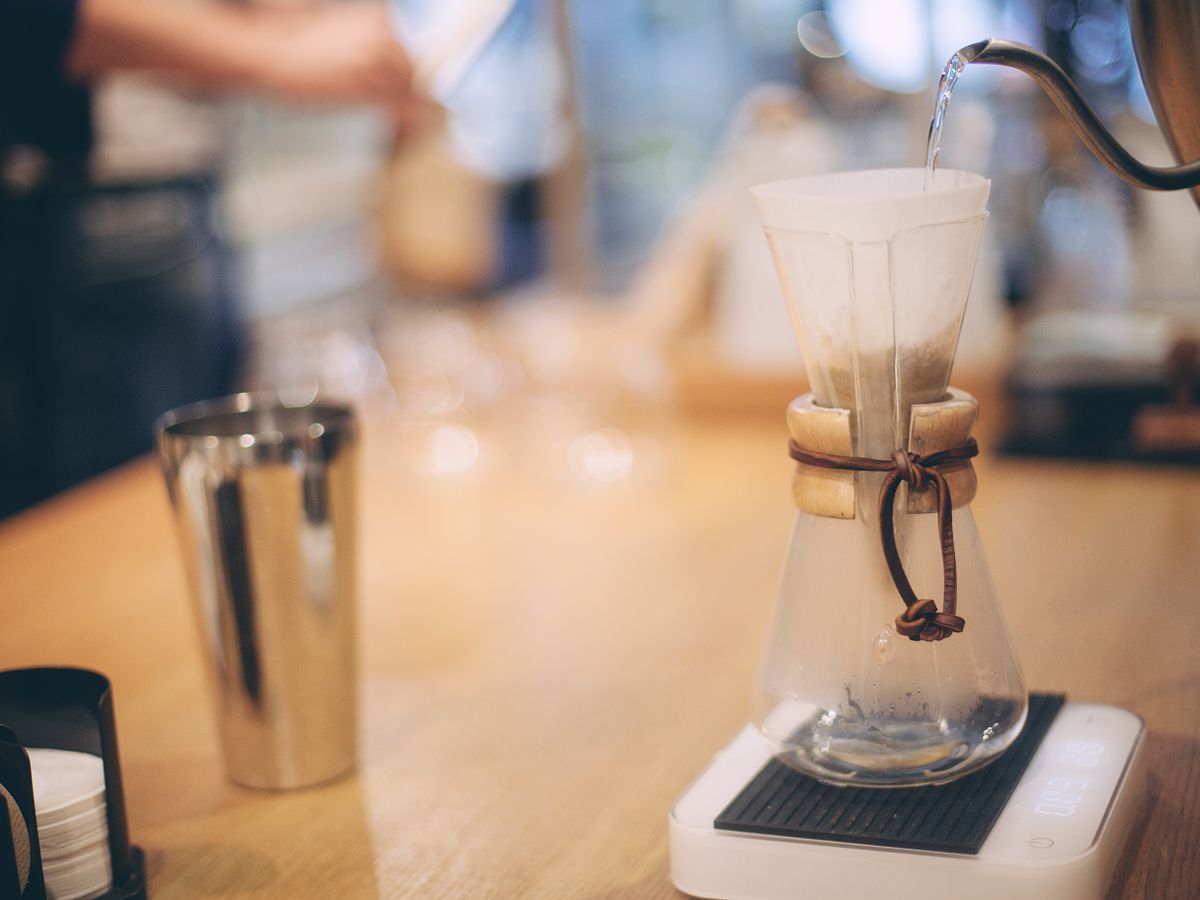
A cup of coffee is roughly 98.5% water and only about 1.5% dissolved coffee solids. That means the water for coffee isn’t just a carrier — it’s an active ingredient. Its mineral content, chlorine, and pH all influence how flavor compounds are pulled from the grounds.
When it comes to water for coffee, minerals like magnesium and calcium actually help extract and carry flavor. Too few and your coffee tastes thin and sour; too many and it turns dull, chalky, or bitter. The goal is balanced water that lets the coffee taste like itself.
What’s Actually in Your Tap Water
Tap water varies enormously from city to city. Some common culprits that change your cup include:
- Chlorine: added for safety, but it dulls aroma and adds a faint pool-water taste.
- Hardness (calcium and magnesium): some is good; too much mutes flavor and scales up equipment.
- Total dissolved solids (TDS): the overall mineral load, ideally around 150 ppm for coffee.
- Off-odors: sulfur or earthy smells that carry straight into the cup.
If your tap water tastes bad on its own, it will taste bad in your coffee. That’s the simplest test there is: pour a glass and drink it plain.
Hard Water vs Soft Water
Hard water is high in minerals, especially calcium and magnesium, and it is one of the most common water for coffee problems. In moderation those minerals aid extraction, but very hard water over-buffers the acids in coffee, flattening the bright, lively notes you paid for.
The Problem With Very Soft Water
You might assume soft water is automatically better, but water that’s too soft — or fully distilled — lacks the minerals needed to grab flavor. The result is a hollow, sour cup. This is why brewing with pure distilled water usually disappoints. A little mineral content is essential.
The Sweet Spot for Water for Coffee
The ideal water for coffee has a total dissolved solids level near 150 ppm, a neutral pH around 7, and low or zero chlorine. According to the Specialty Coffee Association, water chemistry is central to good extraction, which is why cafes obsess over it.
You don’t need a chemistry set to get close. The point isn’t perfection; it’s removing the obvious problems, chlorine and extreme hardness, so the beans can shine.
Simple Ways to Improve Your Water for Coffee
Fixing your water for coffee is usually cheap and easy. Here are the options, from simplest to most involved:
- Carbon filter pitcher: a $20–$40 pitcher removes most chlorine and improves taste immediately.
- Faucet or under-sink filter: more convenient for daily brewing.
- Bottled spring water: a quick test to see if water is your problem, though not eco-friendly long term.
- Blend distilled with mineral drops: for total control, mix distilled water with a mineral additive designed for coffee.
Start with a filter pitcher. For most home brewers, that single change removes chlorine and softens excessive hardness enough to hear a noticeable difference in the very next cup.
How Water Affects Your Equipment
Water isn’t just about flavor. Hard water leaves limescale inside kettles, drip machines, and espresso makers, which slows heating and eventually damages parts. Filtered water dramatically reduces that buildup and extends the life of your gear.
If you already brew with hard water, descaling regularly matters even more. Pairing filtered water with the right coffee-to-water ratio gives you consistency that’s hard to beat.
Putting It Together With Fresh Beans
Great water can’t rescue stale beans, and fresh beans can’t overcome bad water — you need both. Once you’ve sorted your water, make sure you store coffee beans properly and pay attention to coffee freshness so every element is working in your favor.
Think of it as a chain: water, freshness, grind, and ratio. A weak link anywhere holds the whole cup back, and water is the one most people never check.
How to Test Your Water at Home
You don’t need a lab to get useful information. Start with the plain-glass taste test: if your water tastes of chlorine, metal, or earthiness, those flavors will end up in your coffee. Next, look for physical clues. White, crusty buildup around your kettle spout or faucet is a clear sign of hard water loaded with minerals.
For a few dollars you can buy simple test strips that measure total hardness and pH, or an inexpensive TDS meter that reads your total dissolved solids in seconds. Aim for a reading somewhere in the 100 to 200 ppm range. Much higher and your coffee will taste flat; much lower and it will taste thin. Many local water utilities also publish an annual water quality report you can read online for a detailed breakdown.
Water Temperature Still Counts
Even perfect water will let you down if it’s the wrong temperature. The ideal brewing range is 195°F to 205°F. Water that’s fully boiling scorches the grounds and pulls out harsh, bitter compounds, while water that’s too cool leaves the coffee weak and sour because it can’t extract enough.
If you don’t own a thermometer, bring your kettle to a boil, then let it rest for about 30 seconds before pouring. That short pause drops the water neatly into the sweet spot. Good water at the right temperature is a combination that quietly fixes a surprising number of coffee complaints.
Common Water Mistakes to Avoid
The most common mistake is brewing with distilled or heavily softened water in the belief that purer is always better. Coffee needs some minerals to taste full, so stripping them all out backfires. Another frequent error is reusing water that’s been sitting in the kettle and reboiled several times, which can taste flat.
Finally, many people forget to change their filter. A carbon filter that’s past its lifespan stops removing chlorine and can even add off-flavors as it clogs. Mark a reminder on your calendar and swap it on schedule so your water stays as good as the day you installed it.
Water Choices for Different Brew Methods
Your water for coffee shows up differently depending on how you brew. In a delicate pour-over or drip cup, where subtle floral and fruity notes are the whole point, chlorine and heavy minerals are especially destructive because there’s nothing to hide behind. This is where filtered, balanced water pays off the most.
Espresso is a different story. The intense pressure and small volume make water chemistry matter for both flavor and machine health, since scale can quickly clog the tight internal parts of an espresso maker. Many espresso owners use filtered or specially remineralized water specifically to protect their equipment. Full-immersion methods like French press are a little more forgiving, but even there, clean water lets the coffee’s body and sweetness come through more clearly.
The takeaway is simple: the more delicate and precise your brew method, the more your water for coffee matters. If you brew several ways, standardize on one good water source so you can compare beans and recipes fairly.
Your Next Step
Tonight, taste your tap water on its own. If it has any chlorine bite or off taste, grab a carbon filter pitcher and brew tomorrow’s coffee with filtered water. It’s the cheapest upgrade in coffee, and once you notice how much the water for coffee matters, you’ll never go back to brewing straight from the tap. Give it a week of filtered brewing and compare it side by side with your old tap-water cup — the difference in clarity and sweetness is usually obvious enough that the whole household notices. Water is invisible, but it is doing more work in your cup than anything else on the counter.
Maria Peixoto writes about making great coffee at home — no expensive machines, no barista jargon, just better cups every morning. Based in Portland, Oregon.