I once opened a beautiful bag of single-origin beans I had been saving for a special morning, only to find the coffee tasted flat and cardboard-like. The beans were not old. I had simply stored them wrong for three weeks.
Knowing how to store coffee beans is the difference between a vibrant cup and a dull one, and it costs you nothing extra. This guide covers what actually makes coffee go stale, the right container, where to keep it, and the freezer question everyone asks.
What makes coffee go stale
Coffee has four natural enemies: oxygen, moisture, heat, and light. Each one degrades the delicate oils and aromatic compounds that give freshly roasted beans their flavor. Oxygen is the worst offender, slowly oxidizing the oils in a process much like how a cut apple browns.
Roasted beans also release carbon dioxide for days after roasting, a process called degassing. That is why fresh coffee smells so intense the moment you open the bag. Once that gas escapes, staleness sets in faster, which is why airtight storage matters so much when you store coffee beans at home.
The best container for coffee beans
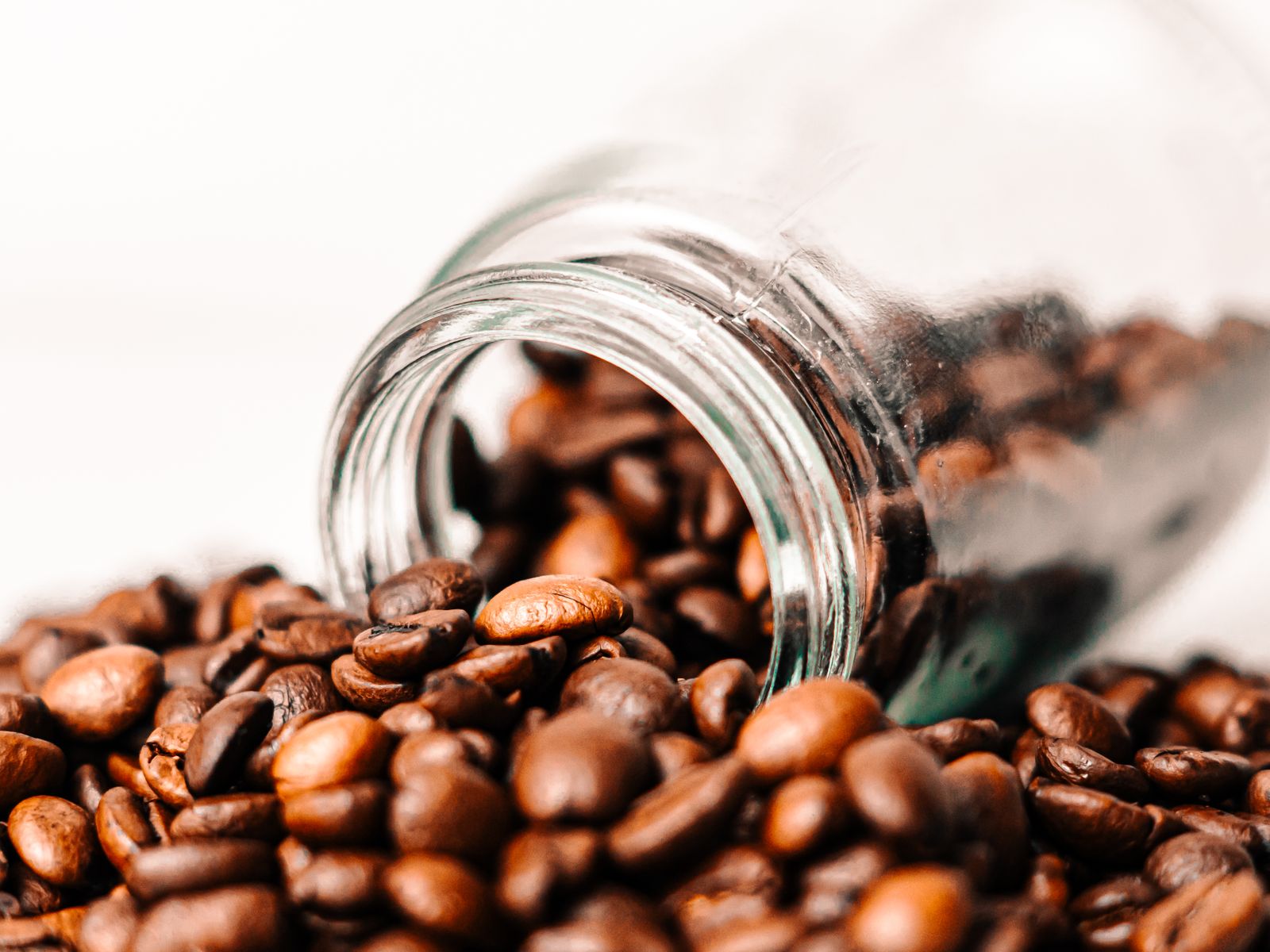
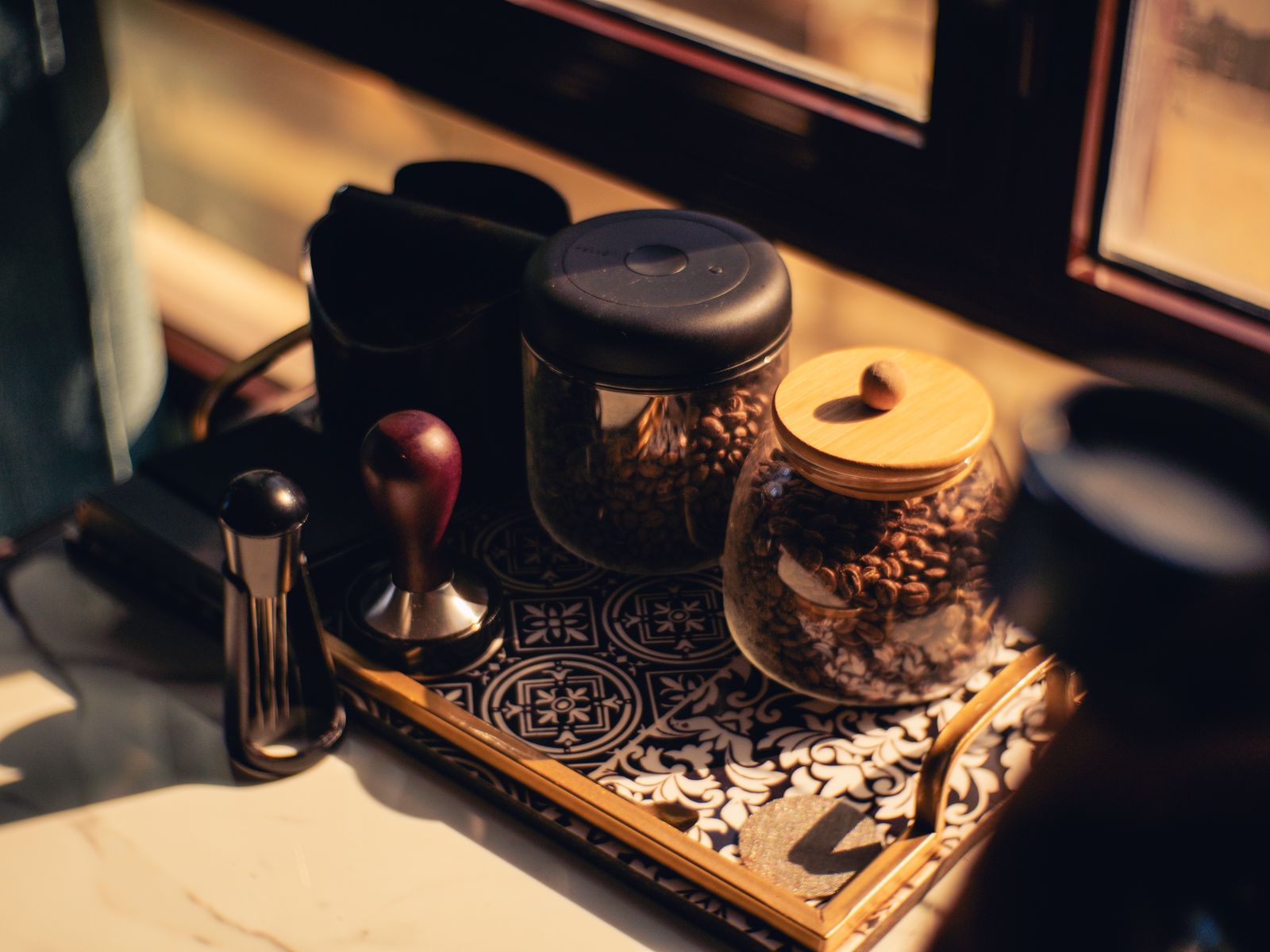
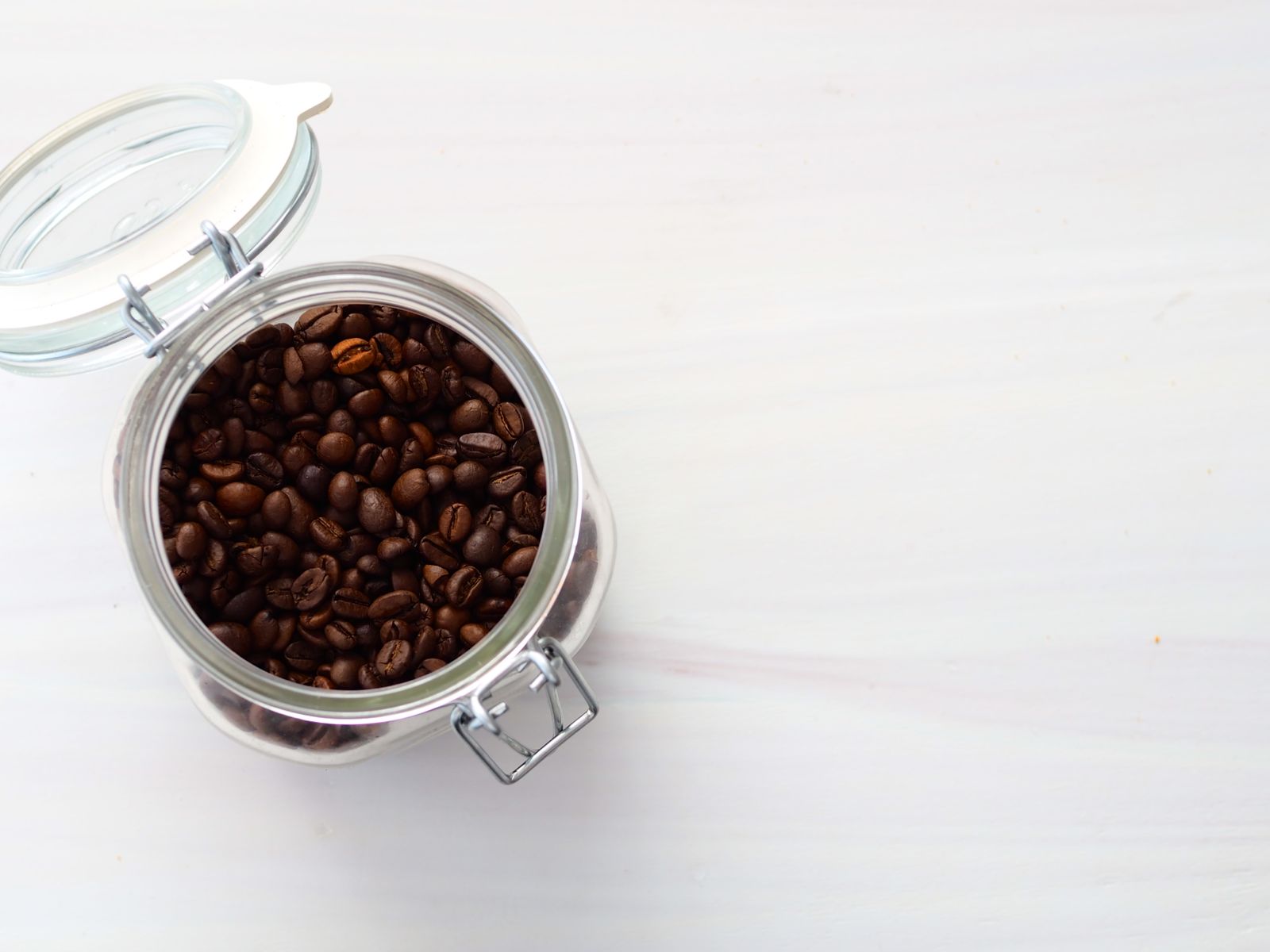
The ideal container is airtight, opaque, and non-reactive. An opaque ceramic or stainless-steel canister with a tight rubber-sealed lid checks every box and costs $15 to $30. Clear glass jars look lovely on a counter but let in light, so keep them in a cupboard if you use one.
Canisters with a one-way valve
Some canisters include a one-way valve that lets degassing CO2 escape while blocking oxygen from getting in. For very fresh beans within a week of roasting, these are genuinely useful. For most home drinkers, a simple airtight seal is more than enough.
What not to use
- The original bag left open: even resealable bags trap air and lose their seal over time.
- The fridge: it is humid and full of food odors that coffee readily absorbs.
- Clear jars on a sunny counter: light and heat speed up staling dramatically.
- The grinder hopper: beans left sitting in an open hopper stale quickly.
Where to keep your coffee
Store coffee beans in a cool, dark, dry place like a pantry or a cupboard away from the stove and oven. Aim for a stable temperature around 68 to 70°F. The cabinet next to your coffee maker is convenient, but if it sits above a heat source, move your stash somewhere cooler.
Consistency matters as much as the temperature itself. Swinging between warm and cool draws moisture in and out of the beans, so pick one steady spot and leave it there.
Should you freeze coffee beans?
Freezing is the most debated topic in coffee storage, and the honest answer is: it depends. For beans you will drink within two to three weeks, freezing is unnecessary. For long-term storage of beans you cannot finish in time, freezing works well if you do it correctly.
The key is to freeze in small, airtight, single-use portions so you never thaw and refreeze the same beans. Condensation is the enemy: let a portion come fully to room temperature before opening it, or moisture will form on the cold beans. The National Coffee Association recommends keeping beans away from air, moisture, heat, and light as the core rule, frozen or not.
Whole beans vs ground: freshness matters
Ground coffee stales far faster than whole beans because grinding exposes vastly more surface area to oxygen. A whole bean stays reasonably fresh for weeks, while ground coffee starts fading within hours. This is the strongest argument for grinding right before you brew, a point I explore in this look at whether a grinder is worth it.
If you do buy pre-ground coffee, buy smaller quantities and store it with the same care you would give whole beans. Matching your grind size to your brew method also helps you use coffee efficiently so less of it sits around going stale.
How long do coffee beans last?
Peak flavor for roasted whole beans falls roughly between 4 and 30 days after the roast date. Before day four, the beans are often still degassing and can taste slightly gassy. After about a month, the flavor gradually flattens even in perfect storage.
- Days 4 to 14: the sweet spot, with the fullest aroma and flavor.
- Days 14 to 30: still very good, flavor slowly mellowing.
- After 30 days: drinkable but noticeably duller; use it for milk-based drinks where subtlety matters less.
Always check the roast date on the bag rather than a distant best-by date. A roast date tells you what actually matters for freshness.
Buy the right amount
The simplest freshness trick is to buy only what you will drink in two to three weeks. A 12-ounce bag makes roughly 20 to 24 cups, so a household of two daily drinkers finishes one bag in about ten days. Buying in bulk feels economical, but stale coffee is a false saving.
If you find a great deal and want to stock up, that is exactly when the freezer strategy earns its keep. Portion the extra bags, freeze them, and pull one out as you finish your current supply. For more on building good habits from the start, see the beginner’s guide to better coffee at home.
Signs your coffee has gone stale
Even with good habits, it helps to recognize when coffee has passed its prime so you can adjust. Stale beans give away several clues once you know what to look for.
The first sign is aroma, or the lack of it. Fresh beans smell rich and complex the instant you open the container, while stale ones smell faint or slightly papery. The second sign shows up in the brew: fresh coffee blooms and bubbles when hot water hits the grounds, because it is still releasing CO2, whereas stale coffee sits flat with little to no bloom. Finally, the taste itself turns dull, losing the bright or sweet notes that made you buy that particular coffee in the first place.
None of these mean the coffee is unsafe to drink. Stale coffee is simply a flavor problem, not a safety one, so there is no need to throw it out. Use older beans in a milky latte or an iced drink where a slightly muted flavor is less noticeable.
A simple weekly storage routine
Good storage becomes effortless once it is a habit. When a new bag arrives, write the roast date on your canister with a dry-erase marker or a piece of tape so you always know how fresh the current batch is. Keep only your working supply in the counter canister and stash any backup bags in a cooler, darker cupboard.
Wipe the canister clean between bags to remove any stale oils that cling to the walls, and avoid topping up old beans with fresh ones, which mixes two different ages of coffee. These small steps take under a minute and protect every dollar you spend on good beans.
Storing coffee for different brew habits
How you drink your coffee can shape the smartest way to store coffee beans. If you brew a single cup each morning, a small counter canister that holds about a week’s worth keeps your beans in their freshest window without exposing a large batch to air every day. If you brew for a household or entertain often, a larger sealed canister makes sense, but resist buying more than three weeks’ worth at once.
Espresso drinkers are the exception worth noting. Espresso is especially sensitive to freshness because the pressurized extraction magnifies both good and bad flavors, so tighter storage and faster turnover pay off. However you brew, matching your storage to your real drinking pace is the habit that keeps every cup tasting its best.
The bottom line
To store coffee beans well, keep them whole, in an airtight opaque container, in a cool dark cupboard, and buy amounts you will finish within a few weeks. Do that, and every bag you open will taste the way the roaster intended. Start tonight by moving your beans out of their open bag and into a sealed jar.

Maria Peixoto writes about making great coffee at home — no expensive machines, no barista jargon, just better cups every morning. Based in Portland, Oregon.