Standing in the coffee aisle last winter, I watched a friend grab the darkest bag on the shelf because she assumed “dark” meant “strong” and therefore best. Two weeks later she admitted the coffee tasted burnt and flat, and we spent a Saturday morning tasting three roasts side by side to find what she actually liked.
Choosing the right coffee roast is less about good or bad and more about matching flavor to your taste and brew method. This guide breaks down light, medium, and dark roasts so you can shop with confidence and brew a cup you genuinely love.
What roasting actually does to the bean
Green coffee beans are dense, grassy, and nearly flavorless. Roasting applies heat over 8 to 15 minutes, driving off moisture and triggering chemical reactions that develop the aromas and flavors we recognize as coffee. The longer and hotter the roast, the darker the bean.
Roasters listen for audible “cracks” as beans expand. First crack signals a light roast is ready; pushing into and past second crack produces dark roasts. Where a roaster stops shapes everything about the final cup, from acidity to body to how much origin character survives.
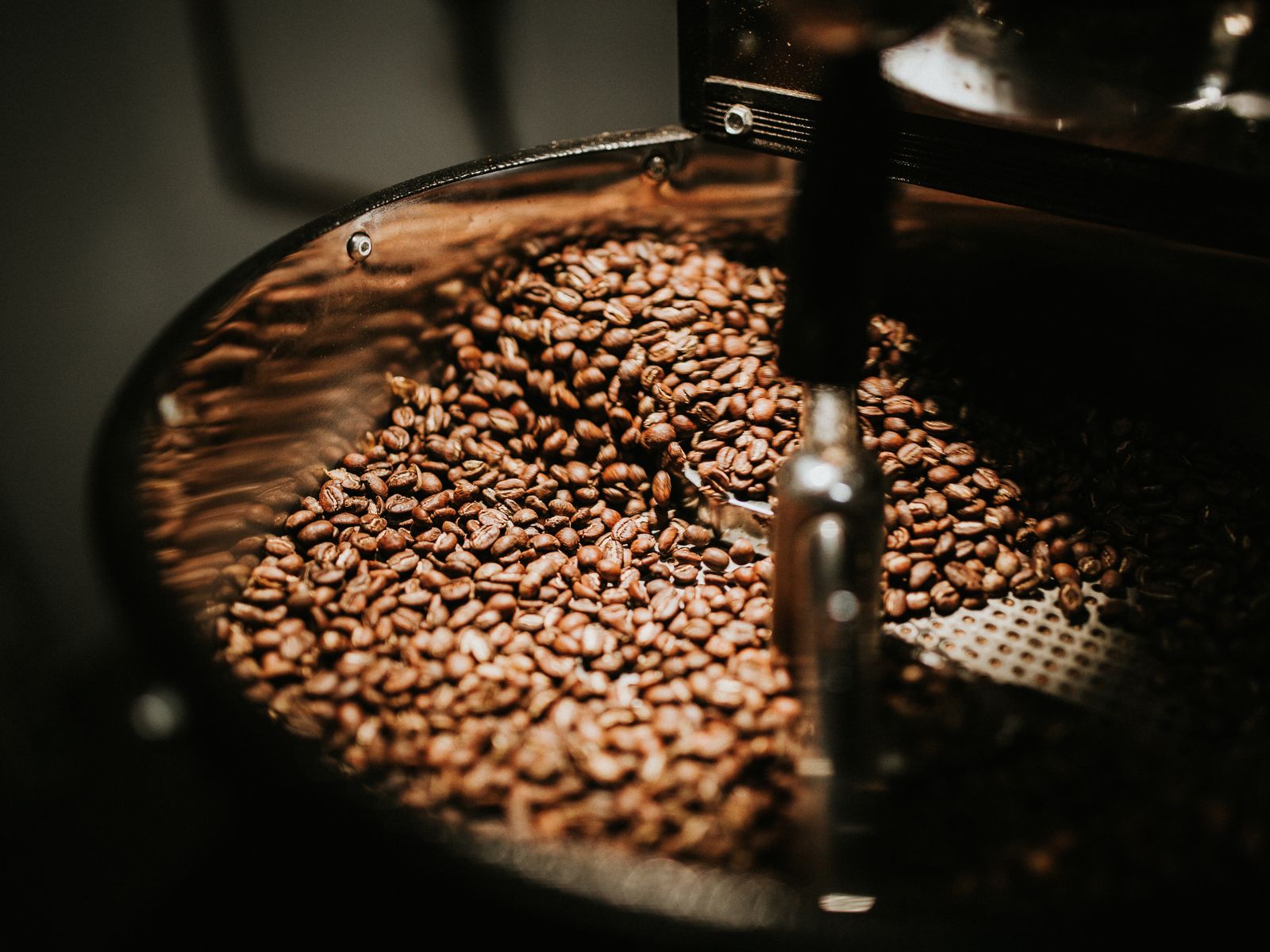
Light roast: bright, delicate, and origin-forward
Light roasts are pulled shortly after first crack, so they keep the most of the bean’s original character. Expect bright acidity, fruity or floral notes, and a lighter body. These roasts show off where the coffee was grown, which is why single-origin beans are often roasted light.
Contrary to popular belief, light roasts actually contain slightly more caffeine by volume than dark roasts, since caffeine burns off during longer roasting. If you love tea-like clarity and complex flavors, start here. Light roasts shine in pour over and other filter methods that highlight subtlety.
Medium roast: the crowd-pleasing middle
Medium roasts sit in the sweet spot between brightness and body. Acidity mellows, sweetness develops, and you get balanced notes of caramel, nuts, and chocolate. This is the classic American breakfast roast for a reason: it is approachable and versatile.
If you are not sure what you like yet, a medium roast is the safest bet. It works well across nearly every brew method, takes milk gracefully, and rarely tastes harsh. Many beginners find their footing here before exploring lighter or darker extremes.
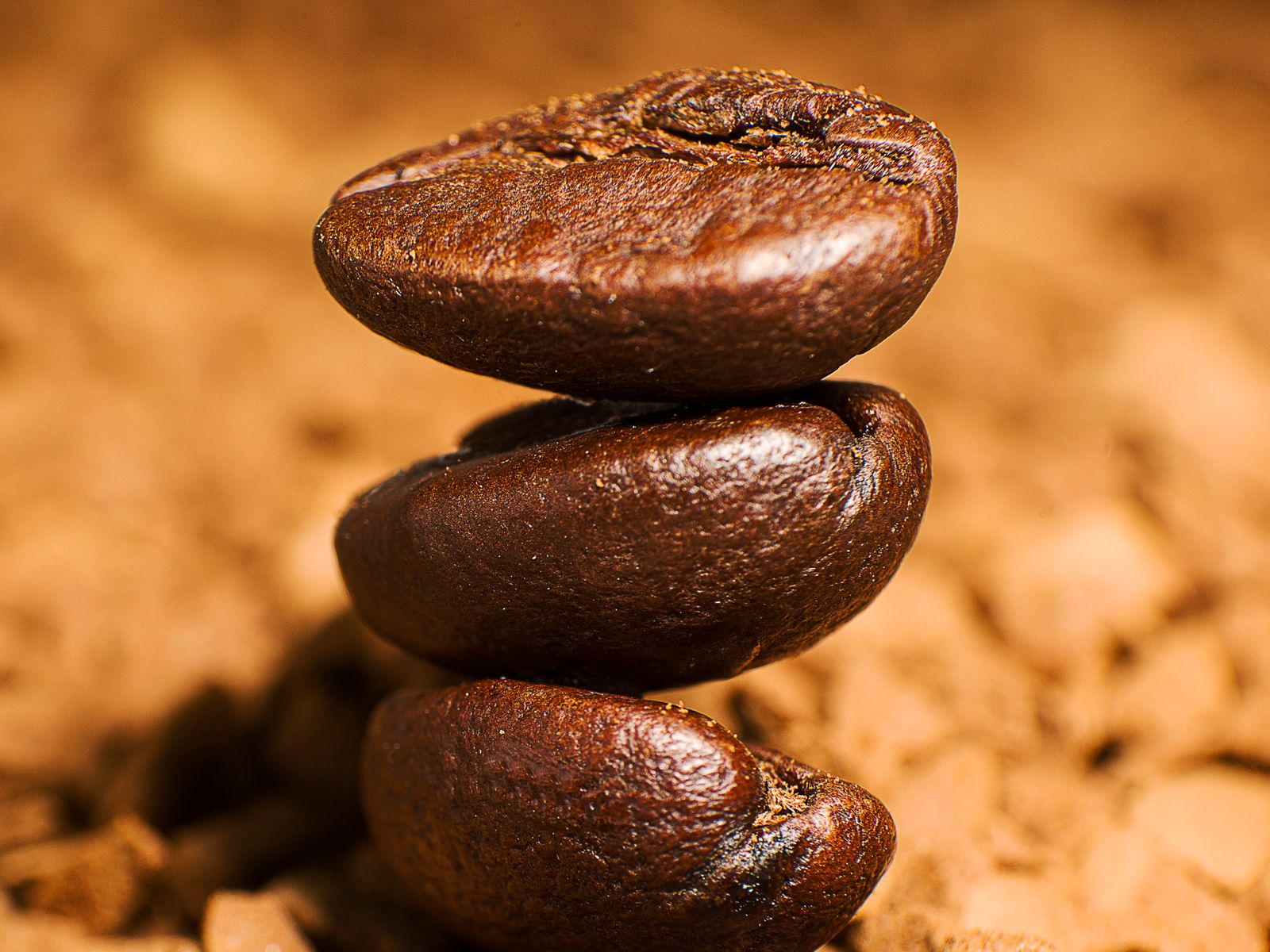
Dark roast: bold, smoky, and low-acid
Dark roasts are taken well past first crack, developing deep, roasty flavors of dark chocolate, toasted nuts, and sometimes a smoky edge. Origin character mostly fades, replaced by the taste of the roast itself. Acidity drops, and body feels heavy and rich.
This is the traditional style for espresso and for anyone who takes their coffee with plenty of milk and sugar. If you found lighter coffees too sour or thin, a dark roast may feel much more satisfying. Just watch for beans roasted so far they taste purely of char.
Matching roast to your brew method
Roast level and brew method work as a team. Here is a quick pairing guide to get you started:
- Pour over & drip: light to medium, to showcase clarity and nuance.
- French press: medium to dark, for a full, rounded body.
- Espresso & moka pot: medium-dark to dark, for bold shots and crema.
- Cold brew: medium to dark, for smooth, low-acid results.
These are starting points, not rules. Plenty of people love a light roast in a French press or a medium roast pulled as espresso. Use the pairings to narrow choices, then trust your own palate.
How to read a coffee bag label
A good bag tells you more than just the roast level. Look for a roast date, since coffee is best within three to four weeks of roasting. Check for origin, tasting notes, and process, which all hint at what the cup will taste like.
Be a little skeptical of vague words like “smooth” or “bold” on grocery brands, which often lack a roast date entirely. A named origin and a recent roast date are the strongest signals that you are buying fresh, quality coffee worth your money.
Common myths about coffee roast levels
The biggest myth is that dark roast is stronger or has more caffeine. In truth, “strength” describes flavor intensity, not caffeine, and lighter roasts hold onto marginally more caffeine because heat destroys it over time. If you want a bigger caffeine kick, focus on your coffee-to-water ratio, not the color of the bean.
Another myth is that darker equals lower quality, or that lighter equals fancy and pretentious. Both extremes can be brilliant or terrible depending on the beans and the skill of the roaster. A carelessly scorched dark roast and a grassy, underdeveloped light roast are both disappointing, so judge the cup, not the category.
Finally, do not assume oily beans are always better. A slick, shiny surface is normal on many dark roasts but can also signal beans that are past their prime. Fresh beans of any roast level taste noticeably better than stale ones, which brings us to the single most important habit.
Building your own roast preference over time
Your palate is not fixed. Many people start out loving sweet, milky dark roasts and gradually drift toward brighter, more complex mediums and lights as they drink more coffee black. There is no correct destination, only the roast that makes you happy in the moment.
Keep a simple tasting note on your phone whenever you try a new bag: the roast level, origin, how you brewed it, and one word for how it tasted. After a month you will spot patterns, like a love of chocolatey Brazilians or a weakness for fruity Ethiopian light roasts. That record turns guesswork into confident shopping.
Most of all, buy in small quantities and taste often. Roast preference is a journey, and half the fun is discovering the exact cup that feels like it was made for you.
Storing and using each roast at its best
Once you have chosen a roast, a few small habits protect the flavor you paid for. Keep beans in an airtight container away from light, heat, and moisture, and never store them in the fridge, where condensation and food odors do real damage. A cool, dark cupboard is ideal for every roast level.
Grind only what you need right before brewing, because ground coffee stales within minutes to hours as it loses aromatic oils. This matters most for delicate light roasts, whose subtle floral and fruit notes fade fastest, but even a robust dark roast tastes fresher when ground on demand.
Finally, match your water temperature to the roast. Lighter roasts are denser and generally like hotter water around 200 to 205°F to extract fully, while darker roasts dissolve more easily and can turn bitter above 200°F, so dialing back a few degrees keeps them smooth. Small adjustments like these let each roast show its best side in the cup.
Quick answers to common roast questions
Is a darker roast always more bitter? Not necessarily, but it leans that way. A skilled roaster can produce a smooth, sweet dark roast, yet pushed too far any bean turns ashy and bitter, so freshness and roasting care matter more than color alone.
Which roast is best for adding milk? Medium-dark and dark roasts hold up best under milk because their bold, chocolatey flavors cut through creaminess, while a delicate light roast can get lost. That is exactly why cafés reach for darker beans in lattes and cappuccinos.
Can I mix roasts? Absolutely. Blending a bright light roast with a rich dark one is a fun way to build your own house blend and understand how each level contributes body, sweetness, and acidity to the finished cup.
The bottom line
There is no single best coffee roast, only the roast that fits your taste and how you brew. Light means bright and complex, medium means balanced and easy, and dark means bold and low-acid.
Your practical next step: buy one small bag each of a light, medium, and dark roast, then brew them the same way over a week and note which you reach for. To go deeper, our guide to storing coffee beans keeps whatever you pick fresh, the grind size guide helps you dial each roast in, and better coffee at home ties it all together. For roasting standards and definitions, the National Coffee Association is a reliable reference.
Maria Peixoto writes about making great coffee at home — no expensive machines, no barista jargon, just better cups every morning. Based in Portland, Oregon.