For two years I made pour-over coffee with a regular kitchen kettle, sloshing water everywhere and wondering why my cups came out uneven. The morning I switched to a gooseneck kettle, my coffee got noticeably better before I changed a single other thing.
So do you really need a gooseneck kettle? The honest answer is that it depends entirely on how you brew. This guide breaks down what a gooseneck actually does, who genuinely benefits, who can skip it, and how to choose one without overspending.
What a gooseneck kettle actually does
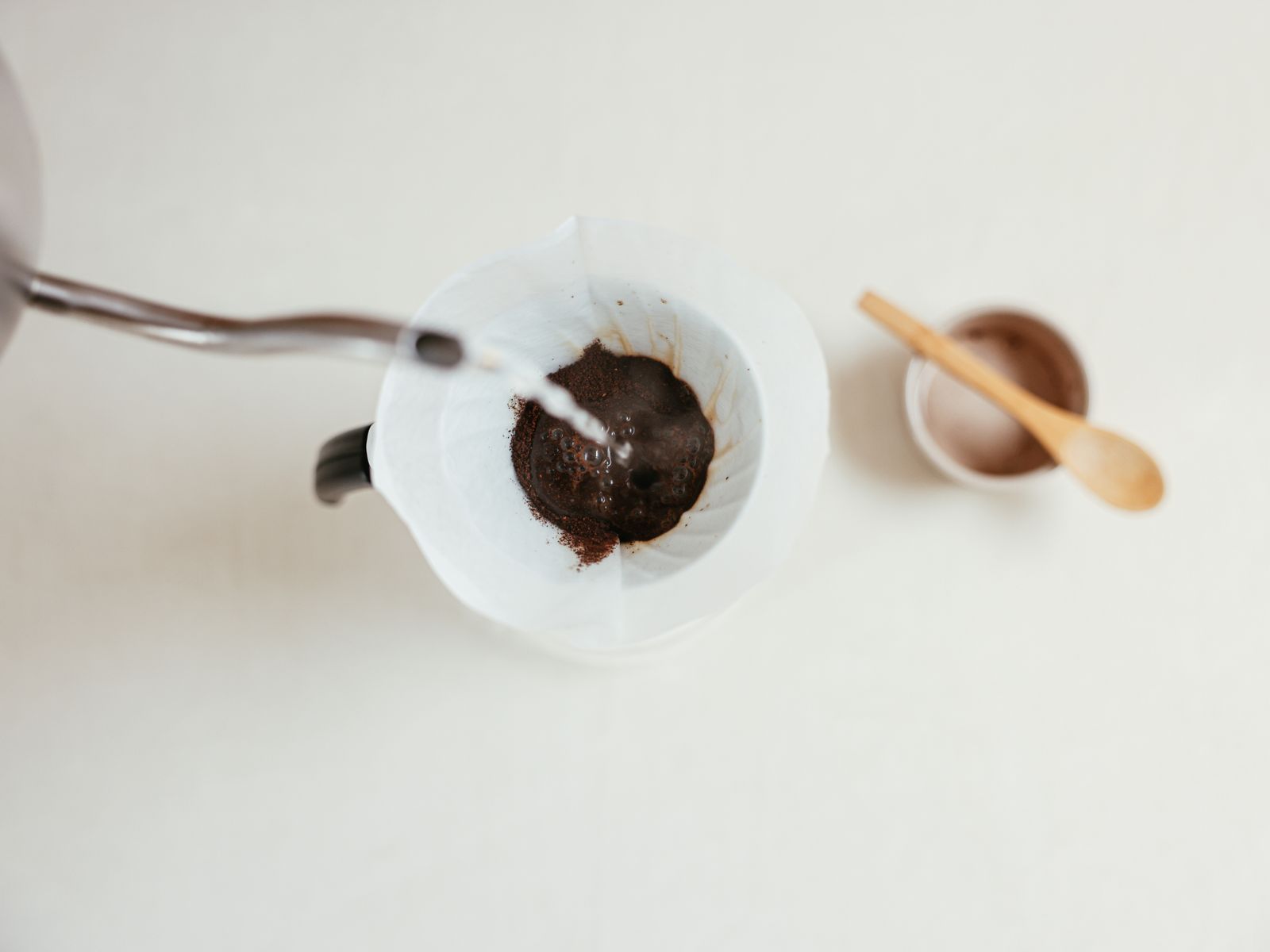
A gooseneck kettle has a long, narrow, curved spout that gives you precise control over exactly where the water lands and how fast it pours. Instead of a wide gush, you get a thin, steady stream you can aim and slow down at will.
That control matters most for methods where you pour water over grounds by hand. Being able to saturate the coffee bed evenly, in slow circles, is the whole point, and a standard kettle simply cannot do it.
Who genuinely needs one
If you brew with any of these methods, a gooseneck kettle will meaningfully improve your results.
- Pour-over cones like the V60 or Kalita Wave, where pour control defines the extraction.
- Chemex brewing, which rewards a slow, even saturation.
- The inverted or standard AeroPress, if you like a controlled pour.
For manual brewing, the gooseneck is the single piece of gear that most improves consistency. If you have been frustrated by sour or uneven pour-over coffee, an uncontrolled pour from a wide spout is very often the culprit.
Who can skip it
Not everyone needs one, and it is worth being honest about that. If you brew exclusively with an automatic drip machine, a French press, or a moka pot, the water never touches your hands, so a gooseneck adds nothing to your cup.
In those cases your money is better spent elsewhere, like on a good grinder or fresher beans. My roundup of the best coffee gear for beginners under $50 covers where those dollars go furthest.
Gooseneck kettle features to consider
Stovetop vs electric
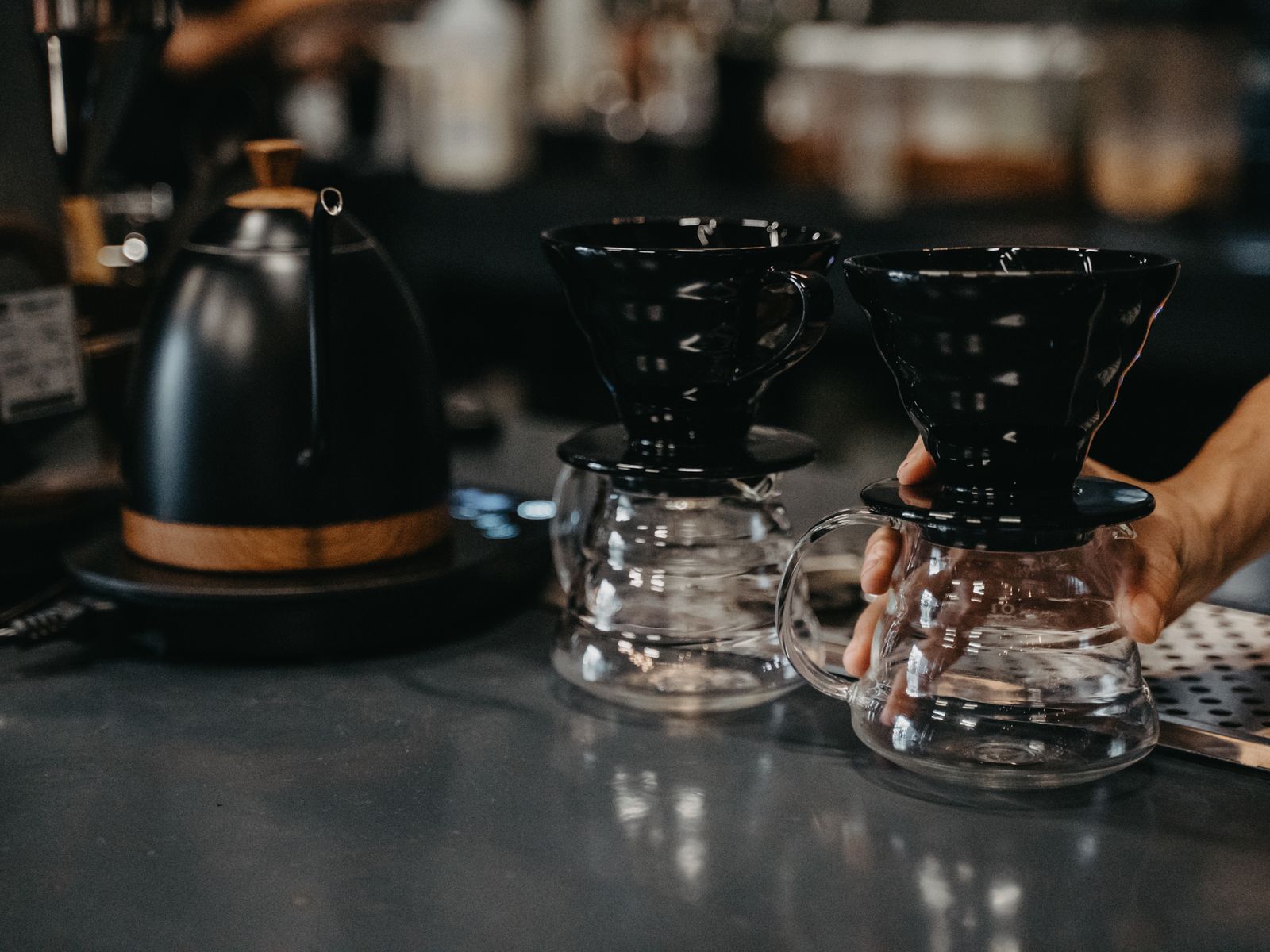
A stovetop gooseneck kettle is the budget choice, usually $25 to $40, and works on any burner. An electric gooseneck costs more, from about $60 up, but heats faster and frees up a burner. Both pour equally well.
Temperature control
Higher-end electric models let you set a precise temperature, which is genuinely useful because brewing water should sit around 195 to 205°F. On a budget, you can skip this feature and simply boil, then wait 30 seconds off the heat to land in the right range.
Build and capacity
Look for stainless steel, a comfortable handle, and a capacity around 0.8 to 1 liter, which is plenty for one or two cups. A slightly weighted base makes the slow pour easier to control.
How to pour with a gooseneck
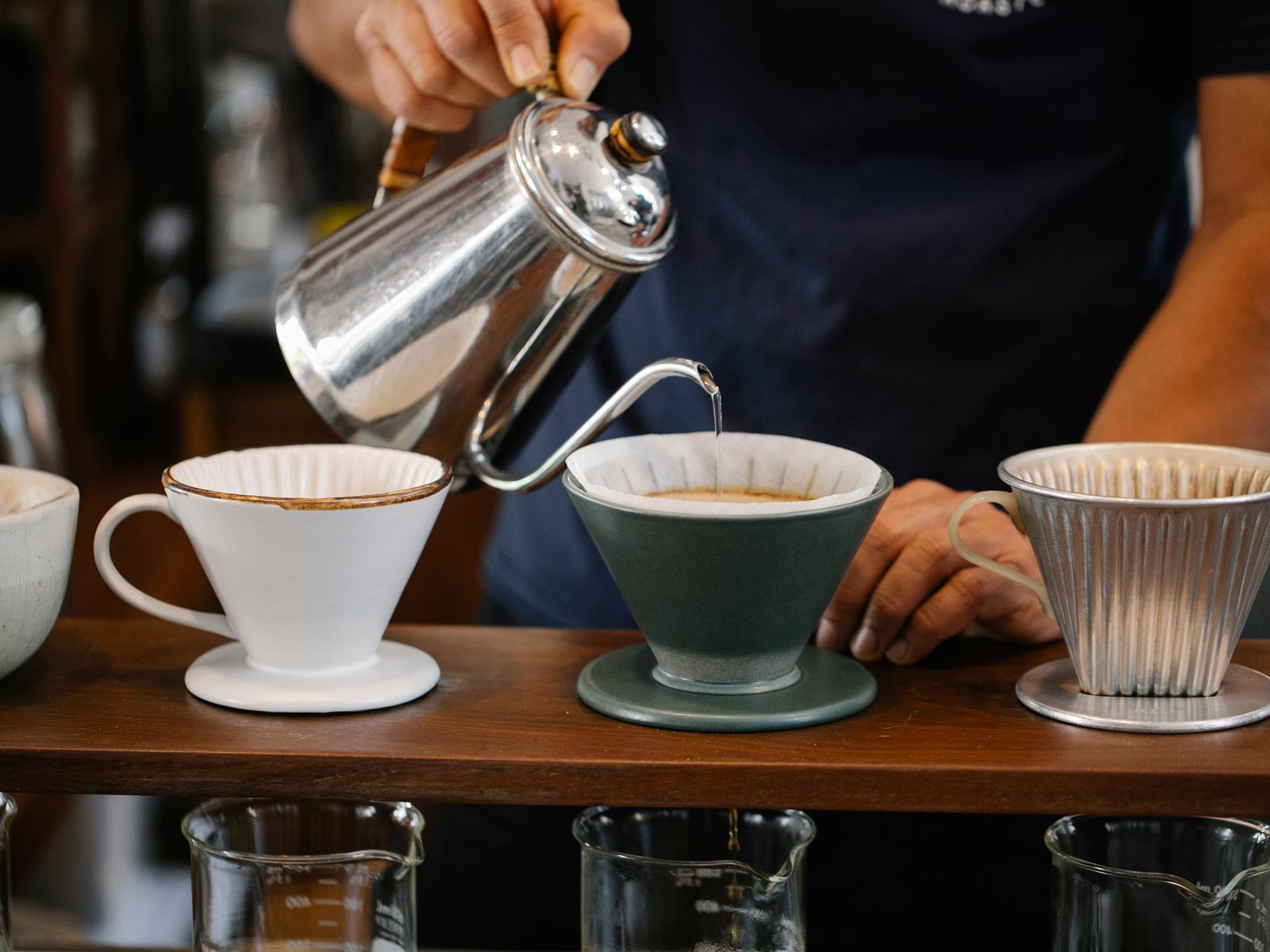
The technique is simple once you have the right tool. Start with a small pour to wet all the grounds and let them bloom for 30 to 45 seconds, then pour in slow, steady spirals from the center outward.
- Bloom: pour twice the weight of the coffee in water and wait.
- Pour in slow concentric circles, keeping the stream thin.
- Avoid pouring directly onto the filter walls.
- Aim for a total brew time of 2.5 to 3.5 minutes.
Do you need temperature control too?
Precise temperature helps, but it is a luxury, not a necessity. The National Coffee Association recommends brewing water between about 195 and 205°F, and you can hit that range reliably with the boil-and-wait method and a cheap kettle thermometer.
If you are choosing between a fancy temperature-controlled kettle and upgrading your grinder, the grinder almost always wins. The difference between a burr and a blade grinder affects flavor far more than a few degrees of water temperature.
Budget picks and what to expect
A simple stovetop gooseneck in the $25 to $35 range is all most home brewers ever need. It will not have a temperature readout, but paired with a thermometer it performs just like kettles costing three times as much for the part that matters: the pour.
Spend up only if you brew daily and value the convenience of set-and-forget temperature and faster electric heating. For occasional weekend pour-overs, the basic model is the smart buy.
Common questions about gooseneck kettles
A few questions come up again and again when people are deciding whether to buy one, so here are the honest answers.
Will a gooseneck kettle make my coffee taste better on its own? Not by magic, but it lets you brew more evenly, which usually means a sweeter, more balanced cup with fewer bitter or sour patches. The improvement comes from the control it gives you, not the kettle itself.
Can I use it for tea? Absolutely. A gooseneck is excellent for pouring over delicate teas and for anything that benefits from a precise, gentle stream, so it rarely sits idle even in a home that drinks more tea than coffee.
Is the spout hard to clean? The narrow spout looks like it might trap grime, but since you only ever run clean water through it, it stays clean with an occasional rinse and a descale every couple of months if you have hard water.
Caring for your kettle
A gooseneck kettle needs almost no maintenance, but a little care keeps it pouring cleanly for years. Empty it after each use rather than leaving water sitting inside, which prevents mineral buildup and any metallic taste.
Every month or two, especially in hard-water areas, descale it by boiling a mix of equal parts water and white vinegar, letting it sit for fifteen minutes, then rinsing thoroughly. For electric models, avoid submerging the base, and simply wipe it with a damp cloth. That is the entire routine, and it takes only a few minutes.
Is it worth it for a beginner?
If you are just starting out and already plan to brew pour-over, buying a budget gooseneck kettle early actually saves money, because you skip the frustrating months of fighting a wide-spouted kettle and the temptation to blame your beans or technique. Learning good pouring habits from day one makes everything that follows easier.
That said, there is no shame in starting with what you own. If you already have a regular kettle, brew with it for a few weeks first. If uneven pours are holding you back, that is your signal that a gooseneck is the next upgrade worth making.
Gooseneck vs standard kettle: the real difference
It helps to picture the two side by side. A standard kettle is built to boil water fast and dump it quickly, which is perfect for tea bags or filling a French press but hopeless for a controlled pour. The wide spout releases a heavy surge the moment you tip it, flooding one side of the coffee bed and leaving dry pockets elsewhere.
A gooseneck kettle flips that experience. The narrow spout meters the flow so you decide the pace, and the curved shape keeps the stream landing exactly where you point it. That difference is why so many people describe the switch as the moment their pour-over finally clicked. If your brewing depends on the pour, the gooseneck earns its small price many times over.
The bottom line
If you brew pour-over or Chemex, a gooseneck kettle is one of the best small upgrades you can make, and an affordable stovetop model delivers nearly all the benefit. If you only use automatic or immersion methods, save your money. Match the tool to how you actually brew, and start with the cheapest gooseneck that fits your stove.

Maria Peixoto writes about making great coffee at home — no expensive machines, no barista jargon, just better cups every morning. Based in Portland, Oregon.