The first time you stand in front of a wall of specialty coffee bags, the labels can feel like a foreign language: washed, natural, single origin, tasting notes of “stone fruit and cane sugar.” Choosing your first bag of specialty coffee is easier than it looks once you know which four things actually matter.
You don’t need to memorize origins or become a taster overnight. You just need a roast date, a roast level you enjoy, a flavor direction, and a shop you trust. Let’s walk through each one.
What “specialty coffee” actually means
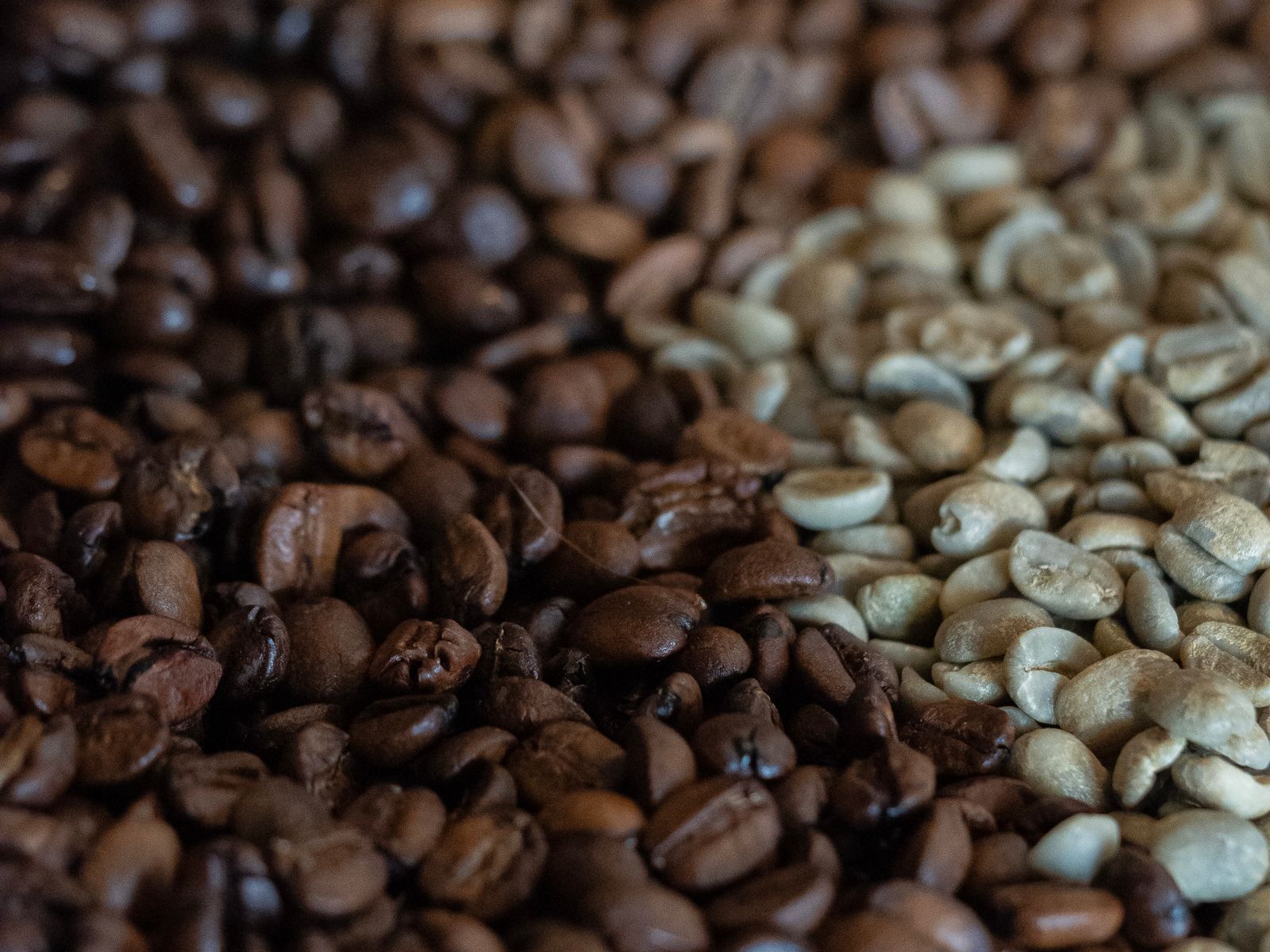
Specialty coffee isn’t just marketing. It refers to beans that score 80 points or higher on a 100-point scale used by trained graders, reflecting careful growing, harvesting, and roasting.
In practice that means fresher beans, more transparency about where they came from, and more distinct flavors than commodity supermarket coffee. You’ll usually pay $15 to $22 for a 12-ounce bag, which still works out to well under a dollar per cup at home.
Start with the roast date, not the “best by” date
The single most important thing on any bag of specialty coffee is the roast date. Coffee is freshest and tastes best from about 4 days to 4 weeks after roasting.
Skip anything that only shows a “best by” date a year out, which usually signals older, mass-roasted beans. Look for a clearly printed roast date and buy a bag roasted within the last week or two. Learning to decode the rest of the label helps too, and our guide on how to read a bag of coffee covers every field in detail.
Choosing a roast level you’ll enjoy
Roast level shapes flavor more than origin for most beginners. Here’s the quick version so you can pick with confidence.
- Light roast: bright, fruity, tea-like, with the most origin character. Great for pour-over.
- Medium roast: balanced, sweet, approachable. The safest first choice for most people.
- Dark roast: bold, smoky, low acidity. Familiar if you like classic diner or espresso flavors.
If you’re unsure, start medium and adjust from there. Our deeper dive into choosing the right roast for your taste walks through how each level brews.
Reading tasting notes without overthinking
Those “notes of blueberry and dark chocolate” don’t mean anything was added. They describe flavors the roaster tasted, and they’re a rough compass, not a promise.
As a beginner, use notes to pick a direction. Fruity and floral notes point to lighter, brighter coffees; chocolate, nut, and caramel notes point to rounder, sweeter, more comforting cups. Choose whichever sounds good to you and you’ll rarely go wrong.
Whole bean vs pre-ground for your first bag
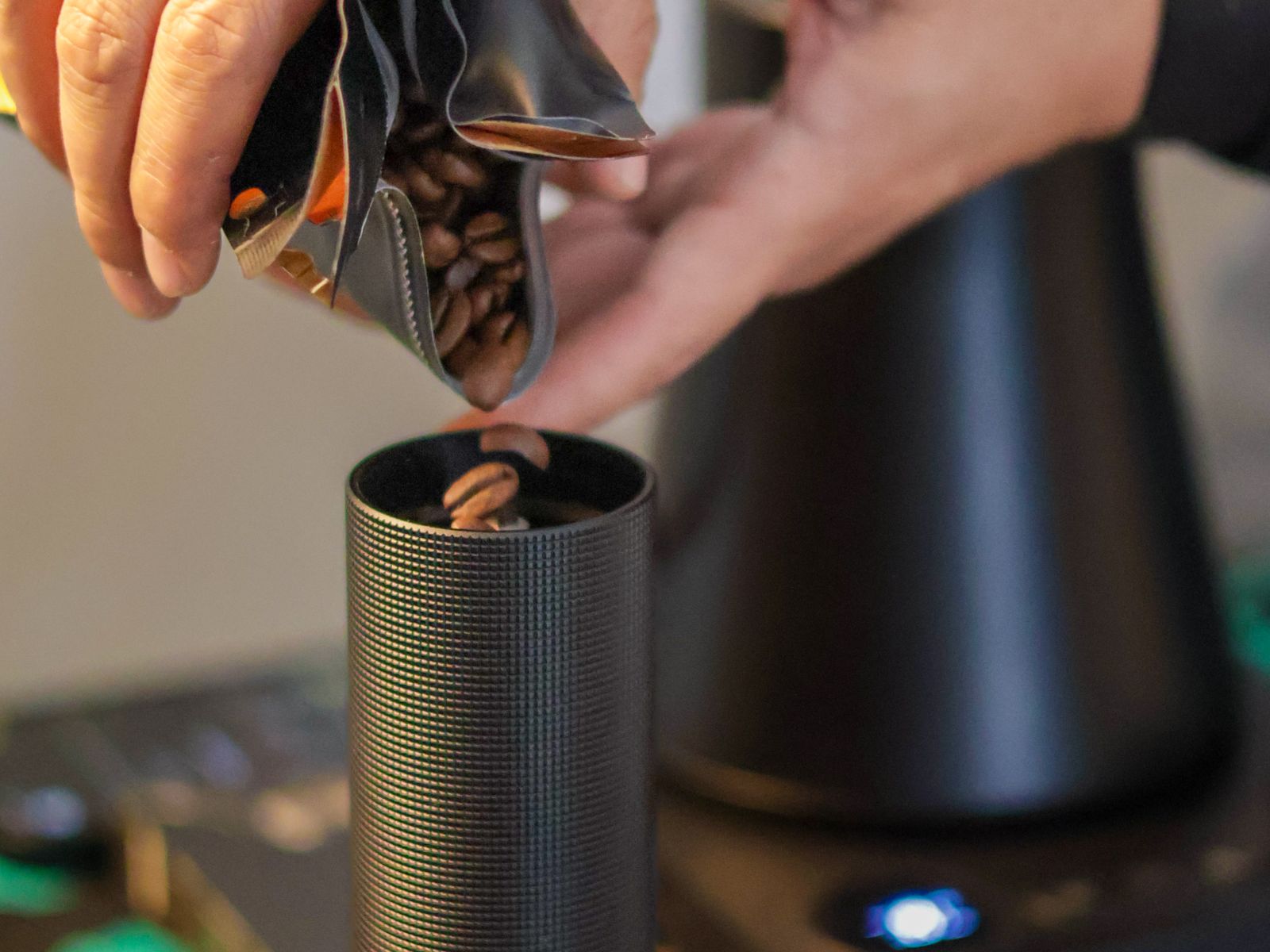
Whenever possible, buy whole beans and grind them right before brewing. Ground coffee goes stale within days as more surface area meets air, and freshness is most of what you’re paying for with specialty coffee.
A basic burr grinder in the $30 to $50 range makes a bigger difference than almost any other upgrade. If you’re brewing pour-over, a consistent grind is essential, as our step-by-step pour-over guide explains.
Where to buy and how much to buy
Local roasters are your best bet for a first bag of specialty coffee, since turnover is fast and staff can steer you. Many roasters also ship fresh within days of roasting if you don’t have one nearby.
Buy small at first: a single 12-ounce bag is about two weeks of daily coffee for one person, which keeps your beans fresh while you learn what you like. The Specialty Coffee Association is a good resource if you want to go deeper on grading and standards.
Frequently asked questions about specialty coffee
Is specialty coffee worth the higher price?
For most home brewers, yes. Even at $20 a bag, you’re paying roughly 60 to 80 cents per cup, far less than a café, for noticeably fresher and more flavorful coffee. The jump from stale supermarket beans is usually obvious in the first cup.
How should I store my first bag?
Keep beans in an airtight container away from light, heat, and moisture, and use them within about a month. Don’t freeze a bag you’re drinking daily; freezing is only for long-term storage of unopened coffee.
What if I don’t like my first bag?
Note what you didn’t like, too sour, too bitter, too intense, and adjust the next one. Roasters expect questions, so tell them what you tried and they’ll point you somewhere better suited to your taste.
Your next step
This week, find a local roaster or a well-reviewed online one, pick a medium-roast bag with a roast date in the last two weeks, and choose tasting notes that sound appealing. Buy one 12-ounce bag of specialty coffee, brew it fresh, and pay attention to what you enjoy. That single habit will teach you more than any guide.
Maria Peixoto writes about making great coffee at home — no expensive machines, no barista jargon, just better cups every morning. Based in Portland, Oregon.