You followed the recipe, but the cup in your hands tastes sharp and sour, or heavy and bitter, and you can’t figure out why. Pour-over troubleshooting is less about talent and more about reading two or three signals and adjusting one thing at a time.
The good news: almost every bad pour-over comes down to a handful of fixable causes. Once you learn to tell sour from bitter, you can steer any brew back to sweet and balanced in a session or two.
Sour vs bitter: the first step in pour-over troubleshooting
Before you change anything, taste carefully. Sour, sharp, or lemony flavors that make your jaw tense usually mean under-extraction: you pulled too little from the grounds. Harsh, dry, ashy bitterness usually means over-extraction: you pulled too much.
This single distinction points you toward the fix. Under-extracted coffee needs more contact, more heat, or a finer grind. Over-extracted coffee needs the opposite. Almost everything below flows from that one read.
Grind size is usually the culprit
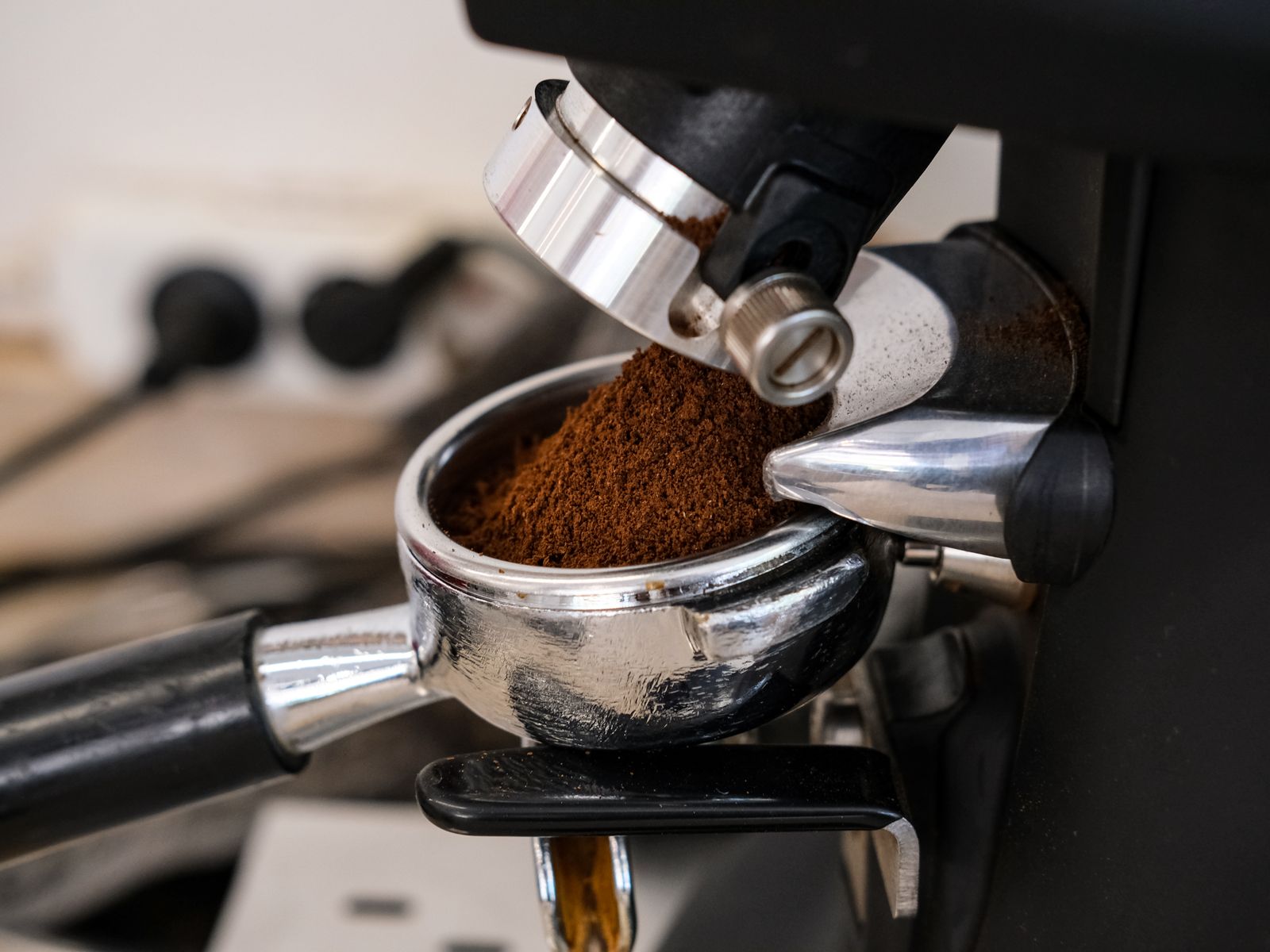
Grind is the biggest lever you have. Too coarse and water rushes through without extracting enough, giving you that sour, weak, watery cup. Too fine and water stalls, over-extracting into bitterness.
Aim for a medium grind that feels like coarse sand for a standard cone. If your brew ran fast (under 2:30 for a single cup) and tastes sour, go one step finer. If it dripped slowly (over 3:30) and tastes bitter, go coarser. A quality burr grinder makes these tweaks consistent, and our guide to grind size for each brew method breaks down the settings.
Water temperature and why it matters
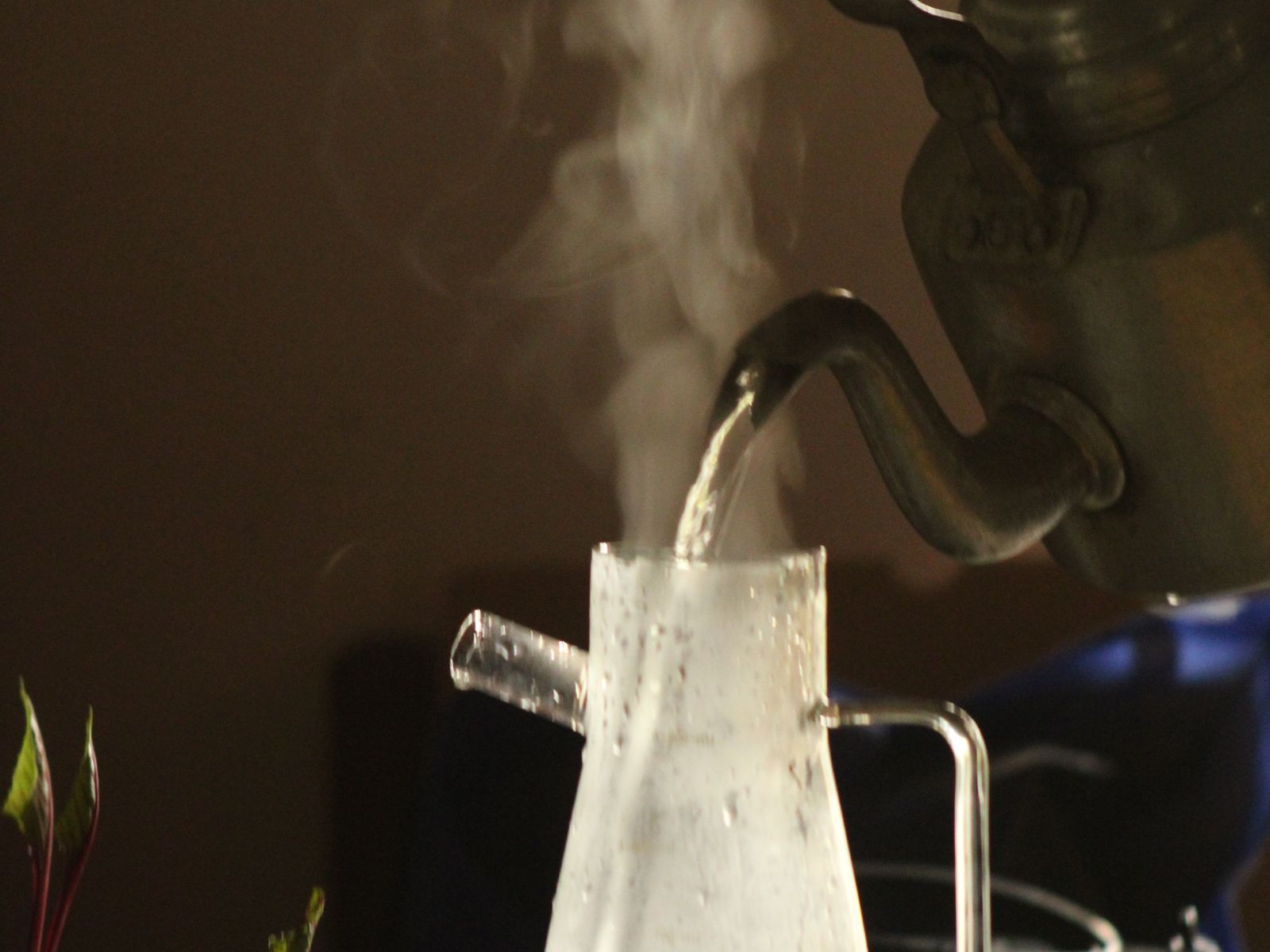
Water that is too cool under-extracts and tastes sour; water that is too hot scorches and turns bitter. The sweet spot for pour-over is 195°F to 205°F, or about 200°F for most coffees.
No thermometer? Bring water to a boil, then let it rest 30 to 45 seconds before pouring. Lighter roasts like the hotter end of the range, while darker roasts do better a few degrees cooler to tame their natural bitterness.
Check your ratio and your pour
A weak, thin cup is often just too little coffee. Start from a 1:16 ratio, meaning 1 gram of coffee for every 16 grams of water, so 25 grams of coffee to 400 grams of water for a large cup. Weigh it if you can; guessing is where most inconsistency hides.
How you pour matters too. Start with a 30 to 45 second bloom, pouring just enough water to wet the grounds and let them release gas. Then pour in slow, steady spirals rather than dumping. If you want to nail your numbers, see our coffee-to-water ratio guide.
A quick pour-over troubleshooting checklist
When a cup tastes off, run through these in order and change only one variable per brew:
- Taste it: sour means under-extracted, bitter means over-extracted.
- Time it: aim for 2:30 to 3:30 total for a single cup.
- Adjust grind: finer for sour, coarser for bitter.
- Check temp: around 200°F, cooler for dark roasts.
- Confirm ratio: start at 1:16 and weigh your dose.
- Watch your pour: bloom first, then slow spirals.
Don’t overlook your beans and water
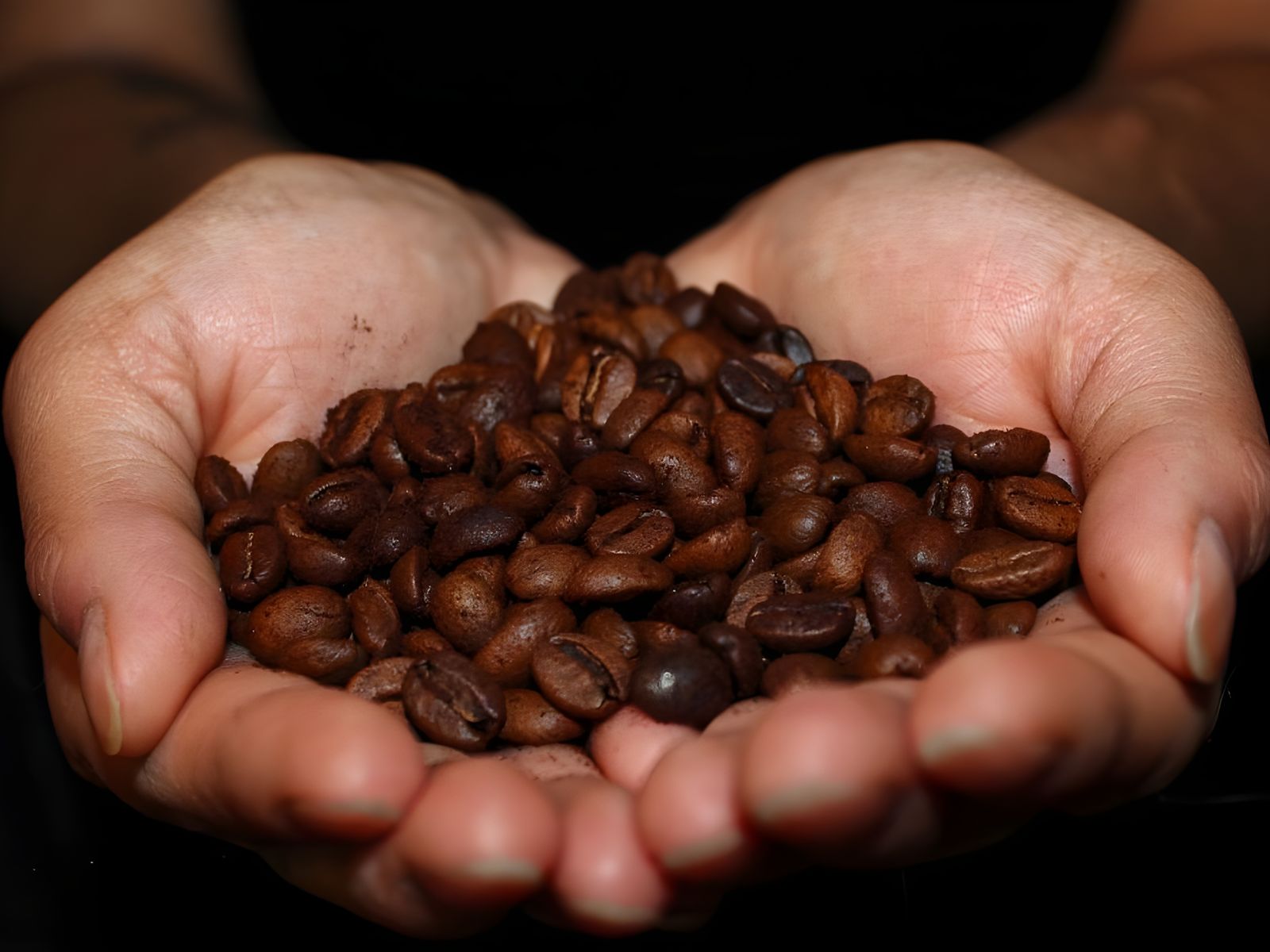
Sometimes the brew is fine and the ingredients are the problem. Stale beans taste flat and dull no matter how well you brew, so use coffee within a month of its roast date and grind right before brewing.
Water is the other hidden factor, since coffee is about 98% water. Hard, heavily mineralized, or strongly chlorinated tap water can mute sweetness and add off flavors. Filtered water often fixes a cup that seems stubbornly bitter. The Specialty Coffee Association publishes detailed water standards for exactly this reason.
Dialing in a repeatable cup
Consistency comes from changing one thing at a time and taking a quick note. If you adjust grind, temperature, and ratio all at once, you’ll never know which move helped.
Keep your dose and water weight fixed for a few days and only move the grind. Once the sourness or bitterness is gone, lock that setting in. A grind that fits your roast and equipment is more reliable than chasing the “perfect” recipe from a video.
Frequently asked pour-over troubleshooting questions
Why does my pour-over taste watery?
Watery coffee almost always means under-extraction or too little coffee. Try a finer grind, a hotter pour near 205°F, and confirm you’re using a full 1:16 ratio rather than eyeballing the scoop.
Why is my pour-over so slow to drain?
A slow drain usually points to a grind that’s too fine, which clogs the filter and over-extracts. Go a step coarser and pour more gently so you’re not agitating the bed into a dense sludge.
Do I really need a gooseneck kettle?
You don’t need one to start, but a gooseneck gives you the slow, controlled pour that fixes a lot of channeling and uneven extraction. It’s one of the higher-impact upgrades for pour-over specifically.
Your next brew
Next time your pour-over tastes off, don’t toss the whole method. Taste for sour or bitter, change one variable, and brew again. Within a few cups you’ll have a grind and ratio dialed to your beans, and pour-over troubleshooting will become a 10-second habit instead of a mystery.

Maria Peixoto writes about making great coffee at home — no expensive machines, no barista jargon, just better cups every morning. Based in Portland, Oregon.