You buy a box of paper filters, run out on a Sunday morning, and suddenly your beautiful pour-over is on hold for a coffee run. That small frustration is exactly why so many home brewers switch to reusable coffee filters, which pay for themselves in a couple of months and never leave you stranded.
Reusable filters also change how your coffee tastes, usually for the richer, and they cut a surprising amount of waste. Let’s look at the main types, how to use each one, and how to keep them from getting funky.
Why switch to reusable coffee filters?
The math is simple. A box of 100 paper filters runs about $6 to $10, and a daily drinker burns through several boxes a year. A single metal or cloth filter costs $8 to $20 once and lasts for years.
Beyond cost, reusable filters let more of the coffee’s natural oils through, giving you a fuller, heavier body. They also mean less packaging waste, which adds up fast when you brew every day.
The main types of reusable filters
There are three common styles, and each brews a slightly different cup. Here’s how they compare so you can pick the right one.
- Metal (stainless steel) filters: $8 to $20, let oils and fine particles through for a bold, full-bodied cup. The most popular of the reusable coffee filters.
- Cloth filters: $10 to $18, produce a remarkably clean yet rich cup, somewhere between paper and metal. They need the most care.
- Plastic mesh baskets: often included with drip machines, budget-friendly and durable, though of the reusable coffee filters they let the most sediment through.
If you’re building out a home setup on a budget, a metal filter is one of the higher-value picks. Our roundup of cheap coffee upgrades that make the biggest difference covers where it fits.
How to use a reusable metal filter
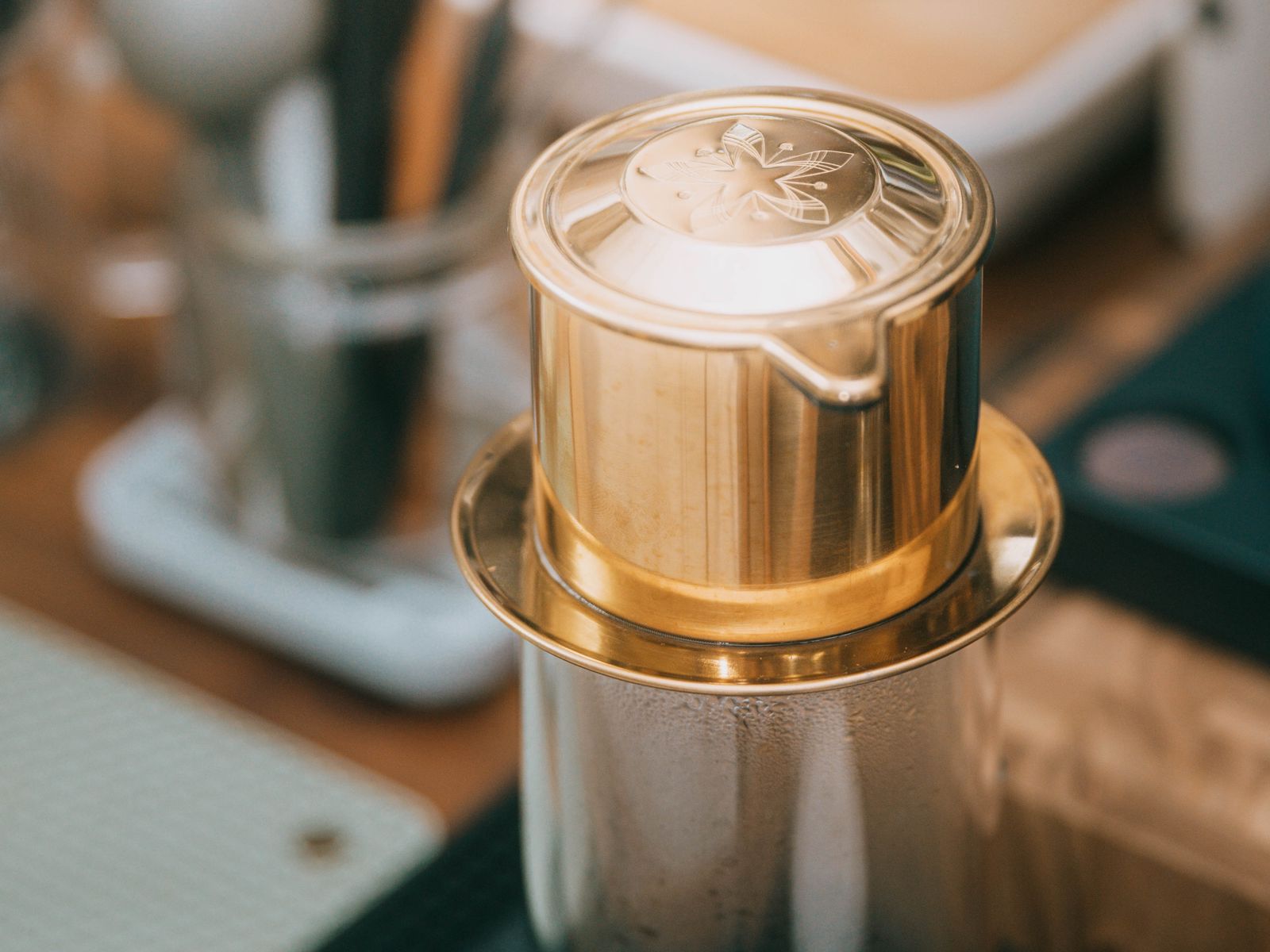
These reusable coffee filters work with most pour-over cones and drip machines. Because they let fines through, adjust your grind slightly coarser than you would for paper, closer to medium-coarse, to avoid a muddy, over-extracted cup.
Rinse the filter, add grounds, and use the same 1:16 ratio you’d use otherwise, about 25 grams of coffee to 400 grams of water at 200°F. Pour slowly in stages so the water doesn’t rush through the open mesh.
How to use a cloth filter
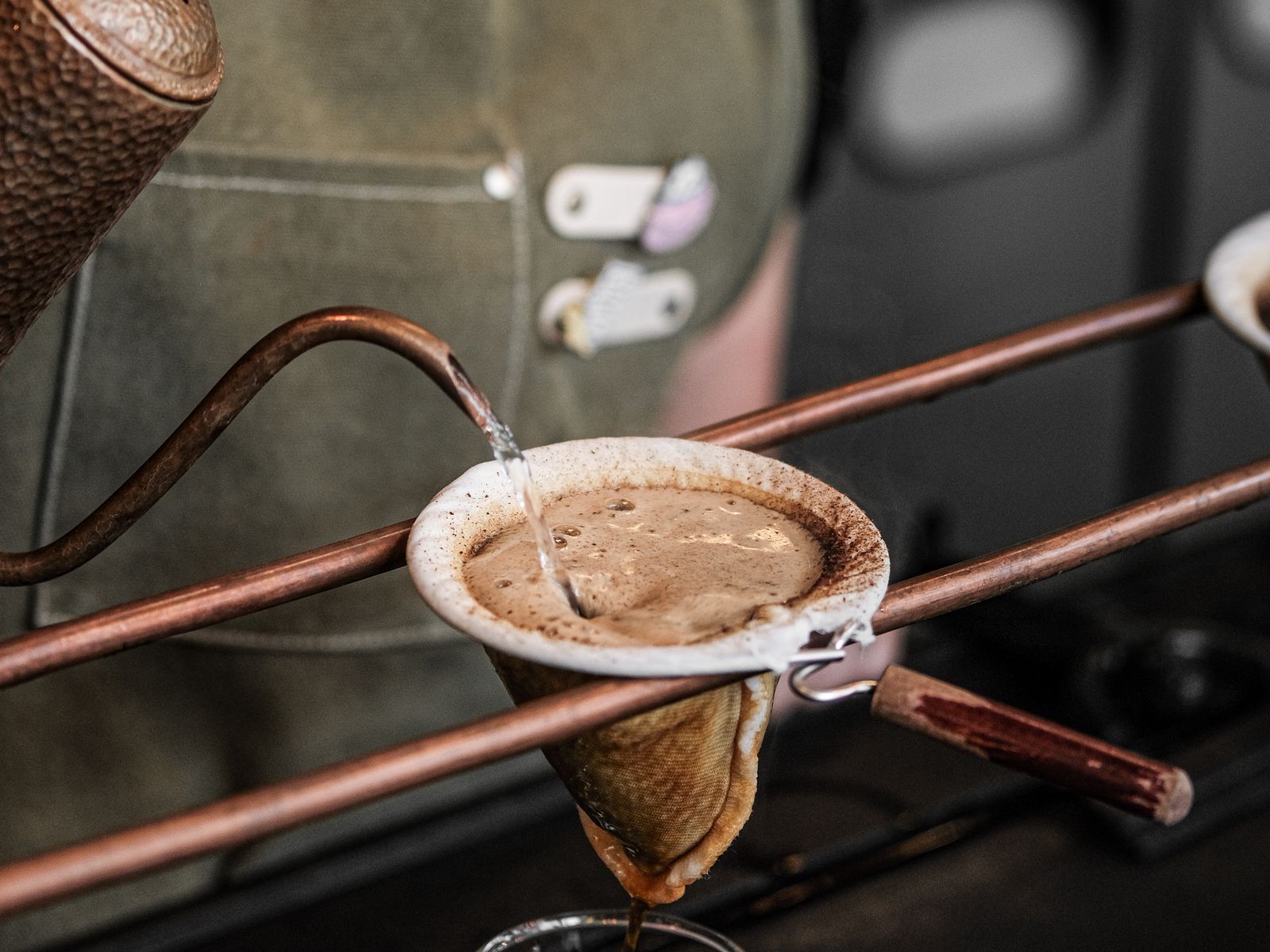
Cloth filters give one of the best-tasting cups you can make at home, clean like paper but with more body. Before the first use, boil the cloth for a few minutes to remove any manufacturing residue.
Brew as you would with paper, using a medium grind and a steady pour. The key with cloth is what happens after: it must stay clean and damp, which we’ll cover next.
Keeping reusable filters clean
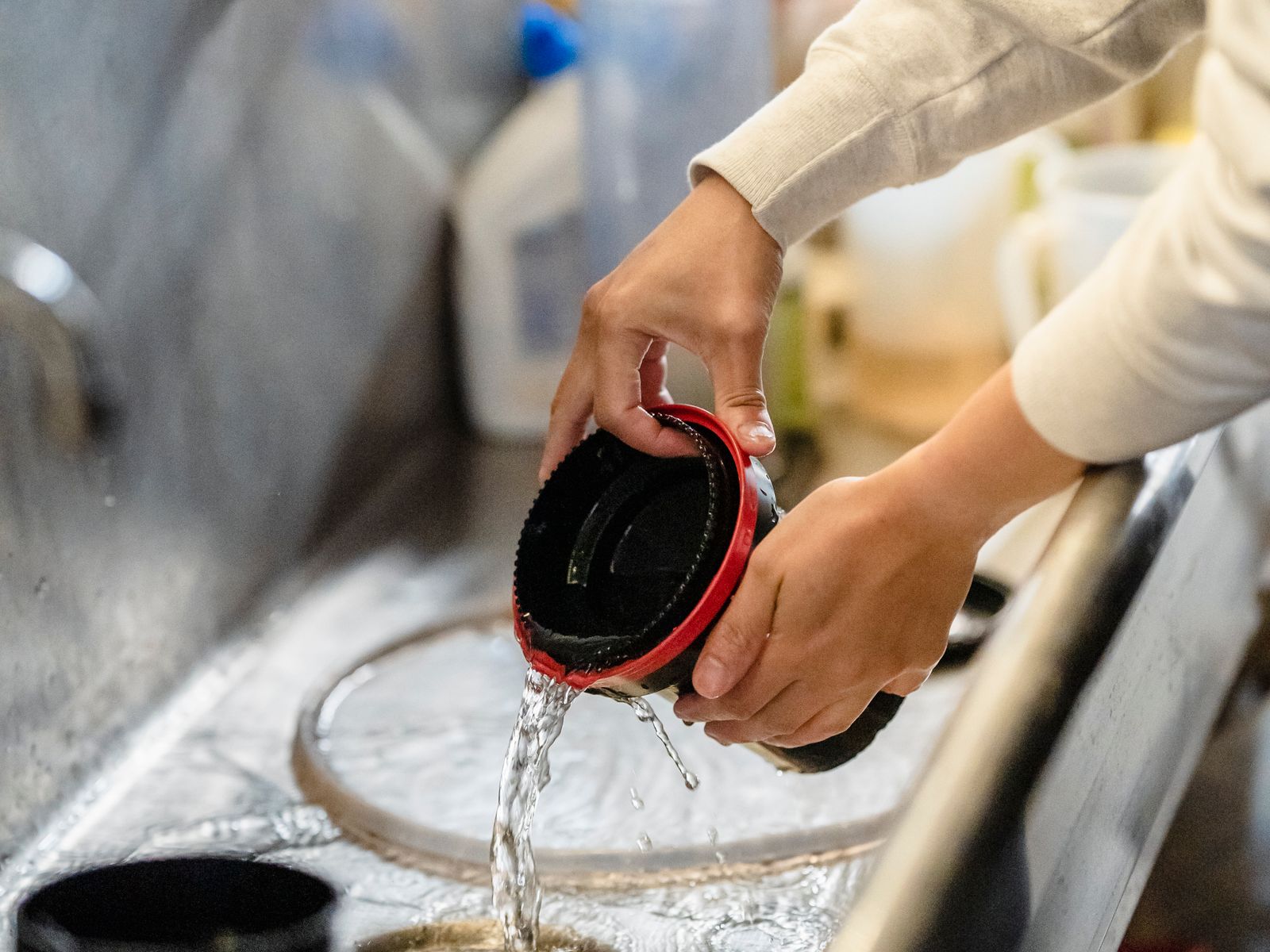
This is where most people go wrong. Old coffee oils turn rancid and make every future cup taste stale and bitter, so cleaning matters more than with disposable paper.
For metal filters, knock out the grounds, rinse thoroughly, and every week or two soak in a solution of hot water and a little baking soda, then scrub the mesh with a soft brush. For cloth filters, rinse after every brew and store them submerged in water in the fridge, changing the water every couple of days, or freeze them between uses. Never let a cloth filter dry out with oils still in it.
Paper vs reusable: which should you use?
Neither is strictly better; they suit different priorities. Paper gives the cleanest, brightest cup and requires zero cleanup, which is why many pour-over fans still prefer it. Reusable filters win on cost, waste, and body.
A good compromise many home brewers land on: metal for everyday drip and French-press-style richness, paper when you want a crisp, delicate pour-over. If you’re still assembling the basics, our guide to the best coffee gear for beginners under $50 helps you prioritize. And for full-immersion brewing without any paper at all, a French press is the classic reusable-filter brewer. The National Coffee Association notes that home brewing habits like these are more popular than ever.
Frequently asked questions about reusable filters
Do reusable filters make coffee taste worse?
No, just different. Metal filters make a bolder, oilier cup, and cloth makes a clean but full-bodied one. Any off flavors almost always come from a dirty filter, not the filter type itself.
How long do reusable coffee filters last?
A quality stainless steel filter can last many years with basic care. Cloth filters last several months to a year depending on how well you clean and store them.
Are reusable filters better for the environment?
Generally yes, since you avoid hundreds of paper filters a year. Used paper filters are compostable, but a single reusable filter still creates far less overall waste over its lifetime.
Your next step
If you brew daily, buy one stainless steel reusable filter that fits your current dripper or machine, grind a touch coarser, and clean it well after each use. Give it a week; most people find they never go back to buying paper, and the savings and richer cup make reusable coffee filters an easy upgrade.

Maria Peixoto writes about making great coffee at home — no expensive machines, no barista jargon, just better cups every morning. Based in Portland, Oregon.