Last July my brother pulled two glasses out of my fridge, both dark and cold and topped with ice, and asked why one cost him four dollars at a cafe and the other was a leftover pot I’d chilled. They looked identical. They were not. One was cold brew, the other was iced coffee, and the gap between them explains a lot about why your homemade version sometimes tastes flat.
People use the two names as if they mean the same thing, and cafes rarely correct them. But cold brew vs iced coffee is a real distinction, it changes the flavor in your cup, and it decides how much time and money you spend. Here is what actually separates them, and how to make each one well at home.
Cold Brew vs Iced Coffee: The One Difference That Matters
The entire distinction comes down to temperature during brewing. Iced coffee is brewed hot and then cooled down. Cold brew is never heated at all; the grounds steep in cold or room-temperature water for many hours.
That sounds like a small detail, but heat is the single biggest lever in coffee extraction. Hot water pulls compounds out of the grounds fast, including bright acids and aromatic oils. Cold water works slowly and selectively, leaving many of those acids behind. The result is two drinks with genuinely different personalities, even when you start with the same bag of beans.
What Cold Brew Actually Is

Cold brew is made by soaking coarsely ground coffee in cold water for 12 to 24 hours, then straining out the grounds. No heat touches it at any stage. Because the water is cold, extraction is gentle and takes its time.
The low temperature skips most of the acidic and bitter compounds that hot water grabs. What you get is smooth, low-acid, and slightly sweet, with a heavy, almost syrupy body. Many people who find regular coffee too harsh on their stomach tolerate cold brew easily. It is also usually made as a concentrate, which you dilute with water or milk before drinking.
What Iced Coffee Actually Is
Iced coffee is exactly what it sounds like: hot-brewed coffee that has been chilled and poured over ice. You can brew it with any method you already own, a drip machine, a pour-over, or a French press, then cool it in the fridge or straight over ice.
Because it starts hot, iced coffee keeps the bright, aromatic, acidic notes that hot extraction produces. It tastes closer to the hot cup you already know, just cold. The trade-off is that chilling can mute aroma, and melting ice waters it down if you are not careful.
Flavor, Side by Side
If you taste them next to each other, the contrast is obvious. Here is the short version of what to expect:
- Cold brew: smooth, sweet, low acidity, heavy body, chocolatey and nutty notes, mellow finish.
- Iced coffee: brighter, more acidic, lighter body, fruity or floral notes preserved, tastes closer to a fresh hot cup.
- Caffeine: cold brew concentrate is usually stronger, but once diluted the two land in a similar range.
- Time: iced coffee is ready in minutes, cold brew needs an overnight wait.
How to Make Great Cold Brew at Home
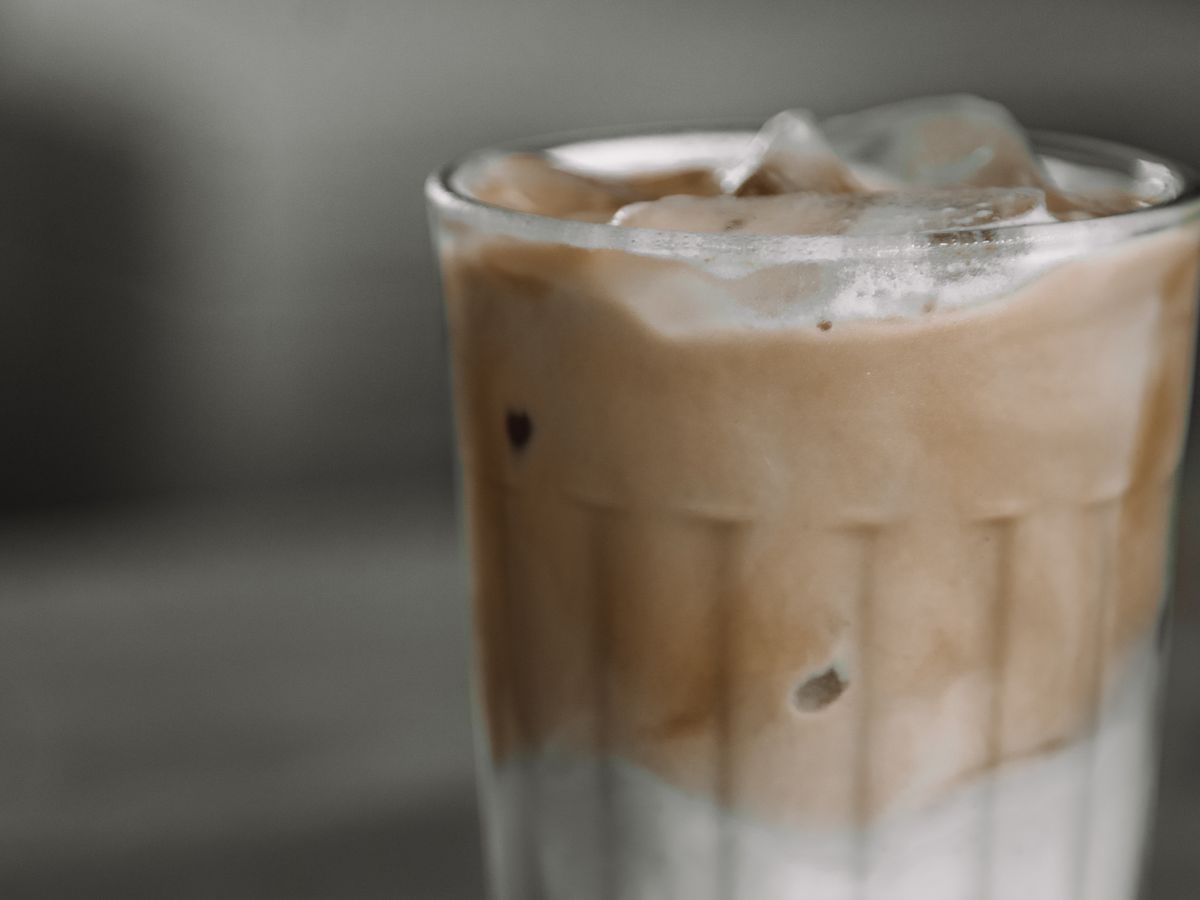
You do not need special gear. A large jar and a fine strainer will do. Start with a ratio of 1 part coffee to 8 parts water by weight for a concentrate you plan to dilute. For a milder ready-to-drink batch, use 1 to 12.
Grind coarse, roughly like raw sugar, so the grounds strain out cleanly and do not turn bitter. Stir the grounds into cold, filtered water, cover, and leave it on the counter or in the fridge for 14 to 18 hours. Strain through a paper filter or a clean cloth, then keep the concentrate in the fridge for up to two weeks.
To serve, pour the concentrate over ice and add cold water or milk until it tastes right, usually about a 1 to 1 split. If the water you use tastes bad on its own, your cold brew will too, so filtered water is worth the effort.
How to Make Iced Coffee Without Watering It Down
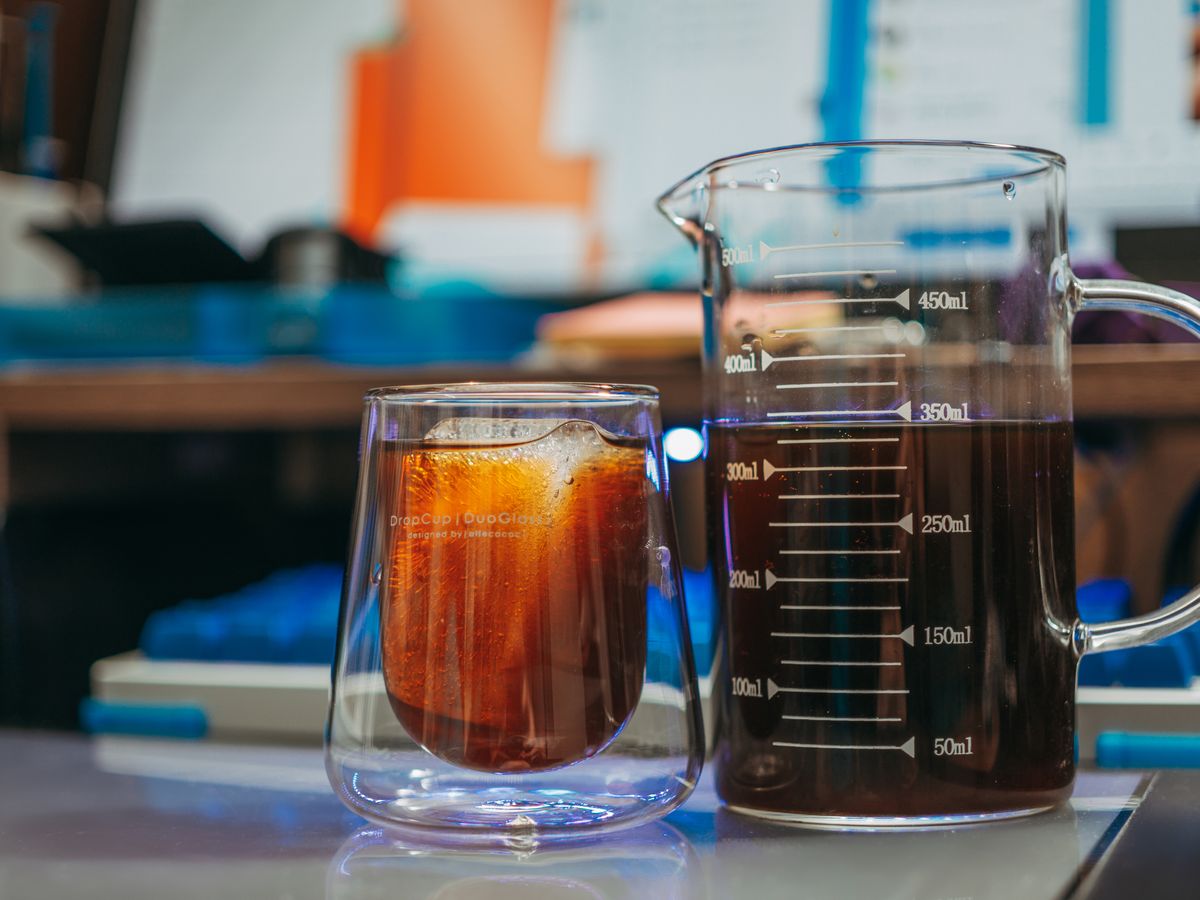
The classic mistake is brewing a normal cup, pouring it over ice, and watching it turn weak and watery. The fix is to brew stronger and cool faster.
The best home method is the flash-chill, or Japanese, technique. Brew a pour-over directly onto ice. Use your normal dose of coffee but replace part of the brew water with ice in the carafe, roughly a 60/40 split of hot water to ice weight. The hot coffee melts the ice on contact, locking in aroma and giving you a cold, full-strength cup in minutes.
If you would rather batch it, brew a strong pot at a 1 to 15 ratio, let it cool, and store it in the fridge. Freeze some of that coffee into ice cubes so your glass never gets diluted as they melt.
Which One Should You Make?
Pick based on what you want and how much patience you have. If you love smooth, sweet, low-acid coffee and can plan a day ahead, cold brew is your drink, and a big batch lasts all week. If you want a bright, fresh-tasting cup in the next five minutes with gear you already own, iced coffee wins.
There is no wrong answer, and switching between them keeps summer interesting. Both reward good beans and good water, so start with a bag you enjoy hot. If you are still dialing in your grind and dose, our guide to the ideal coffee-to-water ratio will make either method more forgiving.
A Few Common Mistakes to Skip
Do not grind too fine for cold brew; it clogs your filter and turns the batch muddy and bitter. Do not judge cold brew concentrate before you dilute it, since it is meant to be cut with water or milk. And do not let iced coffee sit on ice for an hour before drinking, because dilution is the enemy of a good glass.
If you want to go deeper on how brewing variables shape a cup, the National Coffee Association has a clear rundown of extraction basics. And if you are new to manual brewing, our walkthrough of the AeroPress and our roundup of cheap coffee upgrades both make it easy to build a solid hot base for flash-chilled iced coffee.
Your Next Step
Tonight, before bed, stir a cup of coarse grounds into eight cups of cold water and leave it on the counter. Tomorrow morning, strain it, pour it over ice, and taste real cold brew for the first time. Then brew a flash-chilled glass the same afternoon and compare. Once you feel the difference on your own tongue, you will never confuse the two again.
What About Caffeine and Acidity?
People assume cold brew is always the strongest, and in concentrate form it usually is. A cup of undiluted concentrate can carry two to three times the caffeine of a normal cup. But that is the point of diluting it. Once you cut it with water or milk to a drinkable strength, the caffeine per glass lands close to a regular cup of iced coffee.
Acidity is where cold brew genuinely stands apart. The cold process leaves behind many of the chlorogenic acids that give hot coffee its tang. If acid reflux or a sensitive stomach makes regular coffee uncomfortable, cold brew is worth trying, since it tends to sit far more gently. Iced coffee, brewed hot, keeps that brightness, which some drinkers love and others find sharp on a warm afternoon.
Serving and Storage Tips
Cold brew concentrate keeps its flavor in a sealed jar in the fridge for up to two weeks, which makes it the most convenient coffee you can keep on hand. Iced coffee is best within a day or two, since chilled hot coffee slowly loses aroma and can turn dull.
For either drink, chill your glass first and use plenty of ice so the temperature stays low without a long melt. A splash of cold milk, a drizzle of simple syrup, or a pinch of salt to tame bitterness can each transform a plain glass. Keep the additions small at first, taste, then adjust; it is easier to add than to fix an over-sweetened cup.

Maria Peixoto writes about making great coffee at home — no expensive machines, no barista jargon, just better cups every morning. Based in Portland, Oregon.