I once opened a bag of beans I had proudly saved for a special morning, only to find the coffee tasted like cardboard despite looking perfectly fine. That flat cup taught me a humbling lesson: coffee does not spoil dramatically the way milk or bread does, it quietly fades day by day, and by the time it finally looks or smells off, the flavor you paid for is already long gone.
Understanding coffee freshness is the difference between a vibrant cup and a dull one. This guide explains what actually happens to beans over time, how long they really last, and the simple habits that keep your coffee tasting alive for as long as possible.
What Coffee Freshness Actually Means
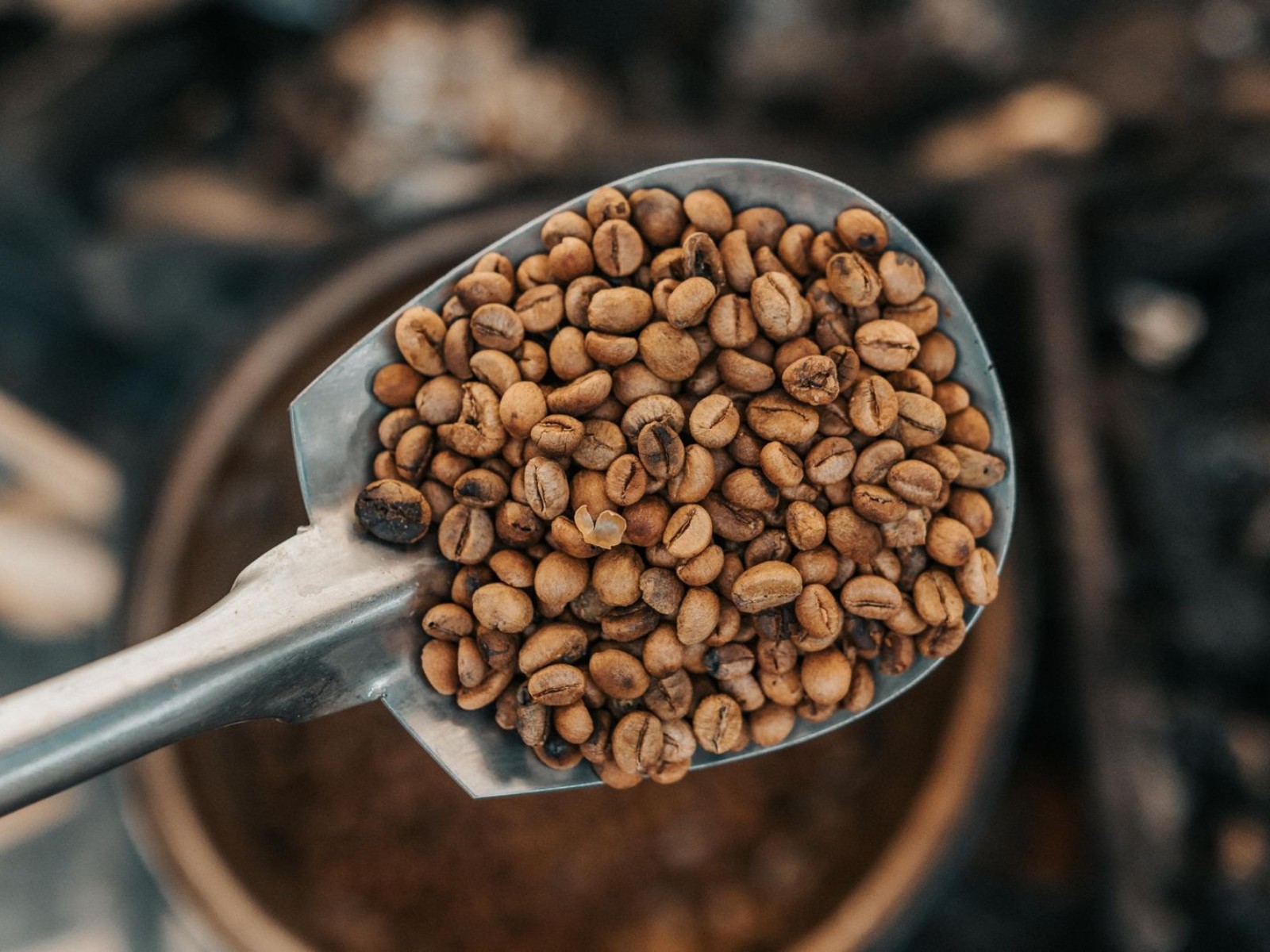
Coffee freshness is about aromatics, not safety. Roasted beans are packed with hundreds of volatile aromatic compounds and trapped carbon dioxide, and those are what give coffee its bright, complex flavor. Over time they escape into the air, leaving a duller, flatter cup behind.
Stale coffee will not make you sick; it simply loses its magic. So when we talk about coffee freshness, we mean how much of that original aroma and character still remains, not whether the beans have gone bad in a dangerous sense.
The Enemies: Oxygen, Light, Heat, and Moisture
Four things steal coffee freshness, and knowing them tells you exactly how to fight back:
- Oxygen: the biggest culprit, causing beans to go stale and oils to turn rancid
- Light: UV rays degrade aromatic compounds over time
- Heat: speeds up the loss of volatile flavors
- Moisture: ruins texture and invites staleness, especially for ground coffee
Every good storage habit is really just a way to limit these four forces. Control them and you preserve coffee freshness far longer than most people manage; ignore them and even great beans fade within days.
The Real Freshness Timeline
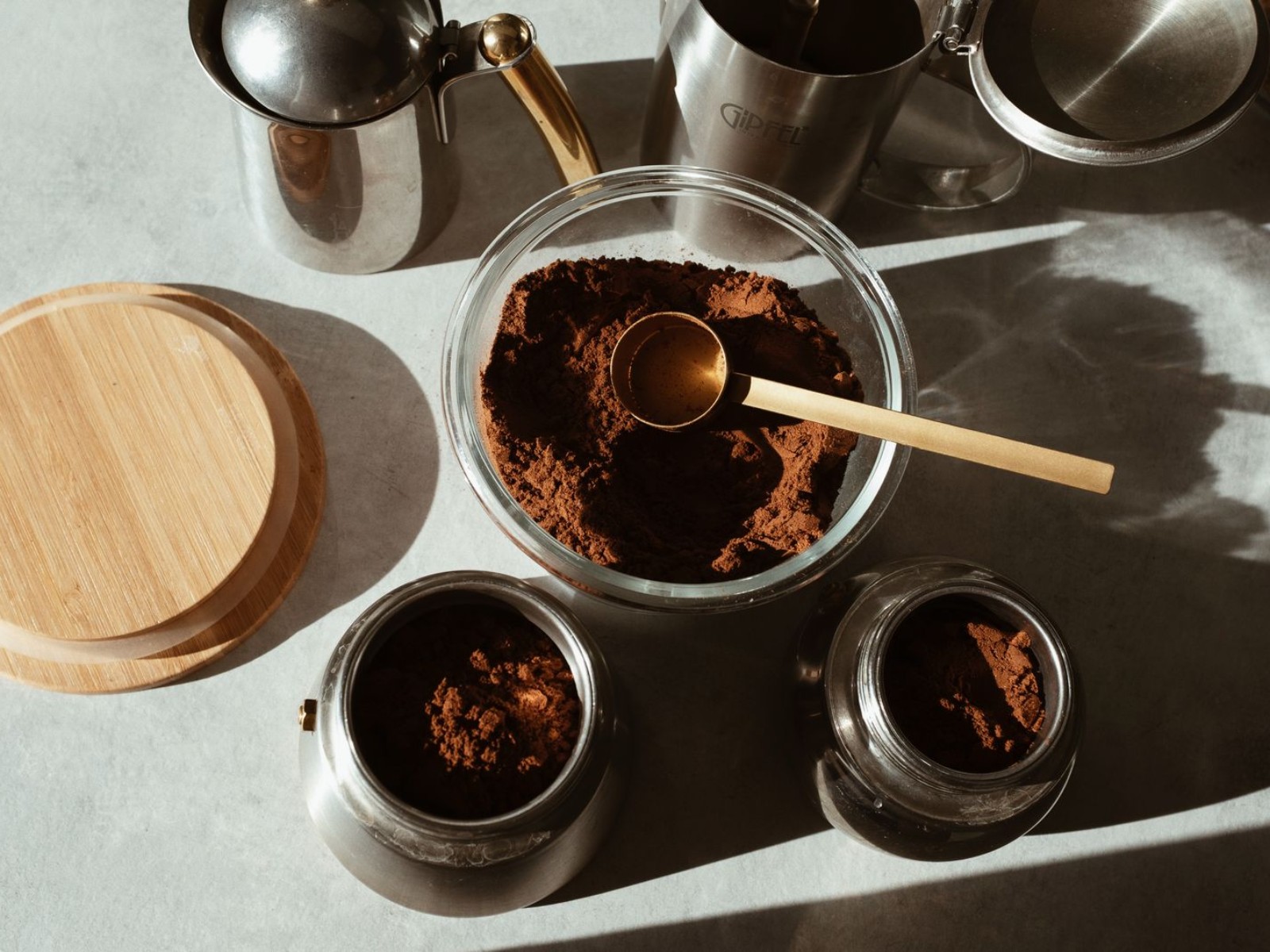
Here is roughly how coffee freshness plays out for whole beans stored well. The first few days after roasting, beans are actually too fresh and release so much gas that extraction is uneven. The sweet spot runs from about 5 to 21 days after the roast date.
After three to four weeks, whole beans begin a gentle, noticeable decline. They are still enjoyable for a couple of months if sealed, but the peak has passed. This is why the roast date matters so much, a topic I cover in my guide to reading a bag of coffee.
Why Ground Coffee Goes Stale Faster
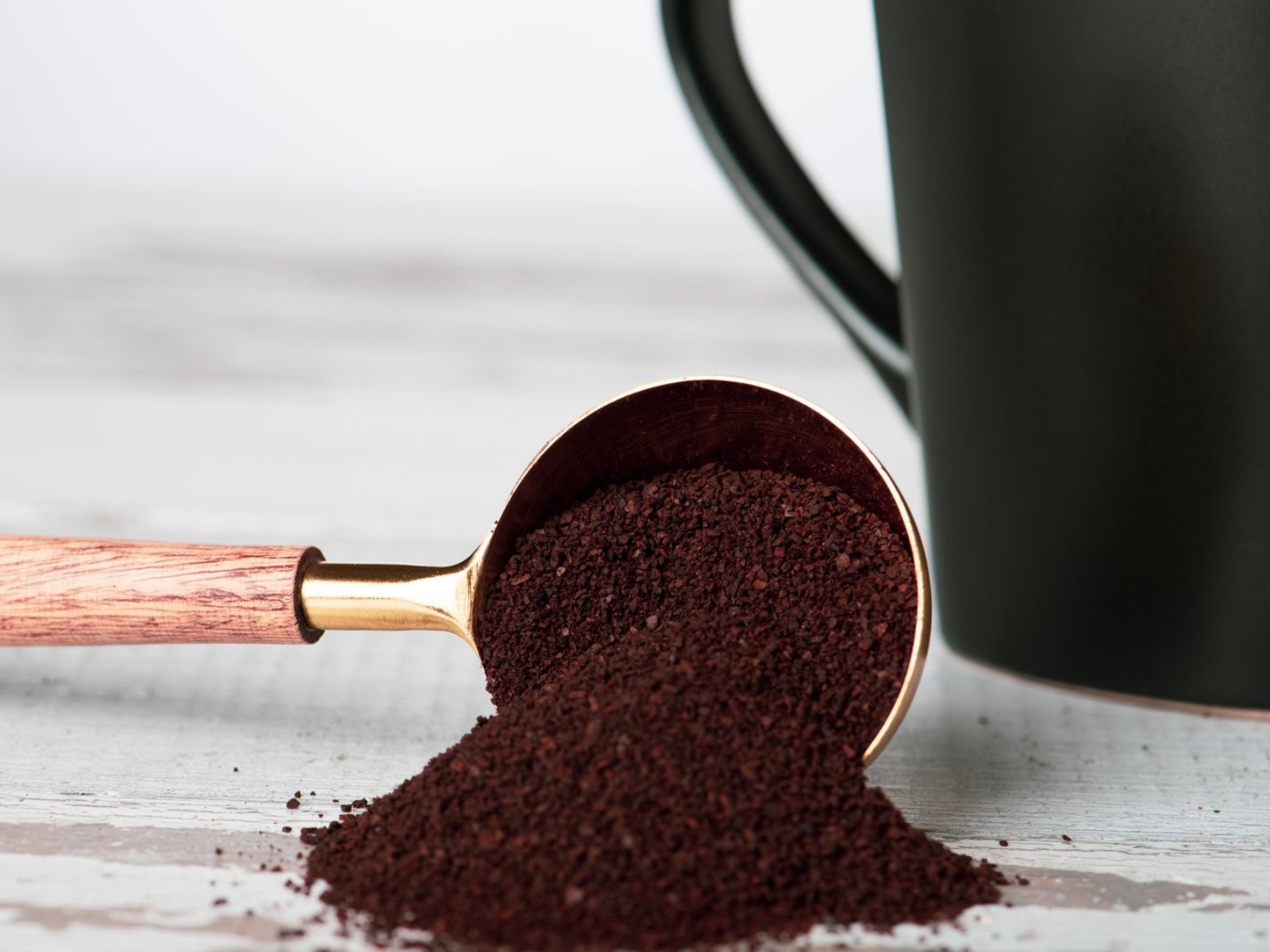
Grinding destroys coffee freshness at astonishing speed. A whole bean has a small surface area exposed to air, but grinding shatters it into thousands of particles, exposing far more surface. Ground coffee can lose much of its aroma within 15 to 30 minutes of grinding.
That is the single strongest argument for grinding just before you brew. If you are weighing whether it is worth buying a grinder, my breakdown of whole bean vs pre-ground coffee shows how much flavor pre-ground quietly leaves on the table.
How to Store Beans for Maximum Freshness
Protecting coffee freshness comes down to an airtight, opaque container kept somewhere cool and dark, like a pantry shelf. Avoid the fridge, where beans absorb odors and moisture, and skip clear glass jars on a sunny counter no matter how pretty they look.
Buy only what you will drink in two to four weeks so beans never sit long enough to fade. For the full set of containers and habits that work best, my detailed guide to storing coffee beans to keep them fresh goes deeper than we can here.
Can You Freeze Coffee?
Freezing is the one exception to the no-cold rule, and it can extend coffee freshness for months if done correctly. The key is sealing beans in a truly airtight, moisture-proof container in single-use portions, then never refreezing a portion once thawed.
Condensation is the danger; every time beans warm and cool, moisture forms and degrades them. So freeze in small bags you will use all at once, and let a portion come fully to room temperature before opening it to brew.
Freshness also interacts with how you brew. Fresher coffee needs a slightly coarser grind or a shorter contact time because it extracts more readily, while older beans may need a little more coffee to compensate. If you want to fine-tune strength as your beans age, my guide to the coffee-to-water ratio pairs perfectly with this one.
How to Tell If Your Coffee Is Stale
Your nose is the best test of coffee freshness. Fresh beans smell rich and fragrant when you open the bag; stale ones smell faint, flat, or slightly cardboard-like. When you brew, fresh grounds bloom and bubble as they release gas, while stale grounds sit still.
According to the National Coffee Association, keeping beans away from air, moisture, heat, and light is the core of preserving flavor. If your coffee has lost its aroma and its bloom, it has simply gone stale, and no brewing trick will fully bring it back.
Does the Bag and Valve Matter?
The packaging your beans arrive in plays a real role. Quality bags include a one-way degassing valve, that little round button, which lets the carbon dioxide from recently roasted beans escape without letting oxygen in. It is a quiet sign the roaster packaged the coffee with care.
Once you open that bag, though, the valve stops helping, because you have broken the seal. That is why transferring beans to a proper airtight container after opening does more good than trying to reseal the original bag. If the bag has only a flimsy fold-over top and no valve, plan to move the beans out even sooner.
Myths Worth Ignoring
A few stubborn myths lead people astray. The first is that oily-looking beans are always fresher; in reality, surface oils often mean a darker roast, and on older beans that oil can turn rancid. Shine alone tells you little about how recently the coffee was roasted.
Another myth is that the refrigerator keeps beans fresh. The fridge is humid and full of competing odors, both of which harm your coffee rather than help it. Room temperature in a dark, sealed container beats the fridge every time, and only the freezer, used carefully, extends storage beyond a few weeks.
Keep Every Cup Fresh
Coffee freshness is not complicated: buy recently roasted beans, store them airtight and away from light and heat, grind right before brewing, and drink them within a few weeks. Do those four things and every cup will taste noticeably more alive. Check the roast date on your current bag today, and give your beans the storage they deserve.

Maria Peixoto writes about making great coffee at home — no expensive machines, no barista jargon, just better cups every morning. Based in Portland, Oregon.