The morning I stopped shuffling half-asleep to three different cupboards to find my coffee gear, everything changed. I gathered it all onto one small tray in the corner of my kitchen, and suddenly making great coffee felt less like a chore and more like the best two minutes of my day.
That little corner is what people mean by a coffee bar, and you can build a genuinely capable one for less than the cost of a month of cafe visits. This guide lays out a complete home coffee bar setup for under $150, piece by piece, so you know exactly where every dollar goes.
Why Build a Home Coffee Bar Setup
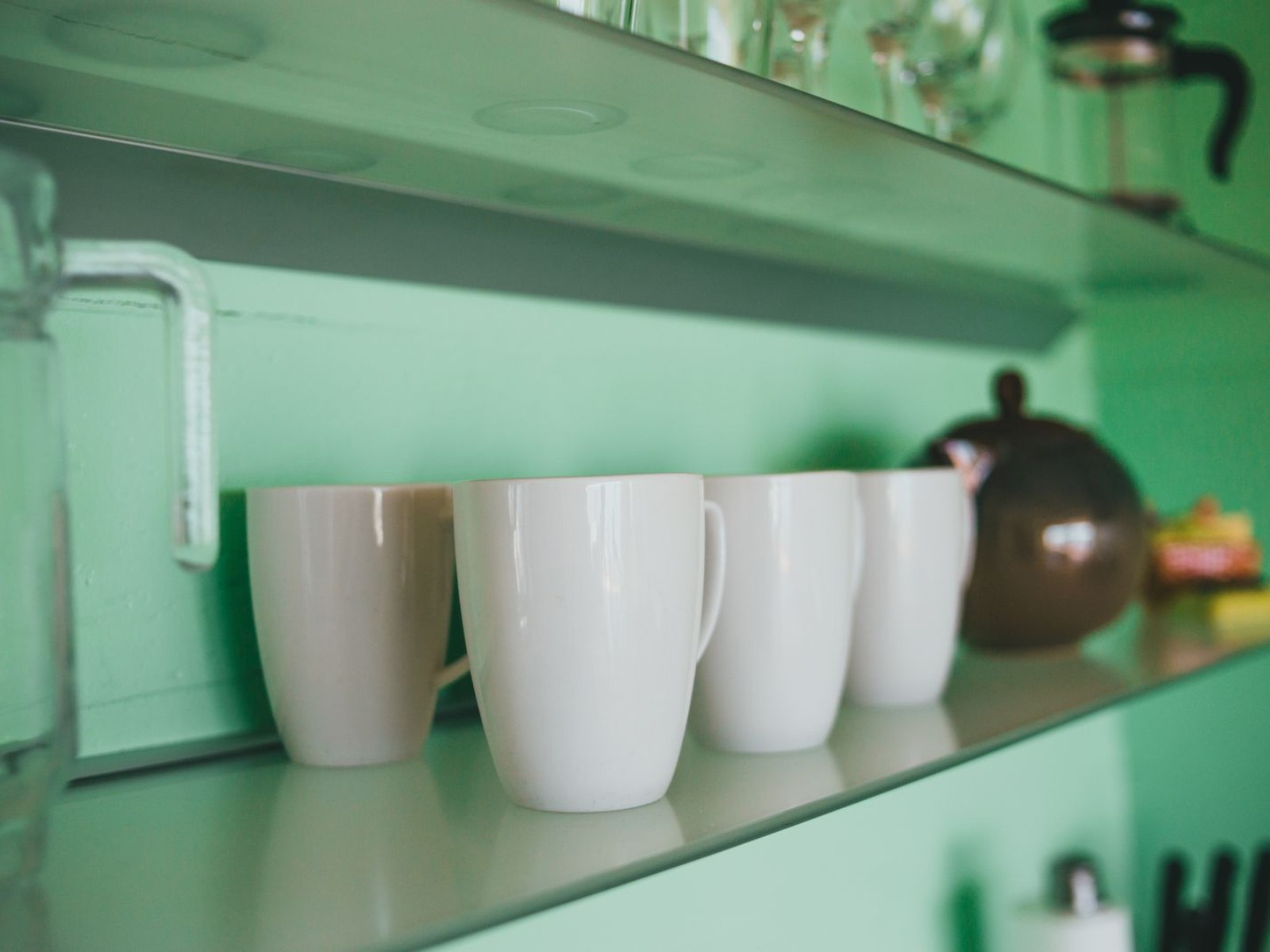
A home coffee bar setup does two things: it saves money and it makes better coffee more likely. When your gear lives together in one spot, the small friction of brewing well disappears, and you naturally start weighing, grinding, and brewing with more care.
The financial case is almost silly. A daily cafe latte can cost over $1,500 a year, so a $150 home coffee bar setup pays for itself in about five weeks. After that, every cup is nearly free, and arguably better than the drive-through.
The Core Gear: Where Your Money Goes
Here is a realistic budget breakdown for a complete home coffee bar setup under $150:
- Burr grinder: $40 to $50, the most important piece
- Brewer (pour-over or French press): $15 to $30
- Digital scale: $12 to $15
- Gooseneck kettle: $25 to $35
- Beans, filters, and a nice mug: $20 to $25
That leaves a little breathing room under $150. The grinder is where I always tell people to spend first, because fresh grinding does more for flavor than any other single upgrade in a home coffee bar setup.
It is worth buying the pieces in order of impact rather than all at once. If $150 feels like a lot up front, start with the grinder and a brewer this month, then add the scale and kettle next month. A home coffee bar setup built gradually still ends up in the same place, and spreading the cost makes the upgrade painless.
Choosing Your Grinder
A burr grinder crushes beans to an even size, which is essential for balanced flavor, while cheap blade grinders chop unevenly. A manual burr grinder around $40 grinds as well as electric models costing far more, making it the budget star of any home coffee bar setup.
If you are torn between styles, my comparison of burr vs blade grinders explains exactly why burrs win. Spend here even if it means economizing elsewhere; a great grinder elevates everything else on your bar.
Picking a Brewer and Kettle
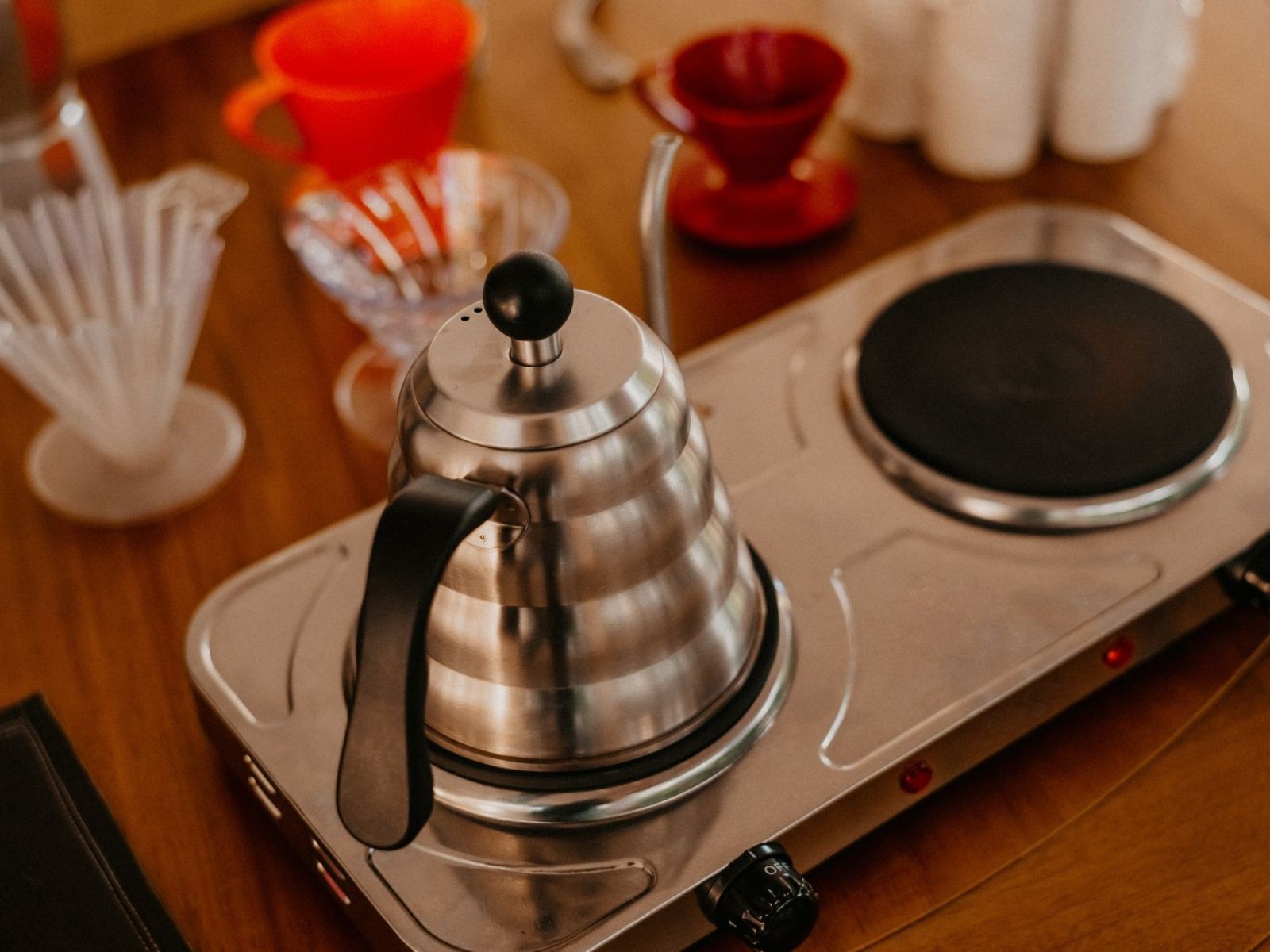
Your brewer defines the style of coffee your home coffee bar setup produces. A pour-over dripper makes clean, bright cups for a few dollars, while a French press makes rich, full-bodied coffee with no paper filters. Either is an excellent, affordable anchor.
A gooseneck kettle gives you control over your pour, which matters most for pour-over. If you are unsure whether to splurge on one, my honest take on whether you really need a gooseneck kettle can help you decide before you buy.
The Small Essentials That Matter
A digital scale is the unsung hero of a home coffee bar setup. For about $12 it lets you nail your coffee-to-water ratio every time, turning guesswork into repeatable, delicious cups. Do not skip it to save a few dollars.
Round out the bar with filters, an airtight container for beans, and a mug you actually love drinking from. These little touches cost almost nothing but make the ritual feel special, which is half the reason a home coffee bar setup works so well.
Arranging Your Coffee Corner
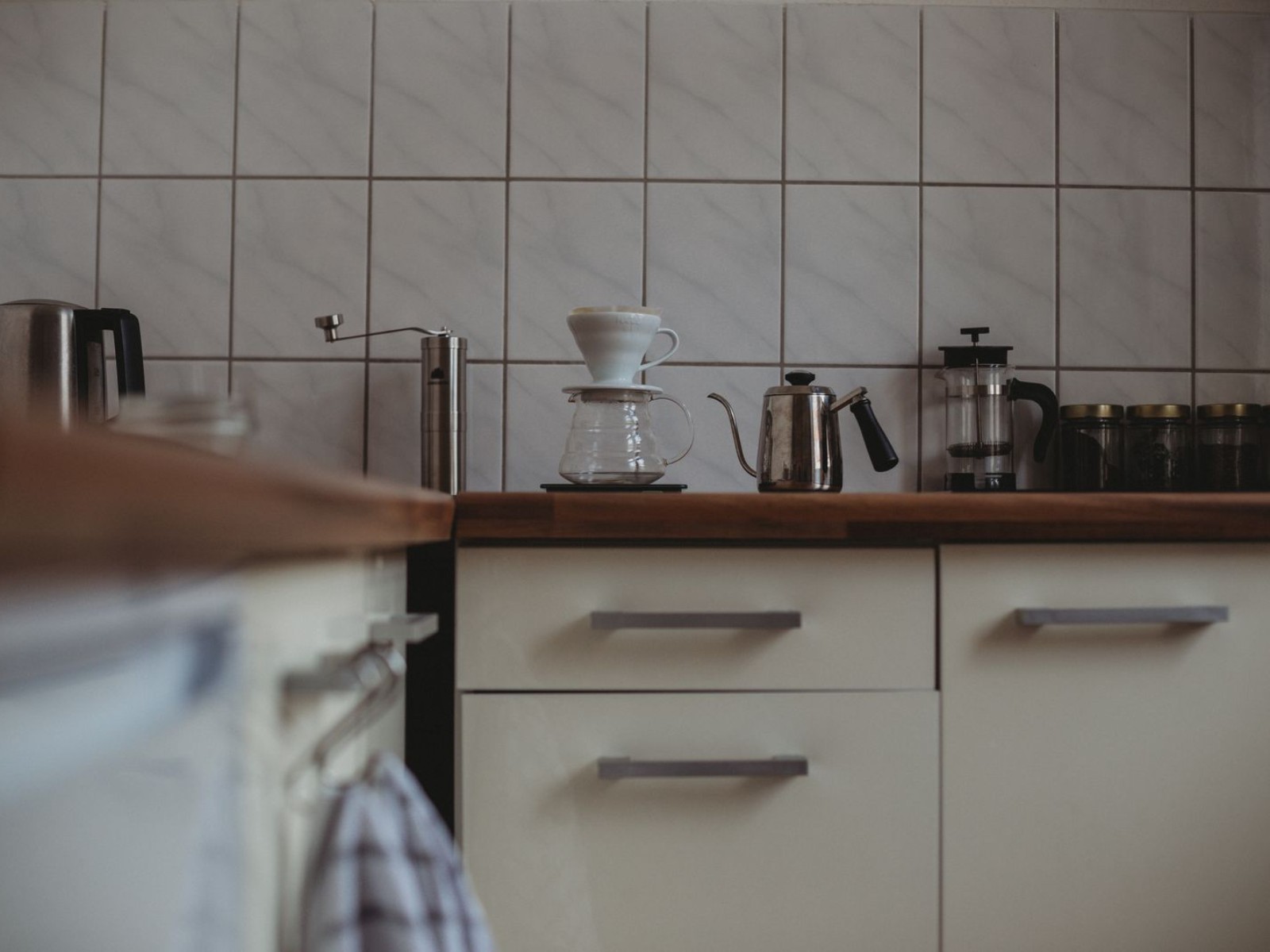
Layout is the free upgrade people forget. Group your gear in the order you use it: kettle, then grinder, then brewer, then mug. A small tray or a single shelf keeps everything corralled and makes cleanup effortless, even in a tiny kitchen.
Keep beans out of direct sunlight and away from the stove’s heat. A tidy, well-placed home coffee bar setup is not about looking like a magazine; it is about removing every excuse not to brew well when you are groggy at 6 a.m.
Upgrades for Later
Once your under-$150 bar is humming, you can add pieces as your taste grows. A milk frother opens up lattes and cappuccinos; my guide to frothing milk without an espresso machine shows how to do it cheaply. Later, a nicer electric kettle or a second brewer expands your range.
The point is that a home coffee bar setup grows with you. According to the National Coffee Association, home brewing remains the most popular way Americans drink coffee, and a well-planned setup is what makes that daily habit genuinely enjoyable.
A Compact Version for Renters
Short on counter space or living somewhere temporary? A home coffee bar setup can shrink to a single rolling cart or even a large tray you tuck into a cupboard. Choose a manual grinder and a French press, both of which are small and need no outlet, and you have a fully portable coffee corner.
The compact approach also travels well between apartments, which is a real advantage if you move often. Everything nests together, packs into a box in minutes, and reassembles on any flat surface. You lose nothing in cup quality; the same gear simply lives in less space.
Keeping Your Bar in Good Shape
A little maintenance keeps your home coffee bar setup performing for years. Rinse the brewer after every use, brush stray grounds out of the grinder weekly, and descale the kettle every month or two if you have hard water. These habits take seconds and prevent the stale, bitter buildup that quietly ruins good coffee.
Restock beans before you run out so the bar is always ready, and store them in that airtight container rather than the original bag once it is opened. A setup that is clean and stocked removes the last bit of friction between you and a great cup, which is exactly the point of building one in the first place.
Start Your Bar This Weekend
You do not need a big budget or a big kitchen to brew cafe-quality coffee at home, just a thoughtful home coffee bar setup that puts the right tools within reach. Start with a burr grinder and a scale, add a brewer and kettle, and arrange it all in one tidy corner. This weekend, clear a little space and build the coffee ritual you will look forward to every morning.
Maria Peixoto writes about making great coffee at home — no expensive machines, no barista jargon, just better cups every morning. Based in Portland, Oregon.