When I moved into a 400-square-foot studio in Portland, my old drip machine hogged nearly a third of my only counter. I gave it away, spent one careful afternoon researching compact options, and landed on a setup that makes better coffee in a fraction of the space.
Finding the best budget coffee maker for a small kitchen is really about matching a compact brewer to how you actually drink coffee. This guide walks through the smartest space-saving options under $60, what to look for, and how to pick the right one for your counter and your cup.
What makes a coffee maker right for small kitchens
In a tight kitchen, footprint matters as much as flavor. Before buying, measure your free counter space and note your cabinet clearance, since many machines need vertical room to open a lid or refill a reservoir.
Then think about volume. If you brew one or two cups a day, a single-serve or manual brewer beats a bulky carafe machine. Cleanup and storage count too: gear that tucks into a drawer when idle effectively gives you counter space back.
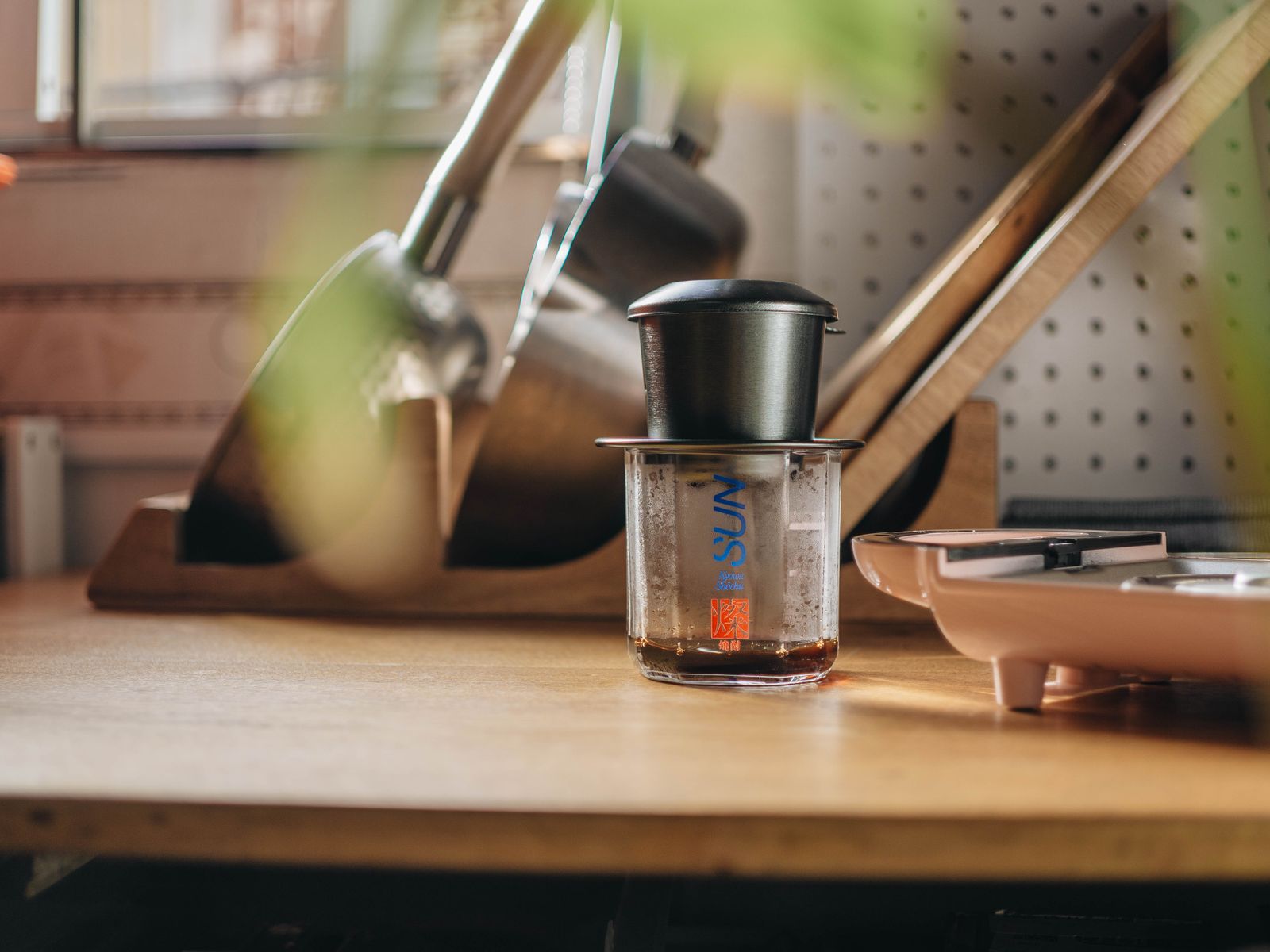
Manual brewers: the ultimate space savers
Manual methods win on price and footprint. A pour-over dripper, an AeroPress, or a French press costs well under $40, stores in a drawer, and makes excellent coffee with no electricity beyond a kettle.
These are my top picks for the smallest kitchens. Here is how the popular manual options compare:
- Pour-over dripper ($10–$25): clean, bright cups; needs a bit of technique.
- AeroPress ($30–$40): forgiving, fast, and nearly unbreakable.
- French press ($20–$35): rich, full-bodied coffee with zero paper filters.
- Moka pot ($20–$30): strong, espresso-style shots on the stovetop.
All of these deliver café-quality results for a one-time cost lower than a month of daily lattes. For a truly minimal kitchen, a single dripper and a gooseneck kettle may be all you ever need.
Compact electric drip machines under $60
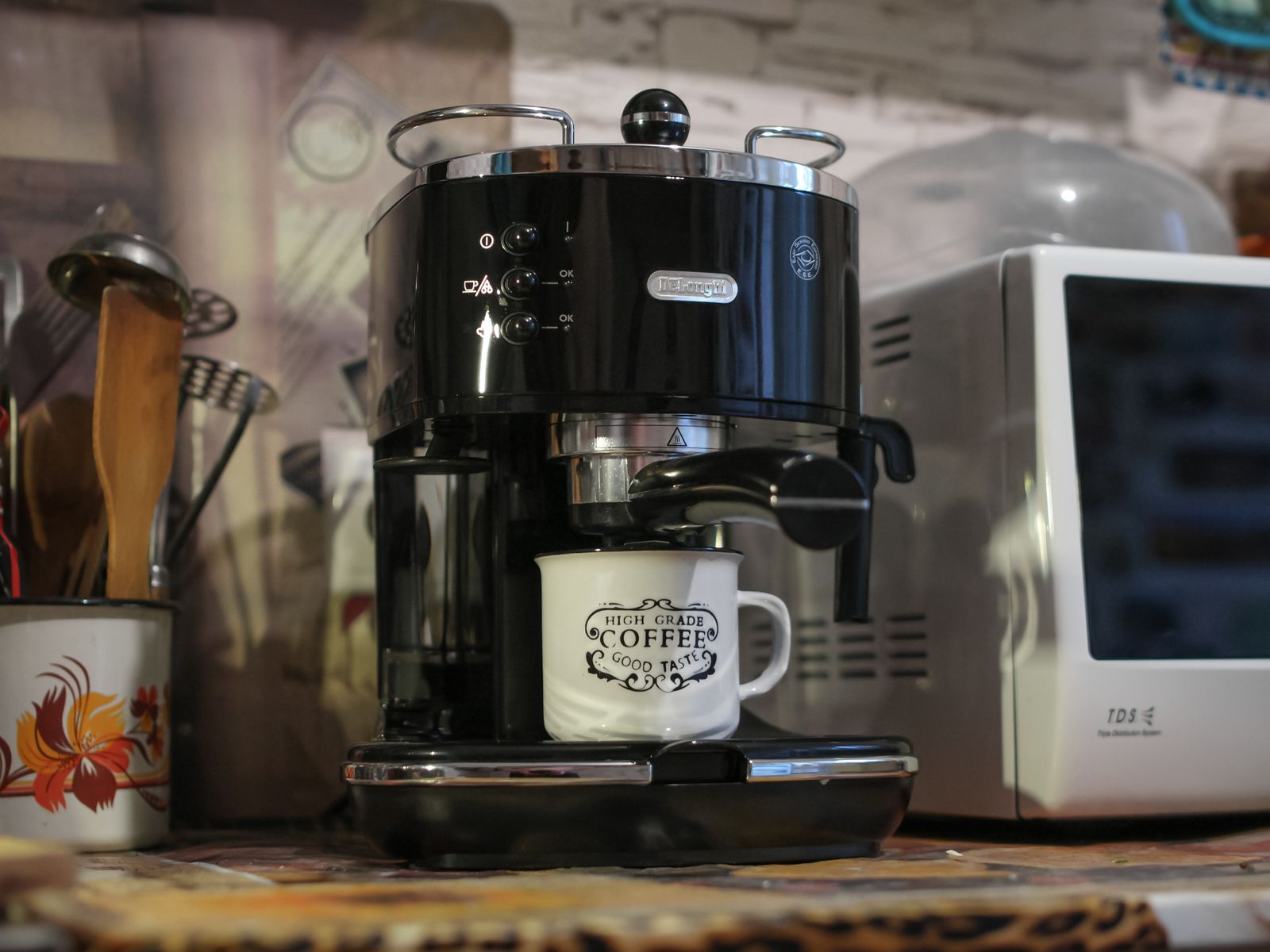
If you want push-button convenience, look for a compact drip machine with a 4- to 5-cup capacity rather than a full 12-cup model. These slim brewers take up far less width and still deliver a fresh pot on a timer.
Prioritize a model with a small footprint, a removable water reservoir for easy filling, and a hot plate or thermal carafe that keeps coffee warm. Many solid 5-cup machines sell for $25 to $50, making them a genuine budget coffee maker for tight spaces.
Single-serve options without the waste
Single-serve machines are tempting in small kitchens because they brew one cup fast with no leftover pot. The catch is cost and waste from proprietary pods, which add up quickly and clutter landfills.
A smarter budget move is a reusable pod filter you load with your own ground coffee, or simply an AeroPress, which brews a single serving in about a minute. You get the convenience of one-cup brewing without the ongoing pod expense.
Don’t forget the grinder and kettle
A great brewer is only half the setup. Freshly ground beans make a bigger difference than the machine itself, and a compact hand grinder costs $20 to $40 and stores anywhere. It also doubles as a quiet, no-electricity option for early mornings.
For pour-over and other manual methods, a slim gooseneck kettle gives you control over the pour without dominating your counter. Together, a hand grinder and a small kettle round out a complete small-kitchen coffee station for under $80 total.
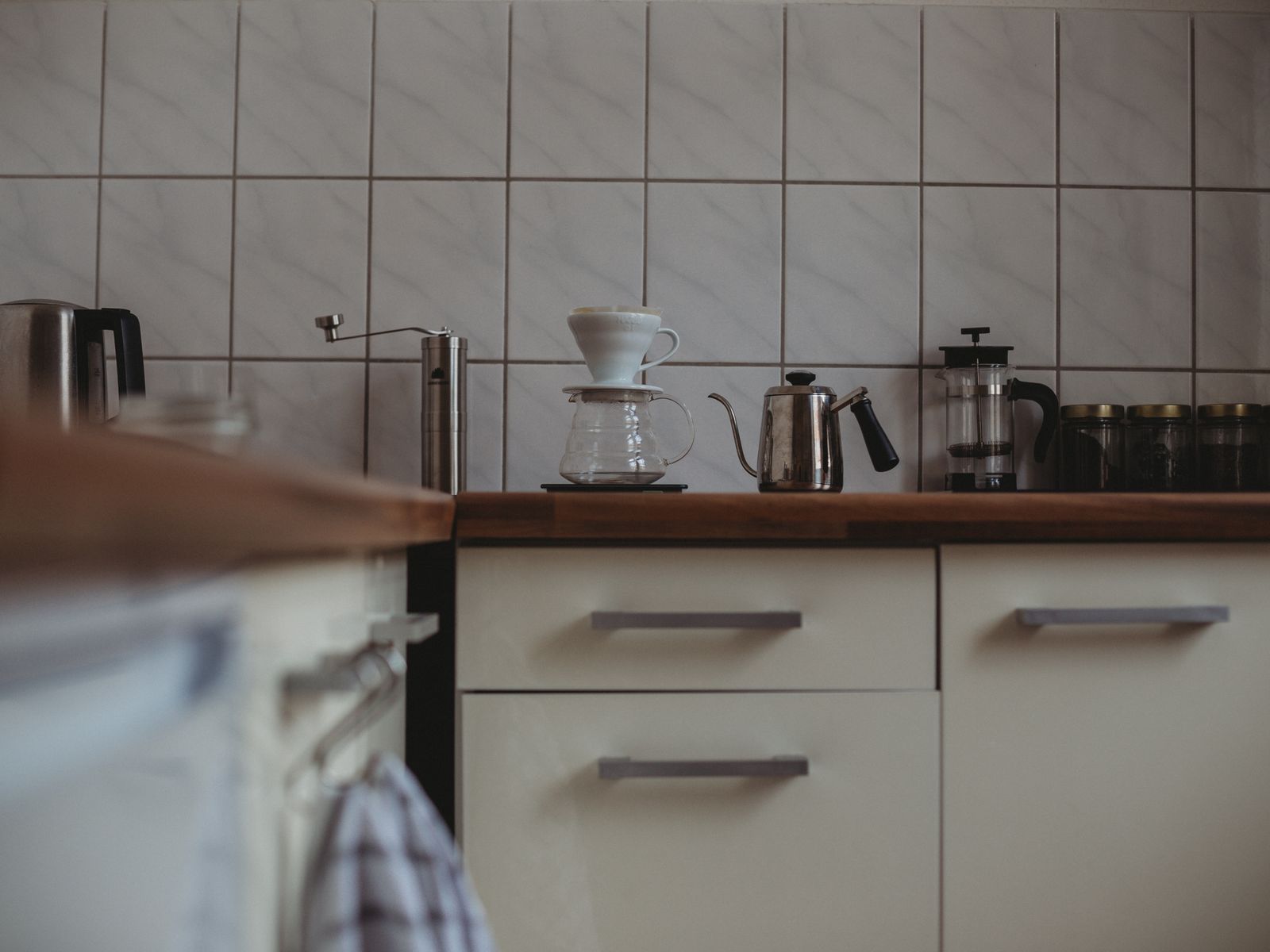
Setting up a coffee station in tight spaces
Vertical space is your friend. A narrow shelf or a small tray corrals your brewer, grinder, and beans into one tidy zone, and hanging mugs on hooks frees up cabinet room. Keep only what you use daily on the counter and store the rest.
Choose gear in a consistent finish or color so the little station looks intentional rather than cluttered. A clean, well-organized corner makes even the tiniest kitchen feel like a real coffee bar.
How much should you spend on a budget coffee maker
You do not need to spend much to drink genuinely good coffee at home. A capable manual brewer runs $10 to $40, a compact electric drip machine sits around $25 to $50, and even a solid hand grinder is $20 to $40. For well under $100 total, you can build a complete setup that outperforms a lot of pricey all-in-one machines.
Where budget matters most is durability. A cheap plastic gadget that cracks in six months is no bargain, so read reviews for longevity and look for simple designs with few electronic parts to fail. Glass, stainless steel, and sturdy BPA-free plastic tend to last for years of daily use.
Remember that ongoing costs count too. A machine that uses expensive proprietary pods can quietly cost more over a year than a higher upfront brewer that uses inexpensive paper filters or none at all. Factoring in those running costs is the key to a truly budget-friendly choice.
Caring for your coffee maker to make it last
A little maintenance keeps any budget coffee maker brewing well for years. Rinse removable parts after each use and let them air dry fully to prevent stale oils and mold, which are the main culprits behind bitter, off-tasting coffee over time.
Descale electric drip machines every month or two, depending on how hard your water is. A simple solution of equal parts white vinegar and water run through the machine dissolves mineral buildup that slows brewing and dulls flavor. Follow with two plain water cycles to rinse.
For manual gear, replace worn parts like French press screens or AeroPress seals as needed. These cheap components are the difference between a tired brewer and one that feels brand new, and they cost far less than replacing the whole thing.
Common small-kitchen coffee mistakes to avoid
The most common mistake is buying more machine than you need. A 12-cup drip maker in a one-person household wastes counter space and coffee, since half-empty carafes brew unevenly and coffee left on a hot plate turns bitter within 30 minutes.
Another misstep is ignoring the grinder while splurging on the brewer. Stale, pre-ground coffee will hold back even the best machine, so if your budget is tight, spend on freshness and a modest brewer rather than the other way around. Your morning cup will thank you.
Matching your brewer to your daily routine
The best budget coffee maker for you depends less on specs and more on your mornings. If you rush out the door, an AeroPress or single dripper that brews in a minute and rinses in seconds fits far better than a machine with a warm-up cycle and a carafe to wash.
If you linger over a slow weekend cup, a French press or pour-over turns brewing into a small ritual you will actually enjoy. And if you share your kitchen with a housemate or partner who drinks more, a compact 5-cup drip machine or a larger French press keeps everyone happy without upgrading to something bulky.
Be honest about how much coffee you really drink and when. Choosing gear around your genuine habits, rather than an aspirational routine, is the surest way to end up with a brewer you love and use every single day.
The bottom line
The best budget coffee maker for a small kitchen is the one that fits your space, your daily volume, and your taste. For most tiny kitchens, a manual brewer plus a hand grinder gives you the most flavor for the least counter space and money.
Your practical next step: measure your counter this weekend, then pick one manual brewer to start with. To go deeper, see our roundup of the best coffee gear for beginners under $50, our take on whether a gooseneck kettle is worth it, and the beginner-friendly pour over coffee guide. For unbiased brewing standards, the National Coffee Association is a helpful resource.
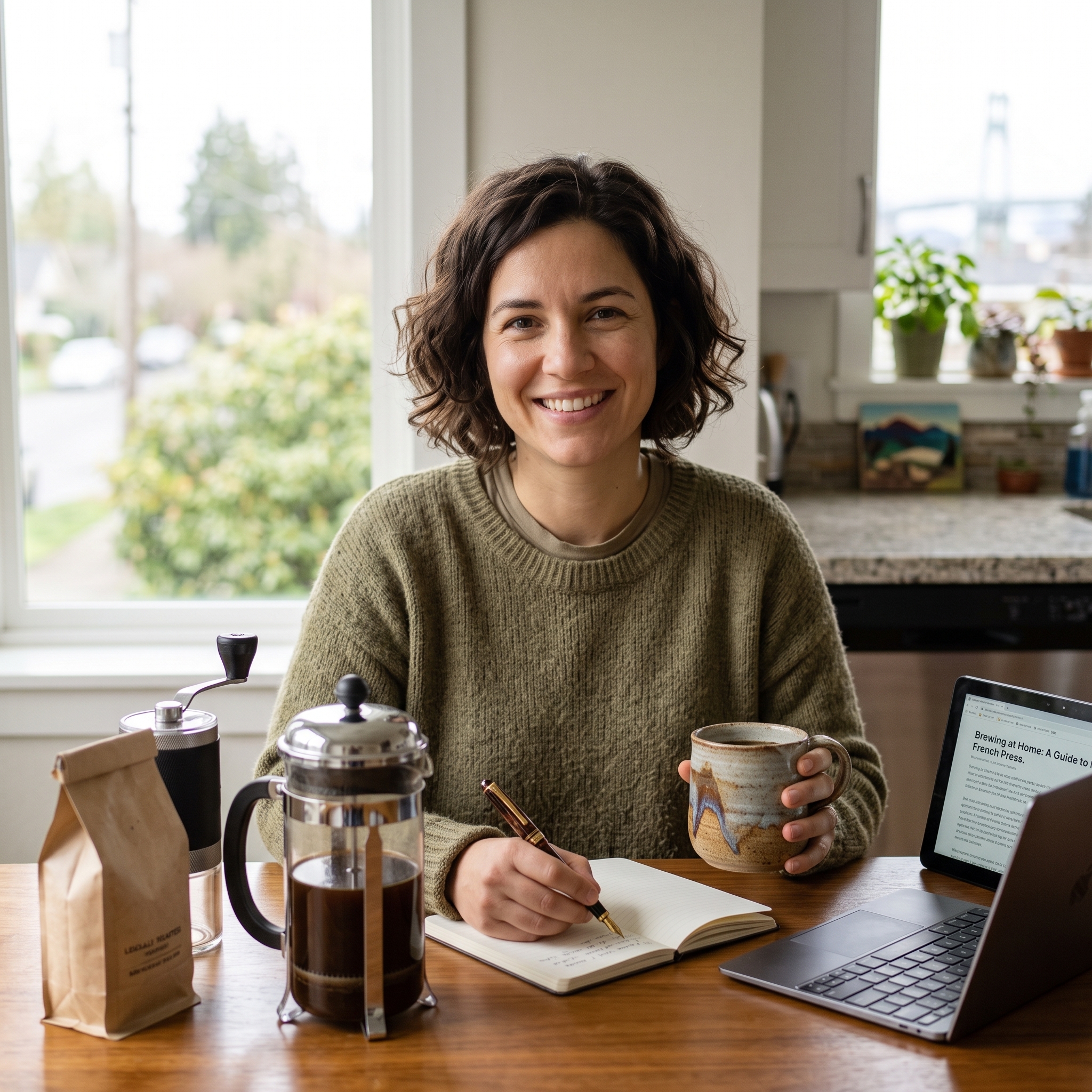
Maria Peixoto writes about making great coffee at home — no expensive machines, no barista jargon, just better cups every morning. Based in Portland, Oregon.