If your morning coffee has slowly started tasting bitter, sour, or faintly like a wet dishcloth, your beans probably aren’t the problem, your machine is. Learning to clean your coffee maker properly is the single cheapest upgrade to your daily cup, and most of it comes down to two enemies: old coffee oils and mineral scale.
The good news is that a thorough clean takes about 30 minutes, mostly hands-off, using things already in your kitchen. Here’s exactly how, and how often, to do it.
Why your coffee starts tasting off
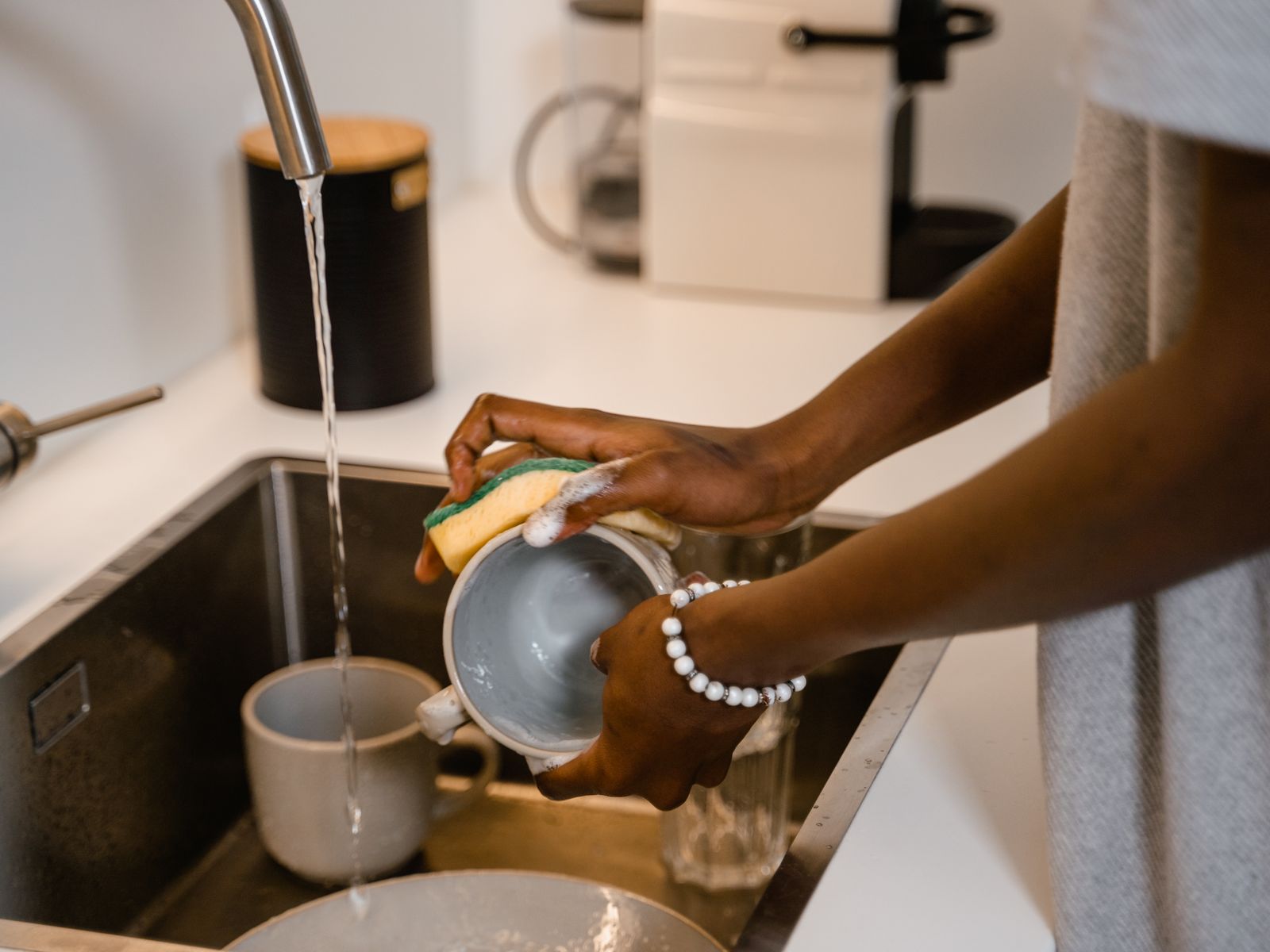
Two things build up inside any coffee maker. First, coffee oils cling to the carafe, basket, and internal tubing, then turn rancid and bitter over days and weeks.
Second, minerals from your water form limescale inside the machine, which slows the flow and lowers the brew temperature below the ideal 195°F to 205°F. Cooler water under-extracts and makes coffee taste weak and sour. Since your cup is about 98% water, both problems hit flavor hard, and it’s another reason water quality matters so much.
Daily and weekly cleaning basics
Most of the battle is won with small, consistent habits. After every brew, toss the grounds and rinse the basket and carafe with hot water; never let old grounds sit for hours.
Once a week, wash the removable parts, basket, carafe, lid, and permanent filter, in warm soapy water, then rinse well. This alone prevents most of the rancid-oil flavors that creep into a neglected machine.
How to descale your coffee maker
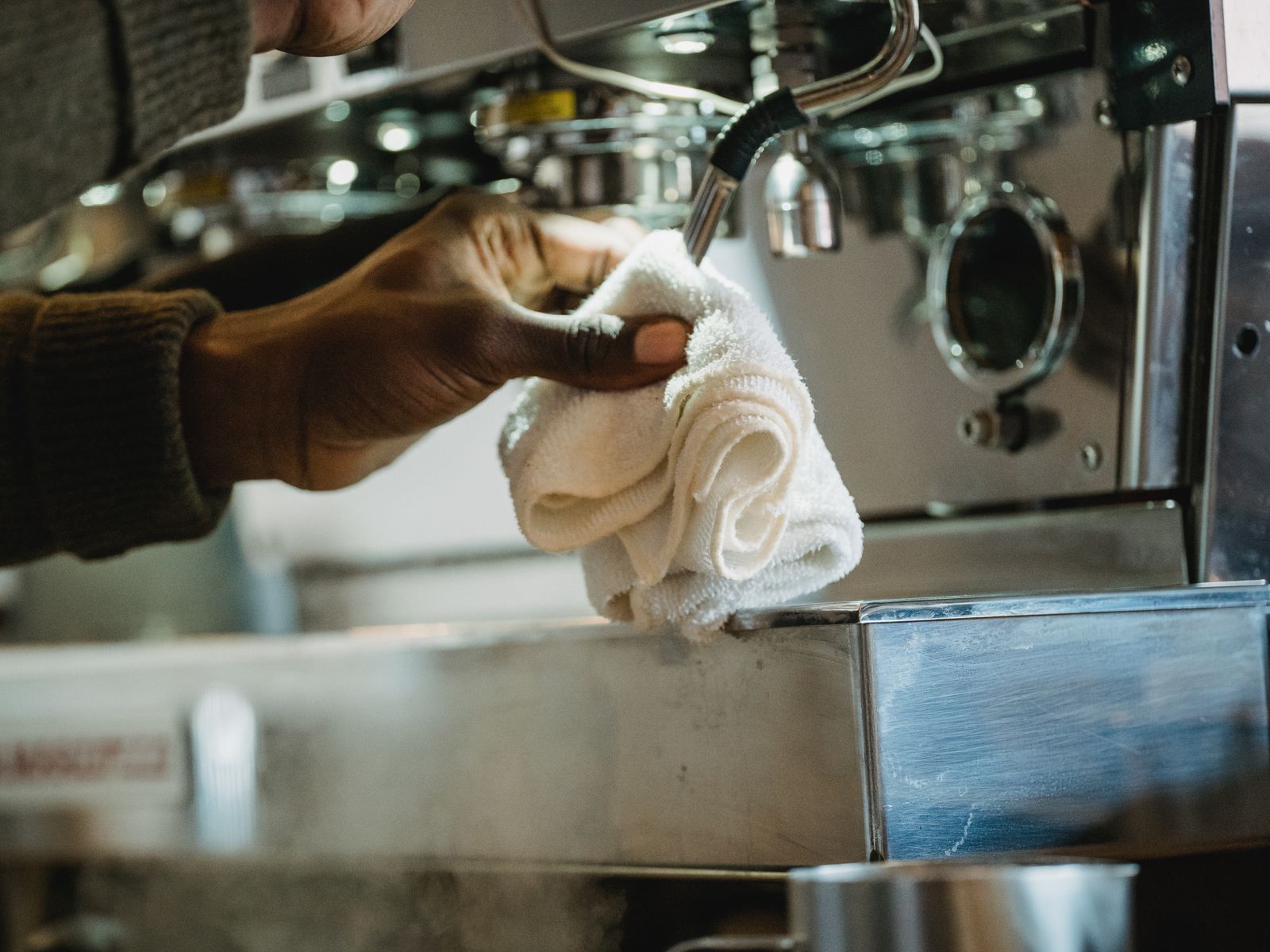
Descaling removes mineral buildup and should happen every 1 to 3 months, more often if you have hard water. White vinegar is the classic, budget-friendly descaler.
Here’s the simple process to clean your coffee maker’s internals:
- Fill the reservoir with a 1:1 mix of white vinegar and water.
- Run a half brew cycle, then pause for 30 to 60 minutes to let the solution work.
- Finish the brew cycle, then discard the vinegar solution.
- Run two to three full cycles with fresh water to rinse out any vinegar taste.
If you’d rather not use vinegar, a citric-acid solution (1 to 2 tablespoons per quart of water) works the same way and leaves less lingering smell.
Cleaning specific coffee makers
Drip machines
Follow the vinegar descale above, and don’t forget the reservoir and warming plate. For more on getting the best from a drip brewer, see our drip coffee maker tips.
French press and pour-over
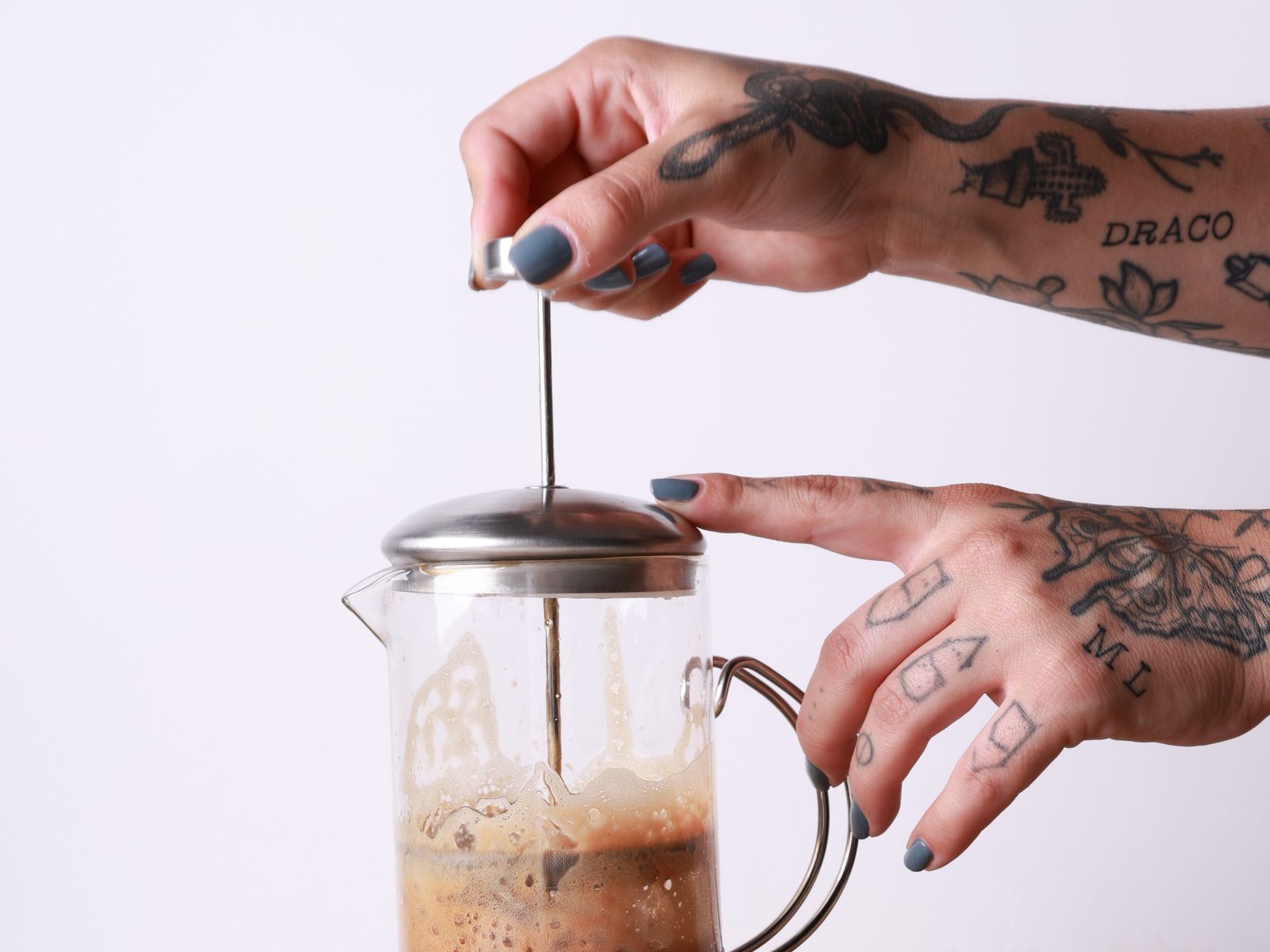
Disassemble the French press plunger fully and wash each screen; oils hide in the mesh. Rinse pour-over cones and metal filters thoroughly, and deep-clean metal parts with a baking-soda soak monthly.
Espresso and pod machines
These need regular descaling and backflushing per the manual. Pod machines especially collect residue in the needle and drip tray, so wipe them down weekly.
How often should you clean your coffee maker?
A simple schedule keeps flavor consistent without much effort. Rinse removable parts daily, wash them weekly, and descale every one to three months depending on water hardness and how often you brew.
If your coffee suddenly tastes off between cleanings, that’s your cue to descale early. The National Coffee Association recommends regular equipment cleaning as a core part of brewing good coffee at home.
Frequently asked questions
Can I use something other than vinegar to clean my coffee maker?
Yes. Citric acid and commercial descaling tablets both work well and leave less odor. Whatever you use, always run several plain-water cycles afterward to rinse.
How do I get rid of the vinegar smell?
Run two to three full cycles of fresh water through the machine after descaling. If a faint smell lingers, one more rinse cycle almost always clears it.
Is a dirty coffee maker actually unsafe?
Beyond bad flavor, a damp, uncleaned machine can grow mold and bacteria in the reservoir and tubing. Regular cleaning keeps it hygienic as well as better-tasting.
Your next step
Tonight, run one vinegar-and-water descale cycle and give the removable parts a proper wash. Then set a reminder to clean your coffee maker on a simple schedule. One session is usually enough to bring a stale, off-tasting brew right back to fresh.

Maria Peixoto writes about making great coffee at home — no expensive machines, no barista jargon, just better cups every morning. Based in Portland, Oregon.