You step up to the counter, and the menu lists a latte, a cappuccino, and a macchiato, all made from the same two ingredients: espresso and milk. Understanding latte vs cappuccino (and where the macchiato fits) comes down to one thing: the ratio of espresso to steamed milk to foam.
Once you can picture that ratio, you’ll order with confidence and make any of the three at home. Let’s break down each drink, side by side, with the exact proportions.
The one thing that separates every milk drink
All three drinks start with a shot or two of espresso, roughly 1 to 2 ounces. What changes is how much steamed milk and how much airy foam you add on top.
Think of it as a sliding scale. A macchiato is mostly espresso, a cappuccino is balanced, and a latte is mostly milk. That single idea is the key to the whole latte vs cappuccino question.
What is a latte?
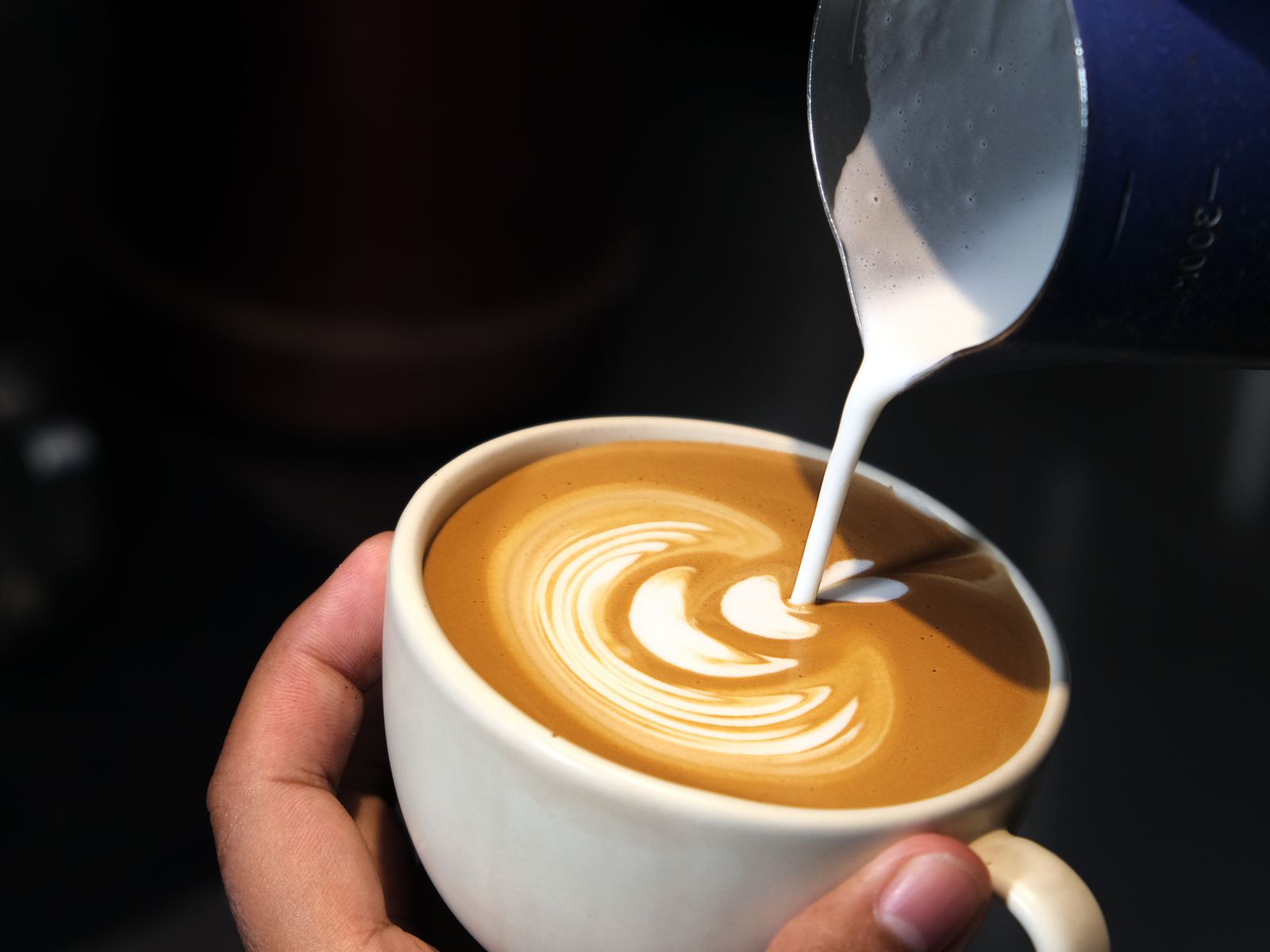
A latte is the milkiest of the three. It’s typically 1 to 2 ounces of espresso topped with about 8 to 10 ounces of steamed milk and just a thin layer of foam, around a quarter inch.
The result is mild, creamy, and comforting, with the espresso softened by all that milk. Because the milk-to-espresso ratio is high (roughly 5:1), lattes are the easiest canvas for latte art. If you want to steam milk that pours well, our guide to steaming milk for the perfect microfoam is the place to start.
What is a cappuccino?

A cappuccino is the balanced middle ground and the heart of the latte vs cappuccino comparison. The classic recipe is equal thirds: 1 to 2 ounces of espresso, an equal amount of steamed milk, and an equal amount of thick foam.
That generous foam cap makes a cappuccino feel lighter and taste more strongly of espresso than a latte. It’s served smaller, usually 5 to 6 ounces total, in a cup that shows off the domed foam.
What is a macchiato?
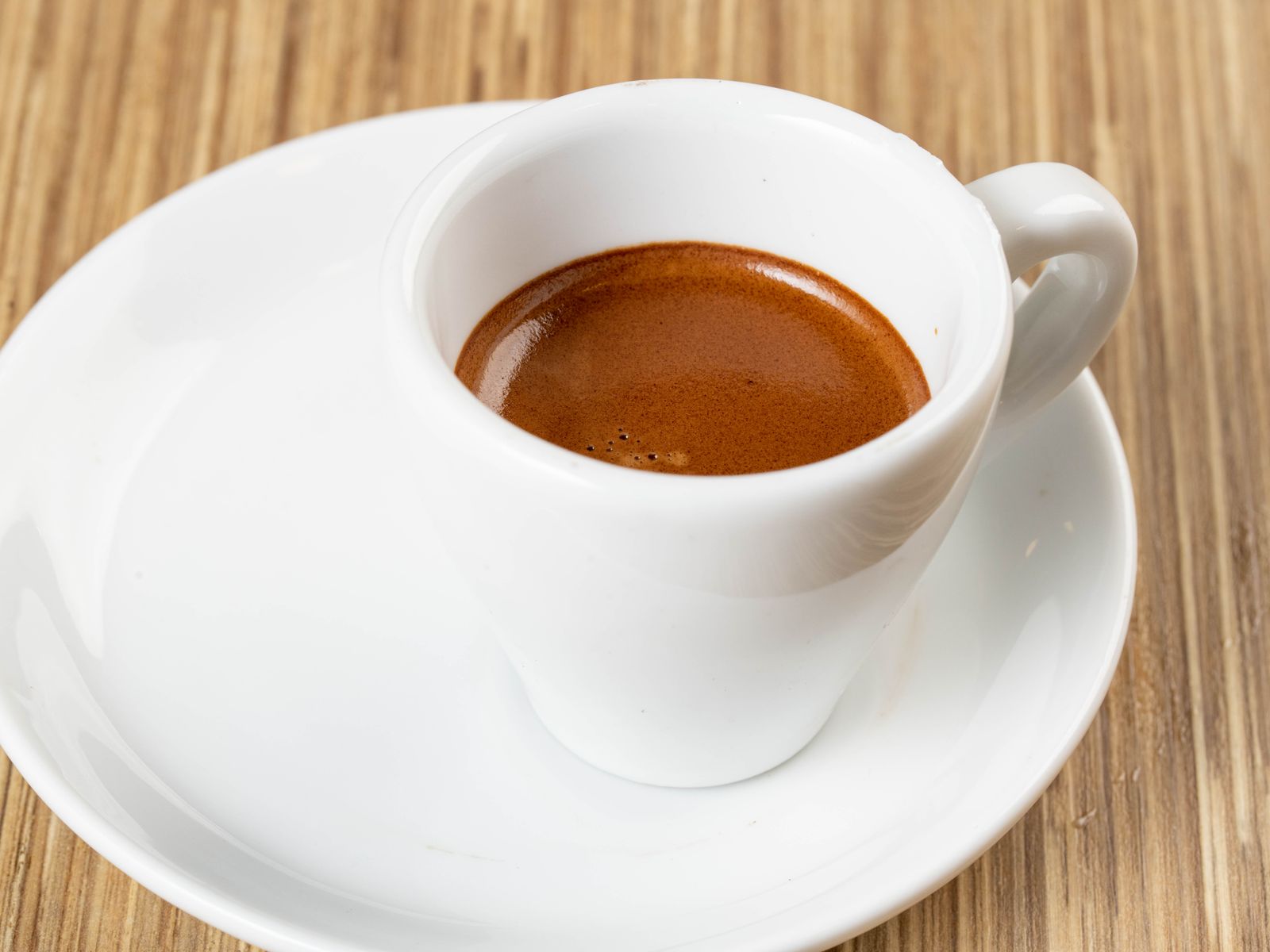
A traditional macchiato is the most espresso-forward of the three. “Macchiato” means “stained” or “marked” in Italian, because it’s just a shot of espresso marked with a small dollop of foamed milk.
It’s tiny, about 1.5 to 2 ounces total, and bold. Note that the large, sweet, syrupy “macchiatos” at big chains are a different drink entirely, closer to a flavored latte than the classic Italian version.
Latte vs cappuccino vs macchiato: a quick comparison
Here’s the whole thing at a glance, from most milk to least:
- Latte: 1-2 oz espresso, 8-10 oz steamed milk, thin foam. Mild and creamy. 10-12 oz total.
- Cappuccino: equal thirds espresso, steamed milk, and thick foam. Balanced and airy. 5-6 oz total.
- Macchiato: 1-2 oz espresso “marked” with a dollop of foam. Bold and small. 1.5-2 oz total.
A flat white, for the record, sits between a latte and a cappuccino: espresso with steamed milk and only a very thin microfoam layer. If that sounds like your drink, here’s how to make a flat white at home.
How to make each at home without a machine
You don’t need an espresso machine to enjoy these. Brew a strong, concentrated coffee base with a moka pot or AeroPress, then heat and froth your milk by hand.
For a latte, add lots of warm milk and a little foam. For a cappuccino, use less milk and pile on more foam. For a macchiato, just spoon a dollop of foam onto your strong coffee. Our guide to frothing milk without an espresso machine covers the jar-shake and handheld-frother methods.
Choosing the right drink for you
Pick based on how strong you like your coffee. Choose a latte if you want something mild, milky, and comforting; a cappuccino if you want balance with a stronger espresso flavor and airy foam; a macchiato if you love espresso and just want a touch of milk to soften it.
Milk choice matters too. Whole milk gives the richest texture and foam, while oat milk is the best plant-based option for steaming. The National Coffee Association has a helpful glossary if you want to explore other espresso drinks.
Frequently asked questions
Is a latte or cappuccino stronger?
With the same number of espresso shots, a cappuccino tastes stronger because it has far less milk to dilute the coffee. The latte vs cappuccino difference in strength is all about milk volume, not espresso amount.
Which has the most caffeine?
Caffeine depends on espresso shots, not milk. A single-shot latte and a single-shot cappuccino have about the same caffeine; the drink just tastes different because of the milk ratio.
Which is best for latte art?
Lattes and flat whites are best for pouring art because their silky microfoam blends smoothly. A traditional cappuccino’s thick, stiff foam is harder to pour detailed designs into.
Your next step
Next time you order or brew, picture the ratio: mostly milk for a latte, balanced with foam for a cappuccino, mostly espresso for a macchiato. Try making all three at home this week and taste the difference for yourself. Once the latte vs cappuccino logic clicks, the whole coffee menu opens up.

Maria Peixoto writes about making great coffee at home — no expensive machines, no barista jargon, just better cups every morning. Based in Portland, Oregon.