For years I assumed my drip machine was just a lesser way to make coffee, the appliance you tolerate rather than enjoy. Then I changed four small habits, and the same machine started producing coffee good enough that I stopped eyeing pricier gear entirely.
The truth is that most drip coffee tastes mediocre because of how we use the machine, not because of the machine itself. These drip coffee maker tips are the low-effort, mostly free changes that made the biggest difference in my cup, and they will do the same for yours.
Why Your Drip Coffee Tastes Flat
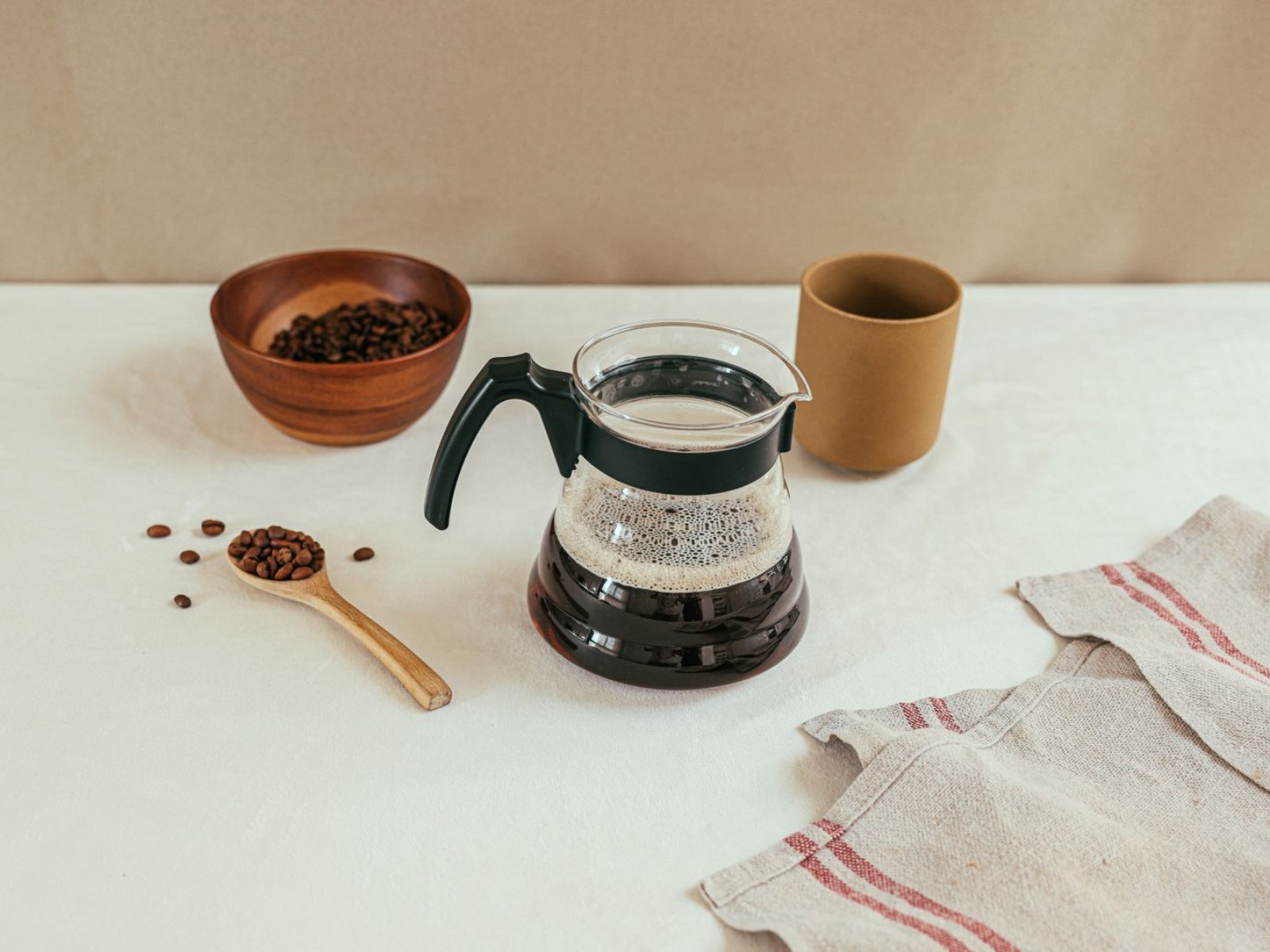
Before the fixes, it helps to know the usual suspects. Flat drip coffee almost always comes down to stale beans, the wrong ratio, a dirty machine, or water that is not hot enough. Automatic drip machines are convenient, but many brew slightly cooler than ideal, which quietly holds your coffee back.
The good news is that every one of these problems is fixable at home. The following drip coffee maker tips target each weak point in turn, and you can adopt them one at a time and taste the improvement as you go.
Think of it as tuning an instrument you already own. The machine has not changed, but the coffee it produces can go from forgettable to genuinely satisfying once you stop fighting these small, fixable weak points.
Tip 1: Use Fresh Beans and Grind Them Right
The single most powerful of all drip coffee maker tips is to start with fresh, properly ground coffee. Buy whole beans within a few weeks of their roast date and grind them to a medium, sand-like consistency just before brewing. Pre-ground coffee goes stale fast, losing aroma within minutes of grinding.
Storing those beans well protects your investment; my guide on storing coffee beans to keep them fresh covers the containers and habits that matter. If your grounds are too fine, drip coffee turns bitter; too coarse, and it tastes weak and watery.
Tip 2: Dial In the Coffee-to-Water Ratio
Most people underdose their drip machine, which is why the coffee tastes thin. Aim for a ratio around 1:16, roughly one gram of coffee for every 16 grams of water, and weigh both if you can. This is one of the drip coffee maker tips that instantly transforms a weak pot into a full-bodied one.
If you want to understand exactly how strength and ratio connect, my deep dive on the coffee-to-water ratio walks through the math for any pot size. Ignore the tiny scoop lines printed on the machine; they almost always call for too little coffee.
Tip 3: Mind Your Water Quality and Heat
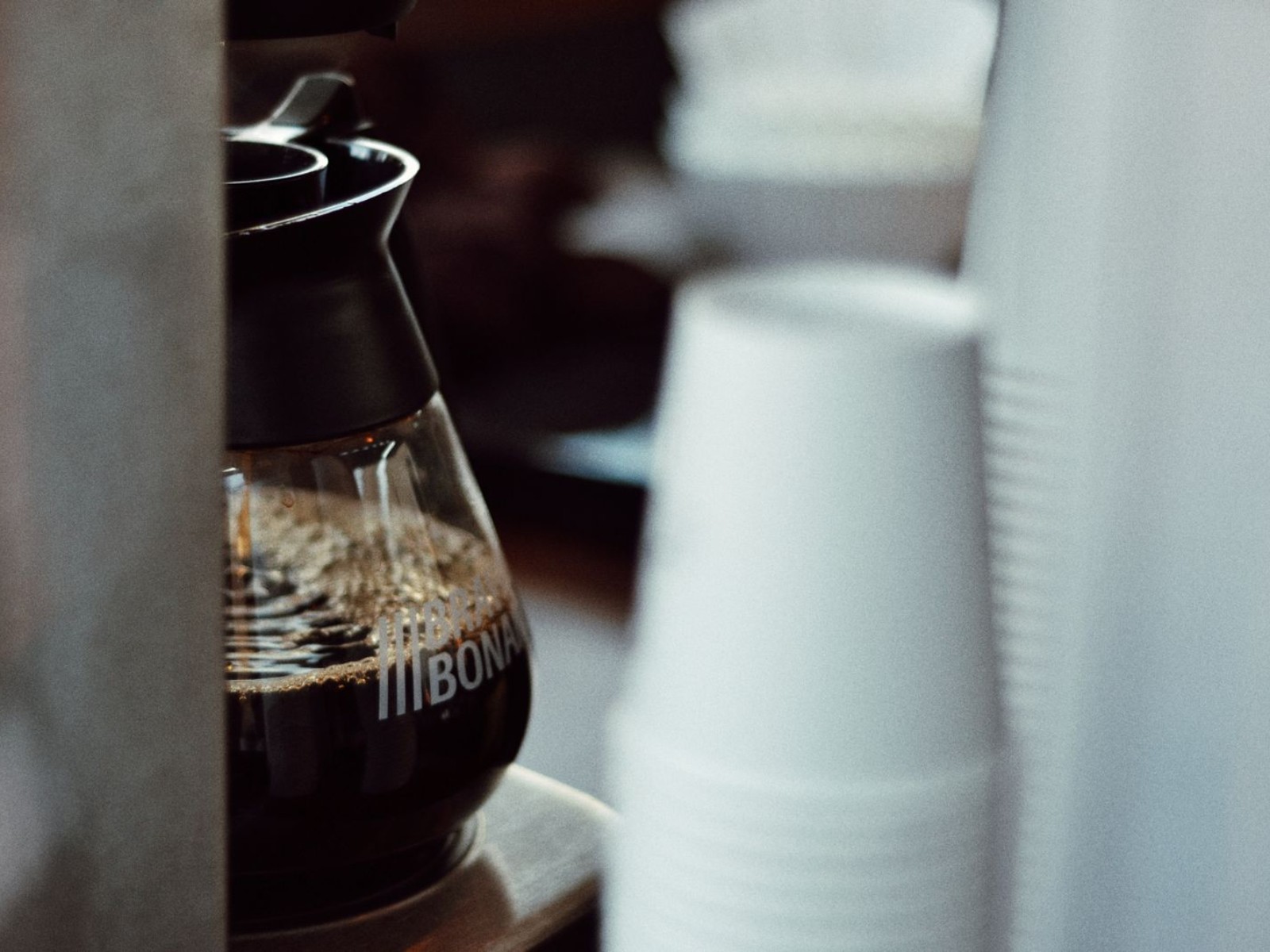
Brewed coffee is about 98 percent water, so bad water makes bad coffee. Use filtered water rather than hard tap water, which leaves mineral deposits and dulls flavor. This is among the most overlooked drip coffee maker tips, yet it changes the cup dramatically.
Temperature matters too. The Specialty Coffee Association recommends brewing water between roughly 195 and 205 F, and many budget machines fall short. If yours brews weak despite a good ratio, it may run cool, which is worth knowing before you blame your beans.
Tip 4: Clean the Machine Regularly
Old coffee oils and mineral scale build up inside a drip maker and turn every pot slightly rancid and bitter. Descale monthly by running a mix of equal parts white vinegar and water through a brew cycle, then two cycles of plain water to rinse. This is the cheapest of the drip coffee maker tips and the one most people skip.
Wash the carafe and basket after every use, not just when they look dirty. A clean machine brews hotter and tastes cleaner, and it lasts far longer before needing replacement.
Tip 5: Choose the Right Filter
Your filter shapes flavor more than you would expect. Cheap paper filters can add a papery taste, so rinse them with hot water before adding coffee. Higher-quality bleached or oxygen-cleaned filters brew cleaner, and a reusable metal filter lets more oils through for a fuller body.
Experiment to find your preference; it is one of those drip coffee maker tips that is genuinely a matter of taste. Just be sure the filter fits your basket properly, because a collapsed filter causes overflow and uneven extraction.
Tip 6: Serve It Fresh, Not Stewed
A hot plate slowly cooks your coffee, turning it bitter and burnt-tasting within 20 minutes. Decant the finished pot into an insulated carafe instead, or brew only what you will drink soon. This last of the drip coffee maker tips preserves all the flavor the others worked so hard to build.
If your current machine has a permanently-on hot plate you cannot control, that alone is a reason to consider an upgrade. My roundup of the best budget coffee makers for small kitchens highlights models that handle heat and freshness better.
Bonus: Bloom the Coffee First
Here is a trick that feels advanced but takes 30 seconds. Fresh coffee releases carbon dioxide when it first meets hot water, and that gas blocks even extraction. To bloom, pour a small splash of hot water over the grounds in the basket, wait 30 seconds, then start the normal cycle. Among these drip coffee maker tips, it is the one that most surprises people with how much richer the result tastes.
You can do this with a kettle on the side, or by pausing the machine mid-drip if yours allows it. The fresher your beans, the bigger the bloom and the more noticeable the improvement. It mimics what pour-over enthusiasts do by hand and brings some of that quality to an automatic brewer.
When Habits Beat New Gear
It is tempting to think a new machine will fix everything, but in most kitchens the habits matter more than the hardware. Applying these drip coffee maker tips to a basic $40 machine will usually beat a neglected $200 one running stale beans and hard water. Master the fundamentals first, and only then decide if your machine is truly the limiting factor.
That said, a few upgrades are worth it once your technique is dialed in. A machine with a stable high brew temperature, a thermal carafe instead of a hot plate, and a shower-head that wets grounds evenly will reward good habits with noticeably better coffee. Think of gear as the final 10 percent, not the first fix.
Put the Tips to Work
None of these drip coffee maker tips require new equipment, just a few better habits: fresh beans, a proper ratio, filtered hot water, a clean machine, a good filter, and fresh serving. Pick one to try with your next pot, then layer in the rest over the coming week. Your trusty drip machine has more to give than you think.
Maria Peixoto writes about making great coffee at home — no expensive machines, no barista jargon, just better cups every morning. Based in Portland, Oregon.