The first time I tried to pour a heart with almond milk, the foam collapsed into a sad beige puddle before the cup was even half full, and I nearly gave up on dairy-free latte art entirely. It turned out the milk was the problem, not my pour, and switching cartons changed everything overnight.
Not all plant milks foam the same way, and if you want crisp designs, the carton you choose matters as much as your technique. This guide ranks the best milk alternatives for latte art, explains why some froth beautifully and others flop, and shows how to get silky microfoam from any of them.
What Makes Milk Foam in the First Place
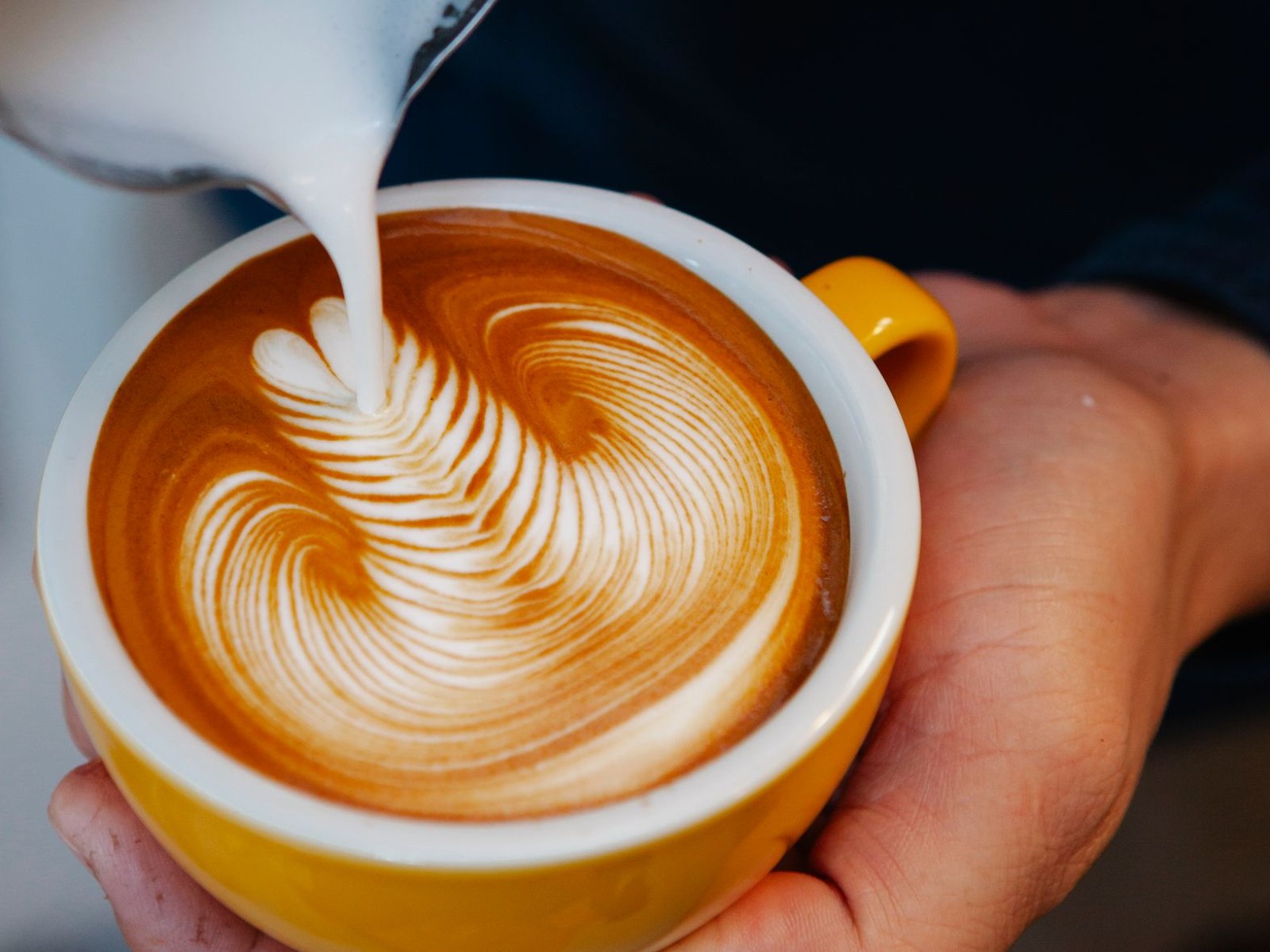
Foam is built from two things: protein and fat. Protein traps air into tiny stable bubbles, while fat gives the foam a smooth, glossy body that holds a design. Dairy milk foams so easily because it has plenty of both, which sets the bar every plant milk is trying to match.
This is the key to understanding milk alternatives for latte art: the ones that foam well are formulated to mimic that protein-and-fat balance. Many brands now sell a specific barista edition with added protein and stabilizers, and those versions perform dramatically better than the standard cartons.
Oat Milk: The Reliable Champion
Oat milk is the standout among milk alternatives for latte art, and it is what I reach for first. Barista oat milk foams into thick, stable microfoam with a natural sweetness that complements espresso, and it pours smoothly enough for hearts and rosettas.
The trick is buying the barista version rather than the thin drinking kind. Standard oat milk can foam decently, but the barista formula, usually a dollar or two more per carton, is engineered to steam and hold structure like dairy. For most home baristas, it is the closest dairy-free experience available.
Soy Milk: The Original Contender
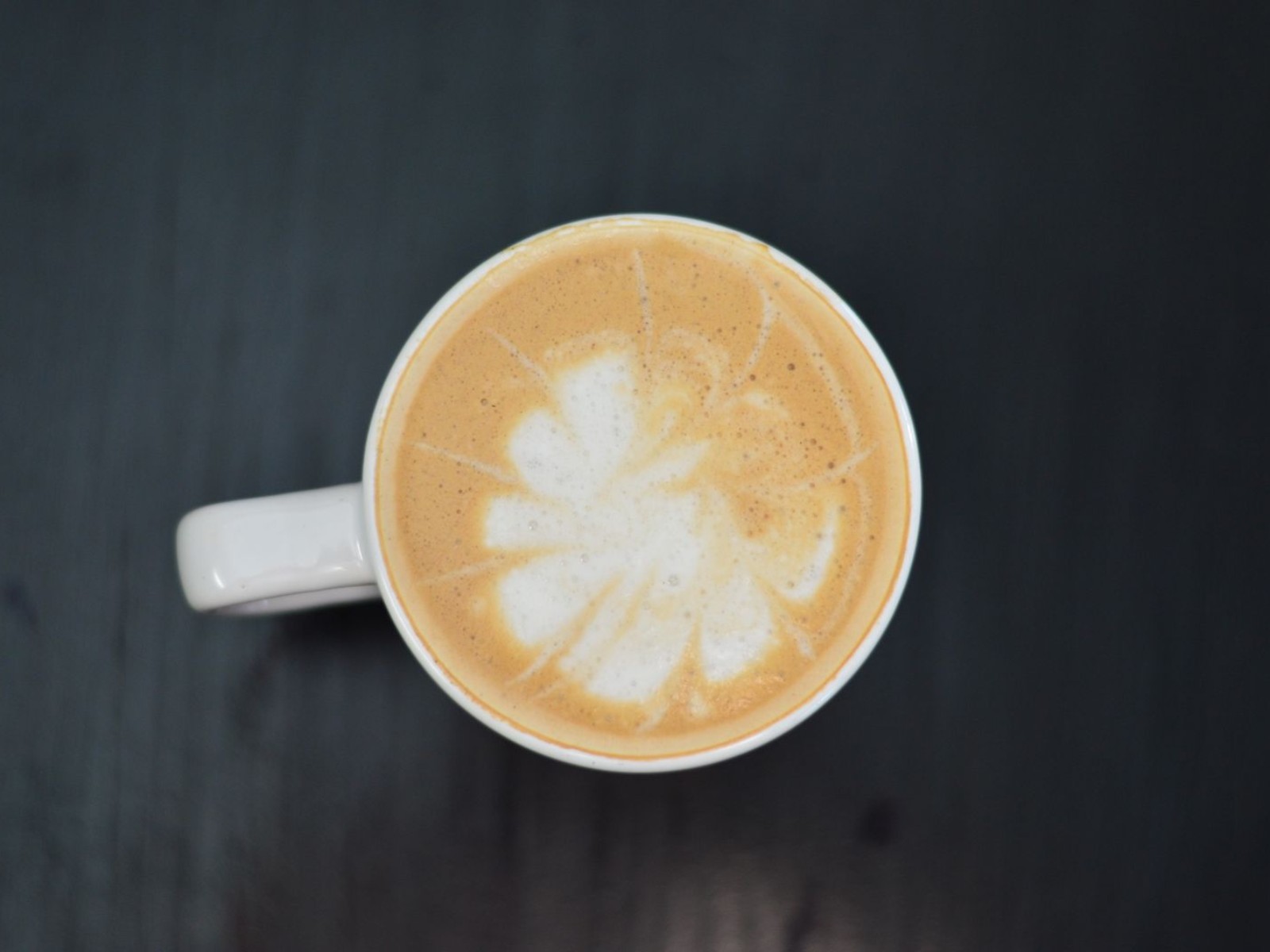
Soy milk was the first plant milk cafes trusted, and it still foams very well thanks to its high protein content. It produces dense, sturdy foam that beginners find forgiving, making it one of the more dependable milk alternatives for latte art.
Its one quirk is temperature sensitivity: overheated soy milk can curdle when it meets acidic espresso. Keep it under about 150 F and pour promptly, and you will avoid the split. The flavor is nuttier and beanier than oat, which some love and others do not.
Almond, Coconut, and the Trickier Ones
Almond, coconut, and rice milks are the harder members of the milk alternatives for latte art family. Standard almond milk is low in protein and fat, so it foams thin and airy with big bubbles that break down fast. Barista almond blends improve this, but rarely match oat or soy.
Here is a quick performance ranking to guide your shopping:
- Oat (barista): excellent foam, sweet, top pick
- Soy (barista): very good foam, watch the temperature
- Pea milk: surprisingly good, high protein
- Almond (barista): okay, thin but workable
- Coconut and rice: difficult, best for flat drinks
How to Froth Plant Milk at Home
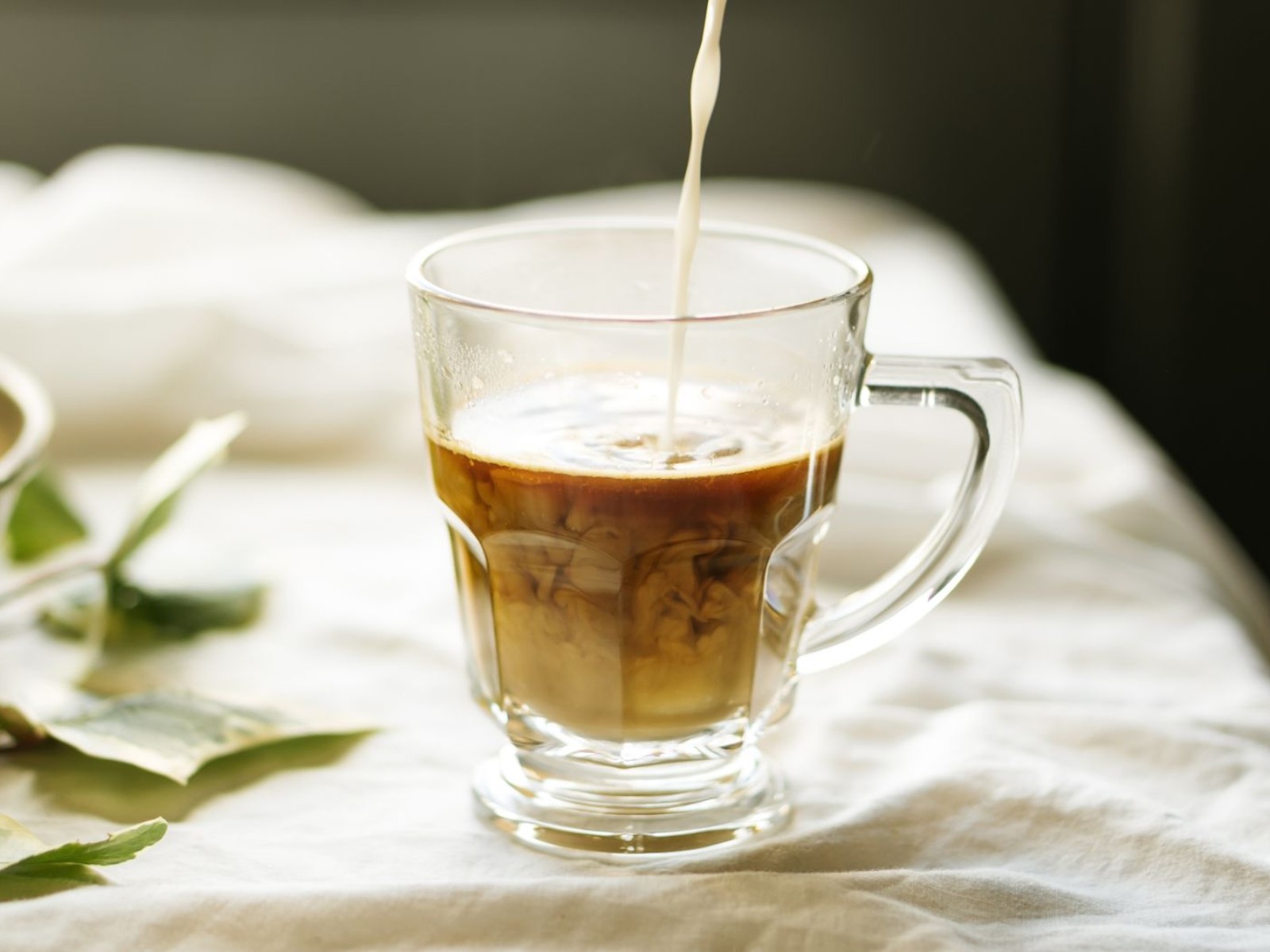
Great milk still needs decent technique. Whether you use a steam wand or a handheld frother, aim to introduce air early, then submerge the tip to create a whirlpool that folds the foam into silky microfoam. If you do not own an espresso machine, my guide to frothing milk without an espresso machine works just as well with plant milks.
Temperature is your friend. Steam or heat plant milk to around 140 to 150 F, cooler than you might for dairy, because plant proteins scorch and thin out when too hot. Once you nail the froth, dialing in the pour is the same skill as with dairy, covered in my walkthrough of steaming milk for the perfect microfoam.
It also helps to manage expectations. Even the best milk alternatives for latte art behave a little differently from dairy, so your first few pours after switching may look rough. That is normal, not a sign you have picked the wrong carton, and it usually smooths out within a handful of attempts.
Practicing Your Pour
Once you have foam that holds, the design is all in the pour. Start high to mix, then drop the pitcher close to the surface to let the white foam float and form a shape. If you are brand new to this, my beginner guide to pouring your first heart is the perfect place to build muscle memory with any milk.
Plant milks can behave slightly differently, so expect a short adjustment period when you switch cartons. According to the Specialty Coffee Association, milk texture is one of the defining skills of a barista, and that texture is very achievable at home with the right alternative.
Flavor and Sweetness Pairings
Foam is only half the story; taste seals the deal. Oat milk brings a gentle, cereal-like sweetness that flatters medium and dark roasts, which is part of why it tops most lists of milk alternatives for latte art. Soy leans nutty and can slightly mute a coffee’s brighter notes, so it shines with chocolatey espresso blends.
Coconut milk adds a tropical sweetness that can be lovely in an iced drink even when it struggles to foam. If you like your latte on the sweeter side, you may not need any added syrup at all with oat or coconut, which keeps both calories and cost down. Taste a plain steamed sample of each before committing to a favorite.
Buying and Storing Barista Milks
When shopping for milk alternatives for latte art, look for the words barista, professional, or extra creamy on the carton, and scan the label for at least 3 grams of protein per cup. Shake the carton well before every use, since plant milks separate more than dairy and settled cartons foam poorly.
Once opened, most refrigerated plant milks last about seven to ten days, and shelf-stable ones should go in the fridge after opening too. Cold milk foams better than lukewarm milk, so keep your carton properly chilled right up until you steam it. A well-chilled barista oat milk straight from the fridge is the easiest path to reliable microfoam.
Your Best Dairy-Free Pour
If you take one thing from this guide to milk alternatives for latte art, let it be this: buy a barista-formula oat or soy milk and half your battle is already won. Grab a carton this week, heat it gently, and practice a single heart. The foam that once collapsed will finally hold, and your dairy-free latte will look every bit as good as it tastes.

Maria Peixoto writes about making great coffee at home — no expensive machines, no barista jargon, just better cups every morning. Based in Portland, Oregon.