The first time I made dalgona coffee, I stood in my Portland kitchen whisking a little bowl of instant coffee by hand, absolutely certain it would never turn into that glossy, caramel-colored cloud everyone was posting online. Four minutes later it did, and I felt like I had discovered a tiny magic trick hiding in my pantry.
That is the joy of learning how to make dalgona coffee at home: it uses three cheap ingredients, needs no machine, and delivers a cafe-worthy drink for pennies. This guide walks you through the exact ratios, the whisking method, and the small fixes that turn a runny mess into a proud, spoon-standing foam.
What Dalgona Coffee Actually Is
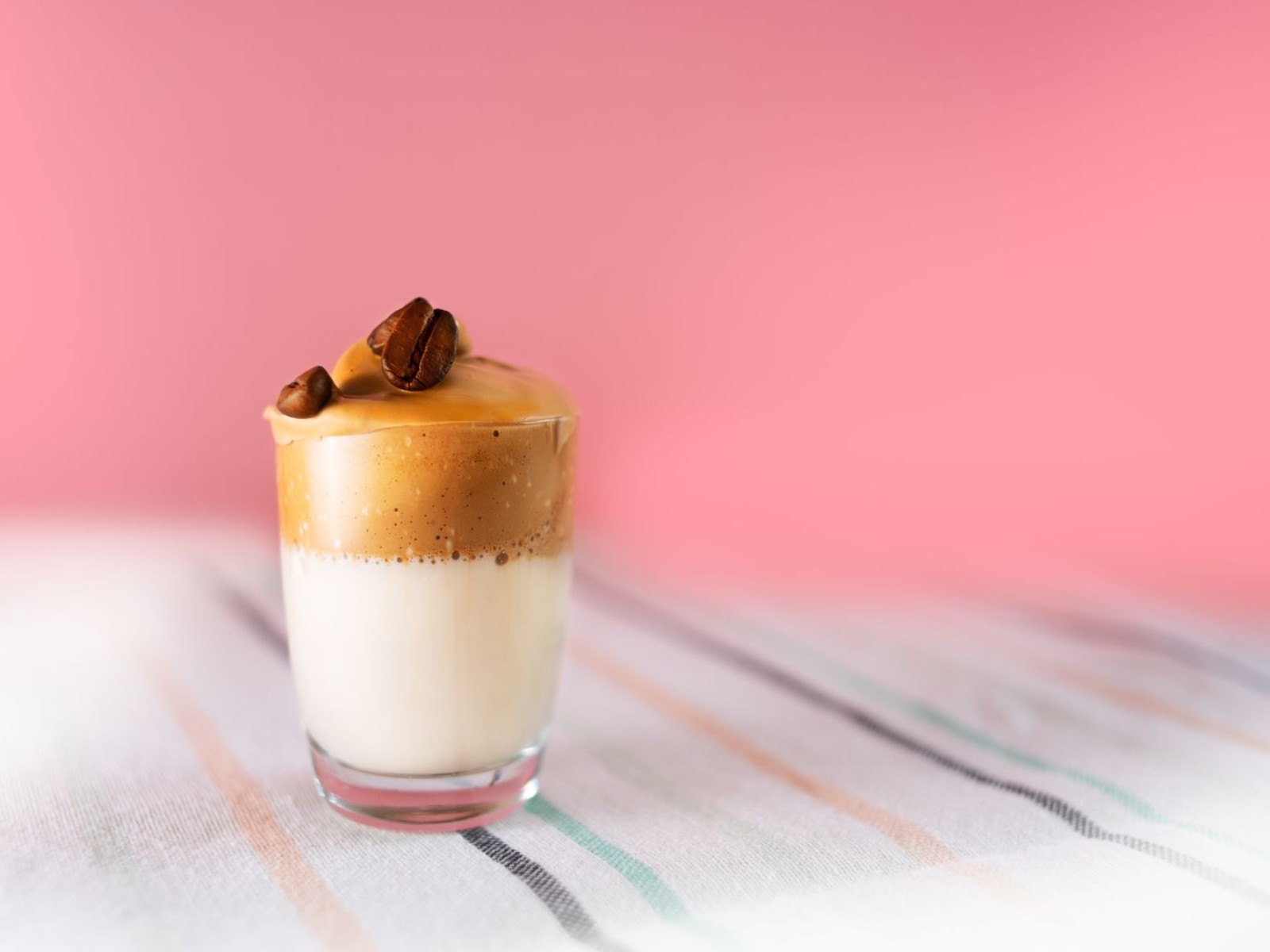
Dalgona coffee is a whipped coffee drink made by beating equal parts instant coffee, sugar, and hot water into a thick foam, then spooning that foam over cold or hot milk. It went viral in 2020, but the technique borrows from a much older Korean street candy called dalgona, which shares that same toasty, sweet character.
The reason this works and a regular cup of coffee does not is chemistry. Instant coffee is full of soluble compounds and tiny air-trapping proteins, so when you whip it with sugar and water, it holds air the way egg whites do. Fresh brewed coffee simply will not foam like this, which is the single most important thing to understand before you start.
The Ingredients and Ratio You Need
The golden rule for how to make dalgona coffee is a 1:1:1 ratio by volume. That means two tablespoons each of instant coffee, granulated sugar, and hot water for a single generous serving. Keep those three numbers equal and the foam almost always comes together.
- 2 tablespoons instant coffee (must be instant, not ground or brewed)
- 2 tablespoons granulated sugar (white sugar whips fastest)
- 2 tablespoons hot water (around 195 F, just off the boil)
- 1 cup milk of your choice, hot or over ice
Sugar is not optional here, at least not the first time. It stabilizes the foam and does most of the structural work. You can reduce it later once you understand the texture, but going sugar-free from the start usually leads to a sad, flat puddle. If you want a slightly less sweet cup, drop the sugar to one and a half tablespoons rather than cutting it entirely.
Step-by-Step: Whipping the Perfect Foam
Add the coffee, sugar, and hot water to a medium bowl. Using a larger bowl than you think you need gives your whisk room to pull in air, which is exactly what you want.
Whisk in one direction with steady, energetic strokes. By hand this takes about four to five minutes and roughly 400 strokes; with an electric hand mixer on medium it takes 90 seconds to two minutes. You will watch it move through three stages: thin and dark, then milky and light brown, then thick and glossy with soft peaks that hold their shape.
Stop when a spoonful of the foam holds a peak that gently folds over at the tip. Overwhipping is possible, so once it looks like softly whipped cream, you are done. Fill a glass with milk and ice, then spoon the whipped coffee on top in a fluffy dome.
Choosing Your Milk (Dairy and Non-Dairy)
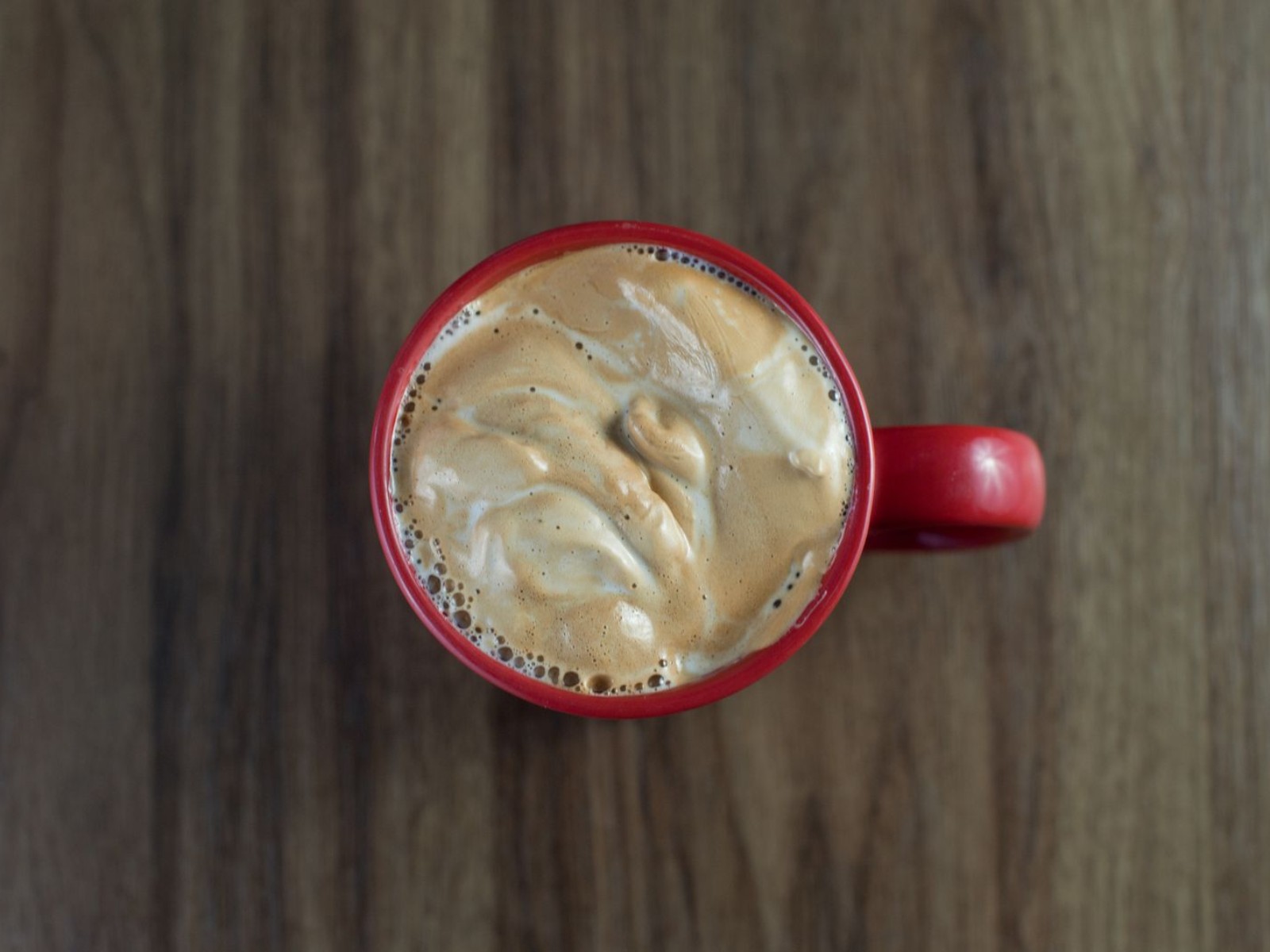
The foam is the star, but the milk carries it. Whole dairy milk gives the richest result, while oat milk is my favorite non-dairy option because its natural sweetness and body hold the foam beautifully. If you enjoy experimenting with textures, my notes on how to froth milk without an espresso machine pair nicely with this drink.
For an iced version, fill the glass two-thirds with cold milk and plenty of ice before adding the foam. For a warm version, gently heat the milk to about 150 F and spoon the foam over the top so it slowly melts down as you sip.
Common Problems and How to Fix Them
If your mixture stays liquid and refuses to thicken, the usual culprit is using brewed or ground coffee instead of instant. Only instant coffee has the soluble structure needed to trap air. Double-check the jar label before blaming your arm.
If it is foamy but thin, you likely used too much water or stopped whisking early. Add another half teaspoon of instant coffee and keep going. If the foam deflates quickly in the glass, your ratio was probably short on sugar, which is the ingredient that gives the foam its staying power.
Making It Without a Whisk or Mixer
No hand mixer and no desire to whisk for five minutes? You have options. A small mason jar with a tight lid works: add the three ingredients, seal it, and shake hard for two to three minutes until the mixture turns pale and thick. A milk frother wand, the same cheap handheld kind many people already own, will whip a single serving in under a minute.
A French press can also do the job. Add the coffee, sugar, and hot water to the carafe and pump the plunger up and down rapidly for about a minute until the foam builds. It is a clever trick if a press is the main brewing tool already sitting on your counter.
Fun Variations to Try Next
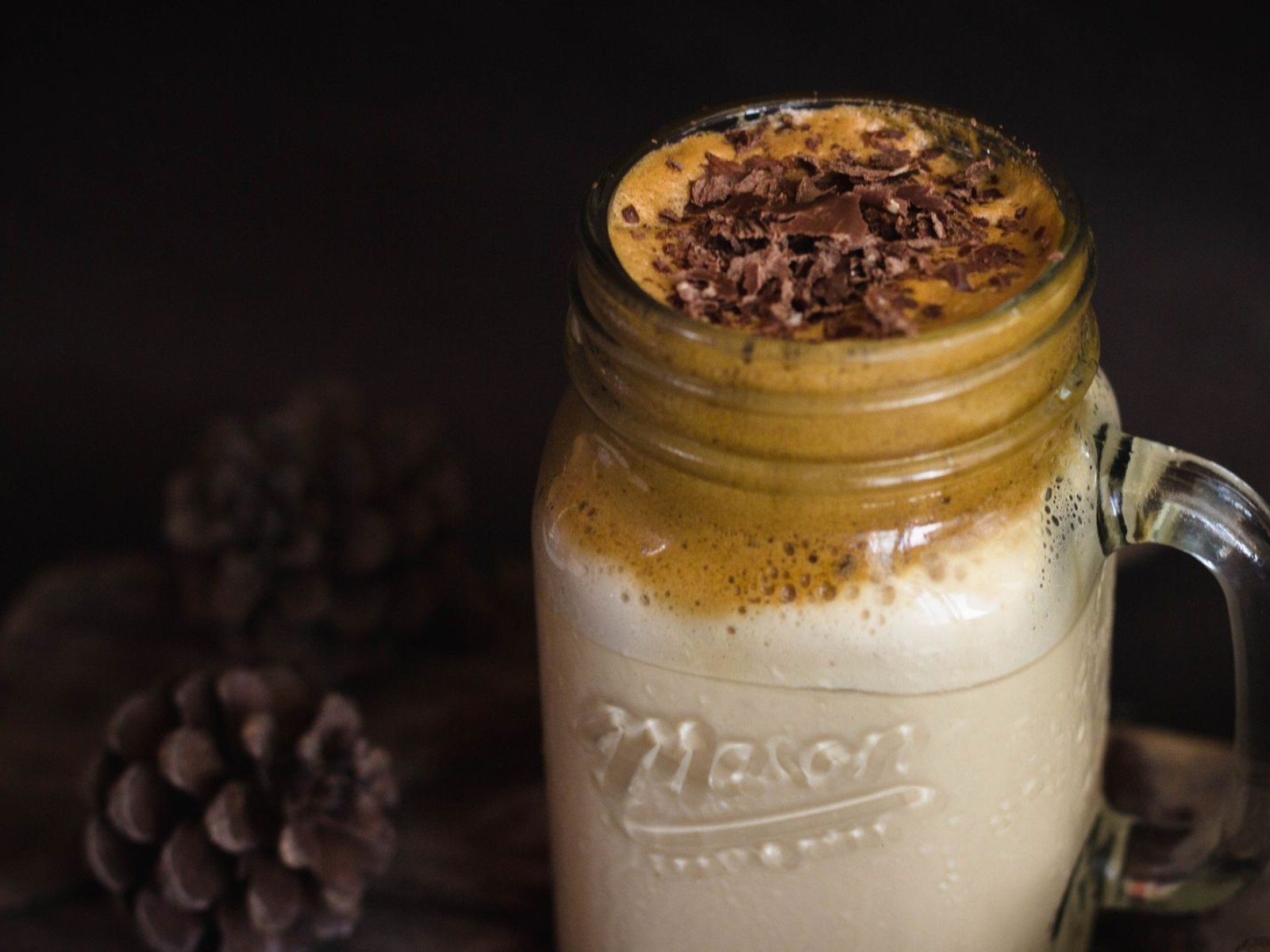
Once you nail the base, the drink becomes a playground. Whisk a pinch of cocoa powder into the foam for a mocha version, or add a drop of vanilla extract for a softer, dessert-like cup. A dusting of cinnamon on top costs nothing and makes it taste finished. For a summer treat, blend the whipped coffee straight into a milkshake or spoon it over vanilla ice cream.
If you love making cafe drinks on a budget, you will probably enjoy building a small repertoire, starting with my guide to making an iced latte at home for a fraction of cafe prices. And if you are still deciding which jar of beans or instant to keep on hand, the way you choose the right roast for your taste will shape the flavor of every whipped cup you make.
Instant coffee quality matters more than people expect. According to the National Coffee Association, instant coffee is simply brewed coffee that has had its water removed, so a better-quality jar genuinely tastes better in your foam.
Your Next Cup
Dalgona coffee is one of those rare recipes that looks impressive and forgives beginners at the same time. Measure equal parts, whisk with purpose, and stop at soft peaks, and you will have a glossy, cafe-style drink in under ten minutes. Tonight, pull out that dusty jar of instant coffee and give the 1:1:1 ratio one honest try; your morning routine may never look the same.

Maria Peixoto writes about making great coffee at home — no expensive machines, no barista jargon, just better cups every morning. Based in Portland, Oregon.